

BMW has never been shy about taking risks, but the new iX3 feels different. This is not just another electric SUV wearing a familiar badge. It is BMW essentially asking the market a very direct question: do you want this? And then building a car confident enough to wait for the answer.
Let’s break down what is actually going on with this car, why it matters, and what BMW is trying to prove with it.
The Neue Klasse Platform and Why It Actually Matters
To understand the iX3, you first need to understand the Neue Klasse. BMW announced its Neue Klasse platform a few years back as the foundation for its next generation of electric vehicles. The name itself is a deliberate callback to the original Neue Klasse cars of the 1960s, which saved BMW from bankruptcy and established the company’s identity as a driver-focused brand.
The parallel is intentional. BMW is betting that the Neue Klasse architecture does for its electric lineup what those 1960s sedans did for the whole brand: redefine what people expect from a BMW.
The platform is built around an 800-volt architecture. That number matters a lot in practical terms. Most electric cars today run on 400-volt systems. An 800-volt system can accept dramatically more power during fast charging, which means you spend less time standing next to a charger checking your phone.
BMW claims the new iX3 can add approximately 350 kilometers of range in just 10 minutes on a compatible high-power charger. That is not a number to gloss over. It changes the math on road trips entirely. A 10-minute charge stop is roughly the same time it takes to use the bathroom, grab a snack, and pay for it. You are not sacrificing time, you are just using it differently.
BMW Making Its Own Electrical Components
One thing BMW is unusually proud of with this car is the degree to which they built the electrical drivetrain in-house. This is a meaningful shift from earlier BMW electric vehicles, where the company leaned more heavily on external suppliers for key components.
Why does this matter to a buyer? In the short term, maybe it does not matter much. But over time, vertical integration tends to mean better software updates, tighter integration between hardware and software, faster iteration, and more control over the long-term support of the vehicle. It is the same reason people praise Apple’s integration of hardware and software over competitors who rely on third-party chips and operating systems.
BMW making most of the electrical part itself is a sign the company is genuinely serious about electric vehicles, not just checking a regulatory compliance box. Companies that outsource core technology are hedging. Companies that build core technology in-house are committing.
The Design: Neue Klasse Style on BMW’s Best-Selling SUV
Here is where things get genuinely interesting from a product strategy standpoint.
BMW did not debut the Neue Klasse aesthetic on an experimental concept or a low-volume halo car. They put it on the iX3, which is one of their best-selling SUVs globally. That is a calculated move. It is what military strategists sometimes call reconnaissance in force: you do not just send a scout to look around. You send a real fighting unit to probe the enemy’s defenses and find out what you are actually dealing with.
BMW is doing exactly that. They are wrapping their best-selling SUV format in the Neue Klasse design language and putting it in front of real buyers to see what happens. The feedback from sales numbers, configurator data, customer clinics, and resale values will directly inform how aggressively BMW rolls out this design to the rest of the lineup.
So what does the design actually look like?
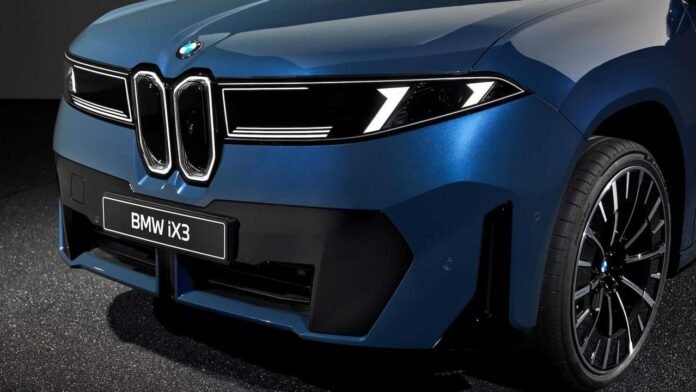
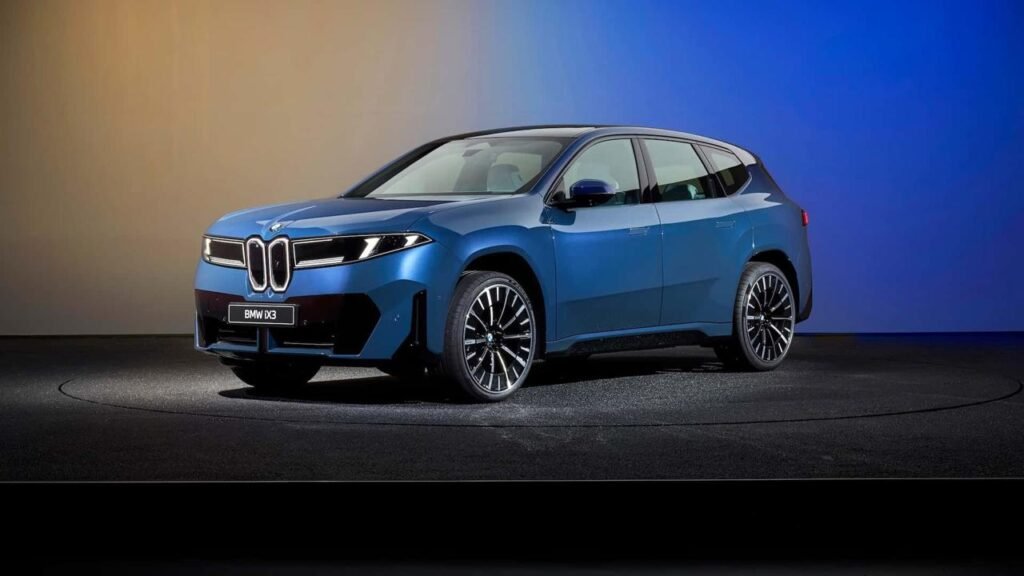
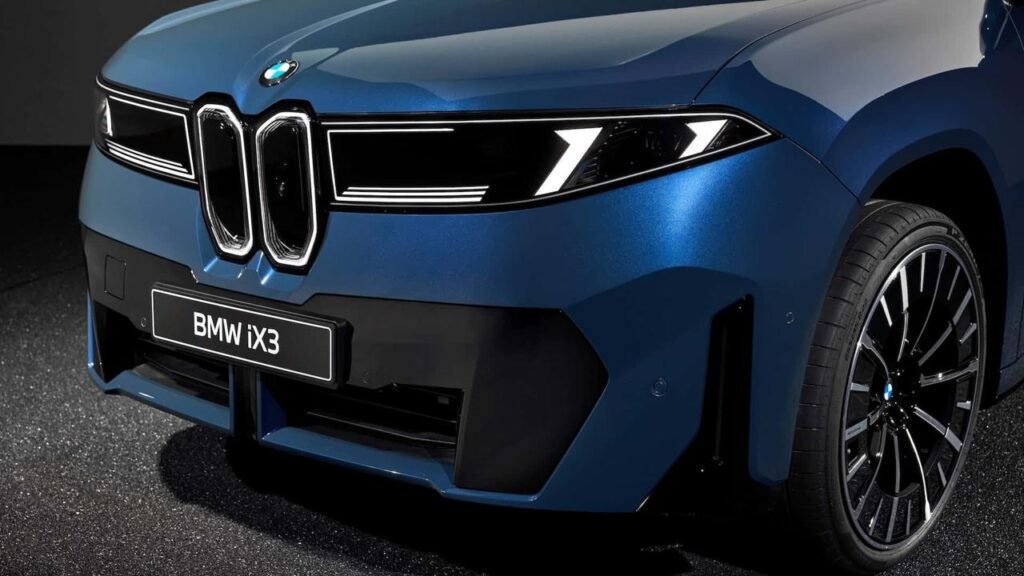
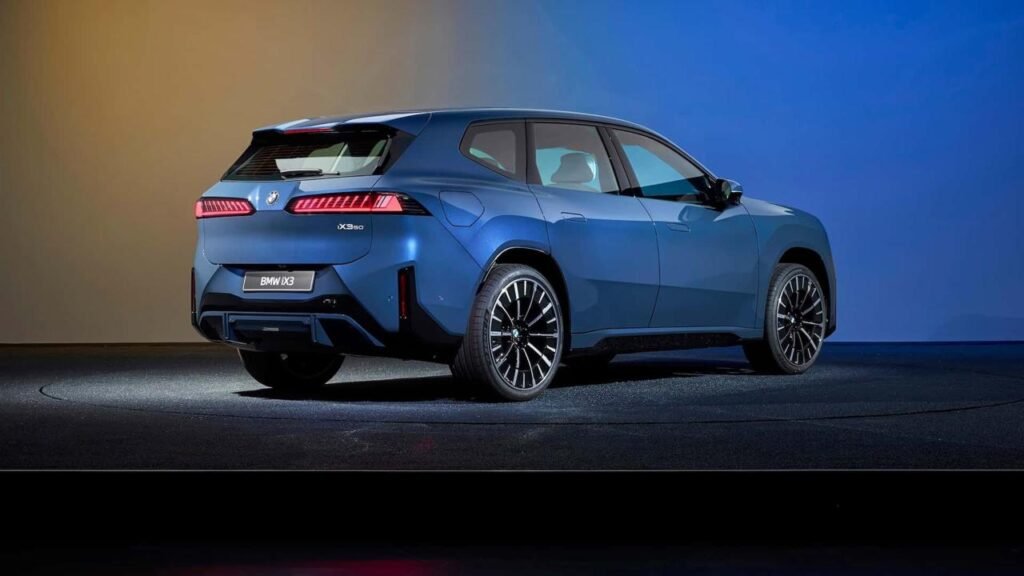
The Neue Klasse aesthetic is cleaner and more sculptural than recent BMW designs. It pulls back from the oversized kidney grille that generated so much controversy on models like the iX and the 4 Series. The proportions on the iX3 feel more balanced and intentional.
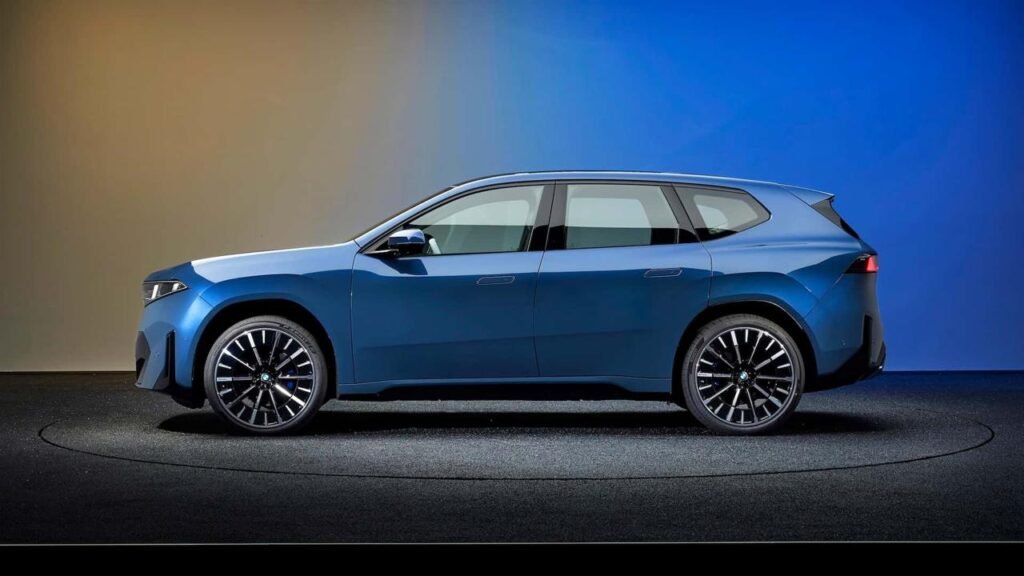
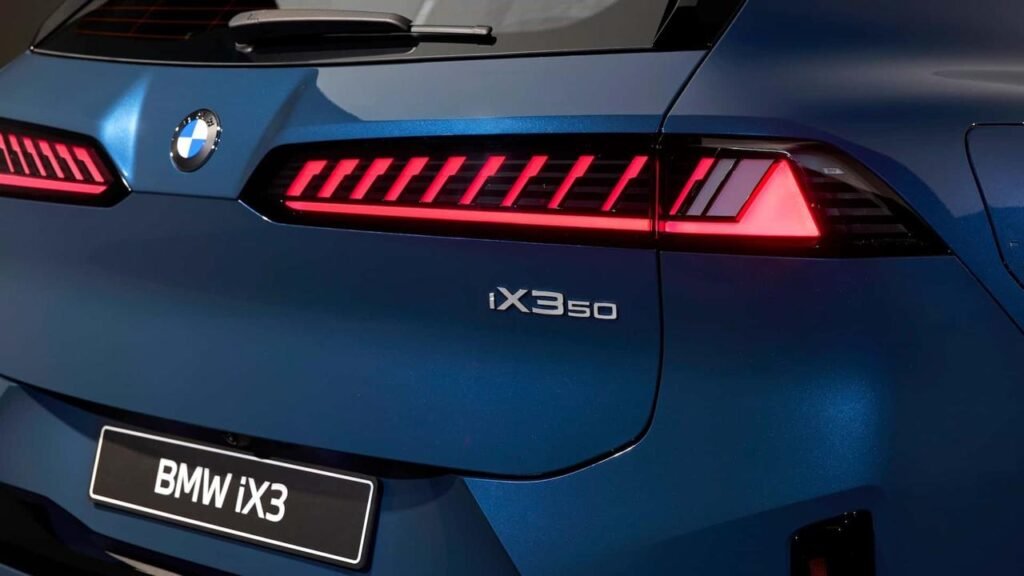
One of the more elegant design details is how the stamping that defines the character line of the 3 Series and 4 Series nose has been reinterpreted on the iX3. On those combustion engine cars, that pressed metal form creates the signature BMW “nostril” appearance at the front of the car. On the iX3, BMW has taken that same visual language and moved it toward the rear of the car, where it shapes the tail end and gives the car a visual connection to BMW’s broader design family without simply copying the front-end treatment.
It is the kind of design decision that rewards people who pay attention to these things. You can look at the rear of the iX3 and recognize the BMW DNA, but the execution is specific to this car and this platform.
Why the iX3 and Not Something Else?
BMW has other electric cars. The i4, the i5, the iX, the i7. Why use the iX3 as the test case for Neue Klasse?
The SUV segment is the largest and most competitive in the automotive market. If you want real market feedback, fast, you put your new ideas into the segment where the most buyers are. The iX3 competes against the Mercedes EQC, the Audi Q4 e-tron, the Volvo XC40 Recharge, the Hyundai IONIQ 5, and a growing list of other electric SUVs. If the Neue Klasse design and platform can hold its own in this fight, it can hold its own anywhere.
There is also a practical argument. The iX3 buyer tends to be someone already comfortable with the BMW brand who wants practical electric mobility without compromising on interior quality or driving feel. They are not necessarily early adopters willing to forgive rough edges. They want a proper car that happens to be electric.
If BMW can satisfy that buyer with the Neue Klasse platform, the platform is probably ready for the full lineup.
Charging Infrastructure and the 800-Volt Promise
The 800-volt architecture is worth spending more time on because it is central to the ownership experience of this car.
Most public charging networks have continued expanding their highest-power chargers. Networks like Ionity in Europe and Electrify America in the US have been deploying 350-kilowatt capable chargers for several years now. Until recently, most electric vehicles could not actually use that full power. They could accept maybe 150 or 200 kilowatts.
An 800-volt vehicle with a high enough charge acceptance rate can actually use those 350-kilowatt chargers close to their rated capacity. The result is charging speeds that genuinely compete with the time it takes to fill a petrol tank on a long drive, especially when you factor in that you almost never arrive at a charger with an empty battery.
BMW’s claim of 350 kilometers in 10 minutes assumes ideal conditions: a high-power charger that is working properly, a battery that is not too hot or too cold, and a charge level starting from a low state. Real-world numbers will vary. But the ceiling is meaningfully higher than what previous BMW electric vehicles offered, and that ceiling matters for long-distance driving confidence.
The Competitive Landscape
BMW is not alone in moving to 800-volt architectures. Hyundai and Kia were early adopters with the IONIQ 5, IONIQ 6, and EV6. Porsche and Audi have offered 800-volt charging on the Taycan and e-tron GT. Mercedes is rolling it out. Rivian has committed to it.
What this means is that 800 volts is becoming the expected standard for premium electric vehicles. BMW arriving with the Neue Klasse iX3 is not ahead of the curve exactly, but it is solidly in the pack of serious players rather than trailing behind.
Where BMW can differentiate is in the integration of the electrical system with the driving dynamics. BMW’s combustion engine cars are still regarded by many driving enthusiasts as some of the best-handling vehicles in their respective segments. If BMW can translate even a portion of that character into the iX3’s driving feel through software, motor calibration, and chassis tuning, it has something that a lot of competitors do not.
Interior and Technology
BMW has not fully detailed the interior specifications for the Neue Klasse iX3 at the time of writing, but the direction is clear from what has been shown in concept form.
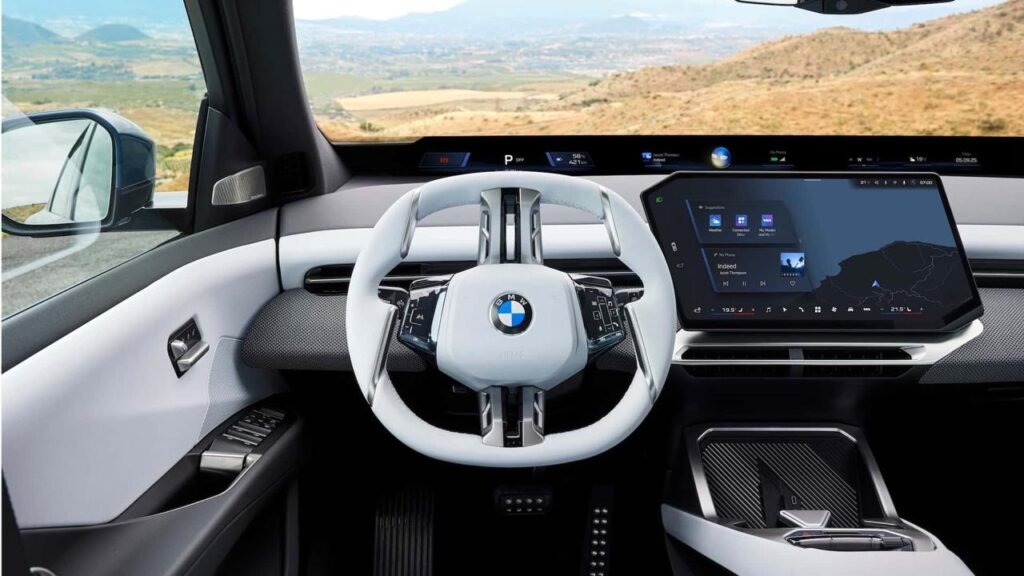
The Neue Klasse interior philosophy moves away from screen maximalism. Instead of mounting a tablet-sized screen horizontally across the dashboard, BMW is working with a more integrated approach where digital surfaces blend into the physical structure of the cabin. The idea is that the technology serves the driver rather than announces itself.
This is a direct response to feedback BMW has been getting from customers about recent interiors. Some of the curved screen setups in current BMW models are visually striking but require taking your eyes further off the road than traditional instrument placements. The Neue Klasse approach tries to keep information closer to the driver’s sightline.
What This Car Says About BMW’s Direction
BMW in the early 2020s was sending mixed signals. The company was expanding its electric lineup while simultaneously committing to internal combustion engines for longer than most German competitors. Some critics read this as hedging. Others read it as pragmatism.
The Neue Klasse platform, and specifically the decision to launch it on a high-volume product like the iX3, suggests BMW has settled on a clearer direction. They are building genuine electric infrastructure: proprietary electrical components, 800-volt architecture, a design language built from scratch for electric vehicles rather than adapted from combustion designs.
The iX3 is the first real test of whether that direction lands with buyers. BMW has essentially said: here is what we think a BMW electric vehicle should look like, feel like, and charge like. Now you tell us what you think.
Pricing and Availability
Specific pricing for the Neue Klasse iX3 had not been officially announced at the time of publication, and availability timelines vary by market. BMW has indicated production ramp-up aligned with their Neue Klasse rollout schedule, which targets 2025 and 2026 for initial availability in key markets.
Given the positioning as a volume product rather than a niche offering, pricing is expected to be competitive within the premium electric SUV segment. That means likely starting in the 60,000 to 75,000 Euro range in European markets, with equivalent pricing in other regions adjusted for local taxes and incentives.
Check with your local BMW dealer or the official BMW website for the most current availability and pricing information in your market.
Final Thoughts
The BMW iX3 in Neue Klasse form is a genuinely significant car, not because it does something completely unprecedented, but because of what BMW is saying with it.
This is BMW committing to a direction. Building its own electrical components rather than outsourcing them. Adopting 800-volt architecture so charging stops actually fit into real people’s lives. Using a design language that connects to BMW’s history without borrowing from combustion-era styling.
And doing all of this on the model that sells the most, in the segment with the most competition, with real buyers who will form real opinions.
That is not a cautious strategy. That is a company that has decided it knows what a BMW electric vehicle should be and is willing to find out whether the market agrees.
For buyers considering a premium electric SUV, the Neue Klasse iX3 is worth watching closely. It may well end up being the car that shows what BMW is actually capable of in the electric era

