
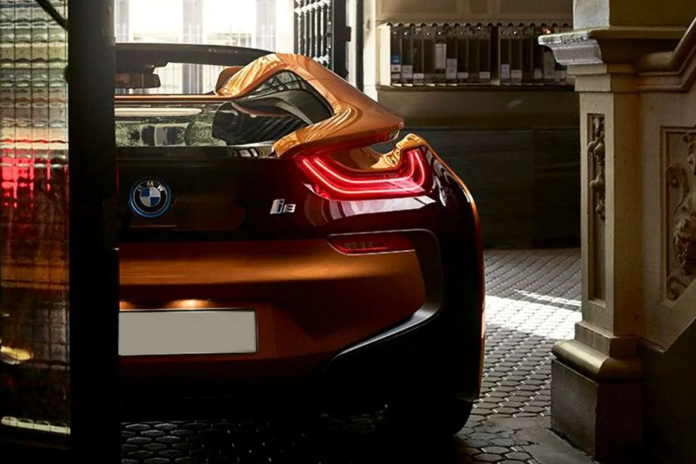

If you’ve ever been stopped at a traffic light and noticed a car that looked like it drove off a film set, there’s a good chance it was a BMW i8. Low to the ground, with doors that swing upward like wings and a body that seems carved out of science fiction, the i8 is one of those cars that makes people reach for their phones even when it’s just sitting still.
But beyond the looks, there’s a genuinely interesting car here. One that combined a small turbocharged engine with electric motors, wrapped everything in carbon fiber and aluminum, and still managed to get close to 30 miles on electric power alone. It was BMW’s attempt to show that performance and efficiency didn’t have to be enemies. For the most part, they succeeded.
This article covers everything worth knowing about the BMW i8: its history, specs, what it’s like to live with, what went wrong, and why it still commands serious attention in the used car market.
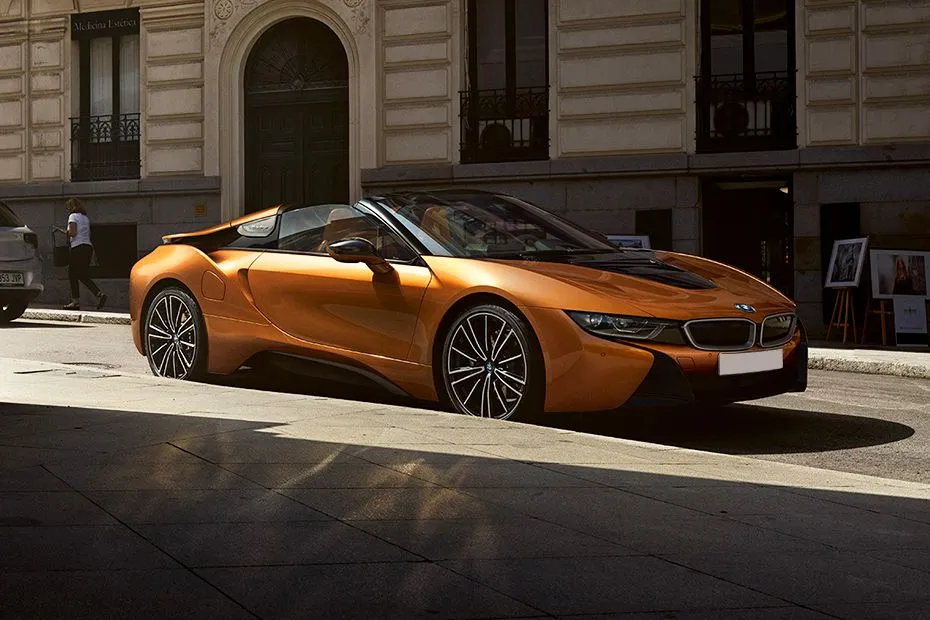
What Exactly Is the BMW i8?
The BMW i8 is a plug-in hybrid sports car. It uses a combination of a 1.5-liter turbocharged three-cylinder petrol engine and one or two electric motors, depending on the variant, to produce a total system output that puts it firmly in sports car territory.
BMW introduced the i8 as part of its “i” sub-brand, which was created to explore electrified mobility. The “i” lineup launched alongside the i3 city car, but the i8 was always the halo vehicle. The one meant to prove that going electric-adjacent didn’t mean giving up everything people loved about driving.
Production ran from 2014 to 2020, and during that time BMW sold just over 20,000 units globally. By sports car standards, that’s a fairly modest number, which is part of why the car has held its value so well.
The History: From Concept to Production
BMW showed the world a concept version of the i8 back in 2011 under the name “Vision EfficientDynamics.” It was stunning then, and the production version that followed retained almost everything that made the concept special. In an industry where production cars usually water down concept designs heavily, the i8 was a rare exception.
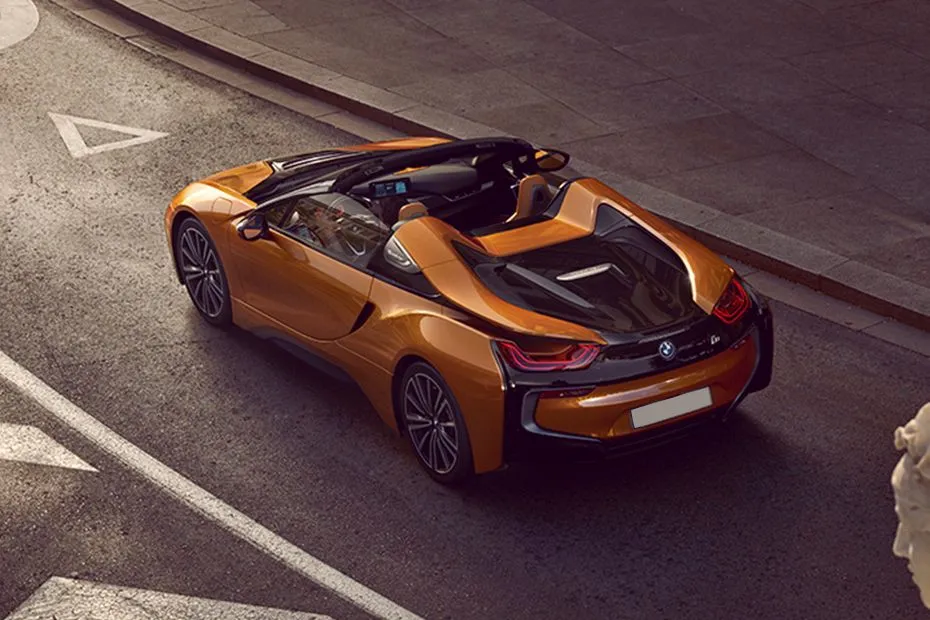
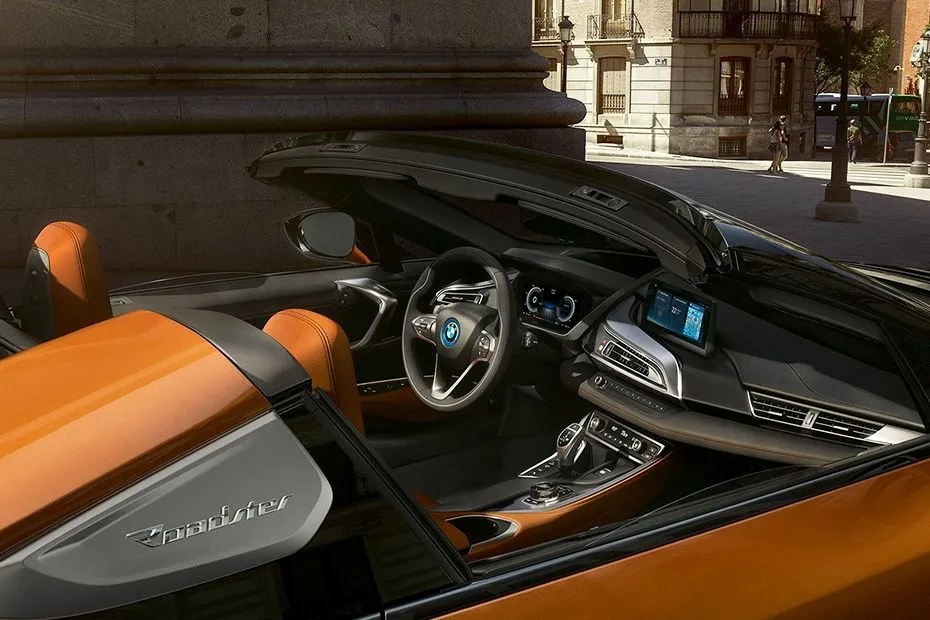
The car officially went on sale in 2014 and received its first meaningful update in 2018. That update brought more electric range, a revised interior, and introduced the Roadster variant, which dropped the roof and added more electric power to the front axle.
BMW quietly ended production in April 2020. They didn’t make a big announcement. The last cars rolled off the line in Leipzig, and that was it.
BMW i8 Specifications
Here’s a breakdown of the main specs for the coupe, both in its original form and after the 2018 update.
2014-2017 BMW i8 Coupe:
- Engine: 1.5-liter turbocharged inline-three, 231 hp
- Electric motor: 131 hp, driving the front axle
- Combined system power: 357 hp
- Combined torque: 420 lb-ft
- 0-60 mph: approximately 4.2 seconds
- Top speed: 155 mph (electronically limited)
- Electric range: approximately 15-22 miles (EPA rated at 15 miles)
- Fuel economy (hybrid): around 28 mpg combined
2019-2020 BMW i8 Coupe (updated):
- Engine: Same 1.5-liter turbo, now 228 hp
- Electric motor: 141 hp
- Combined system power: 369 hp
- Electric range: approximately 18 miles EPA
- Battery: 11.6 kWh (up from 7.1 kWh)
2019-2020 BMW i8 Roadster:
- Combined system power: 369 hp
- Additional electric motor on front axle compared to original coupe
- Electric range: approximately 18 miles
- Weight: slightly heavier than the coupe due to reinforced structure
The three-cylinder engine is not a mistake. BMW chose it specifically for its compact size and low weight, and they tuned it to produce a usable powerband. It sounds better than you’d expect, though it’s no V8.
The Design: Why It Still Looks Like the Future
A decade is a long time in car design. Most cars from 2014 look dated now. The i8 does not.
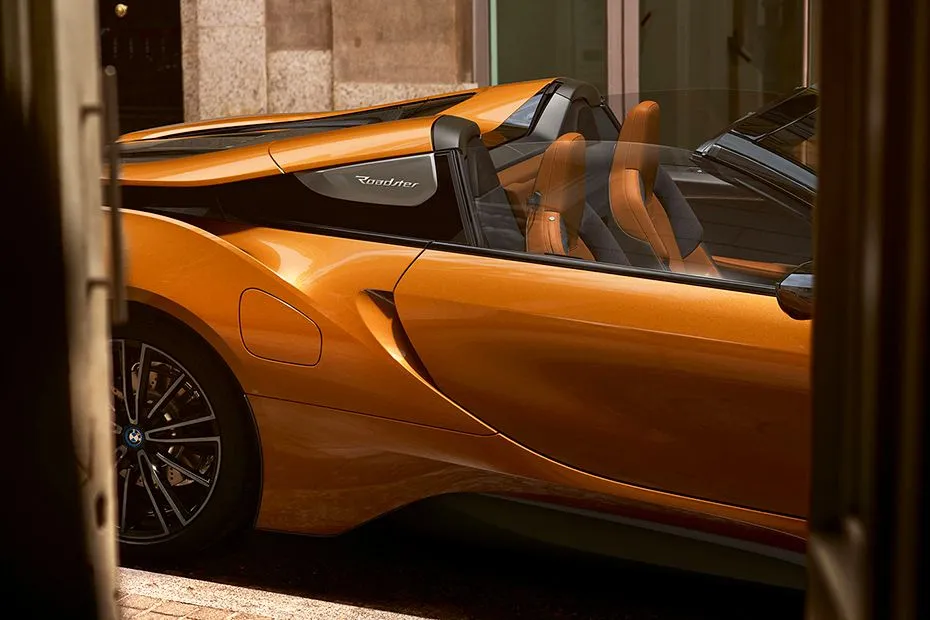
The body is built around a passenger cell made from carbon fiber reinforced plastic (CFRP), with aluminum used for the front and rear sections. This construction approach, called LifeDrive, was borrowed from BMW’s racing experience and helped keep weight in check despite the heavy battery pack.
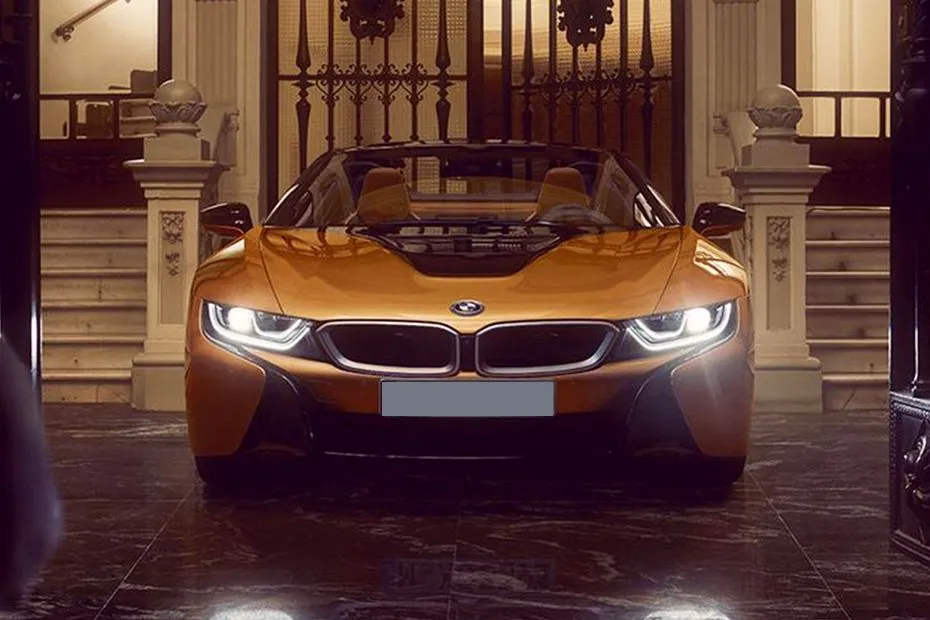
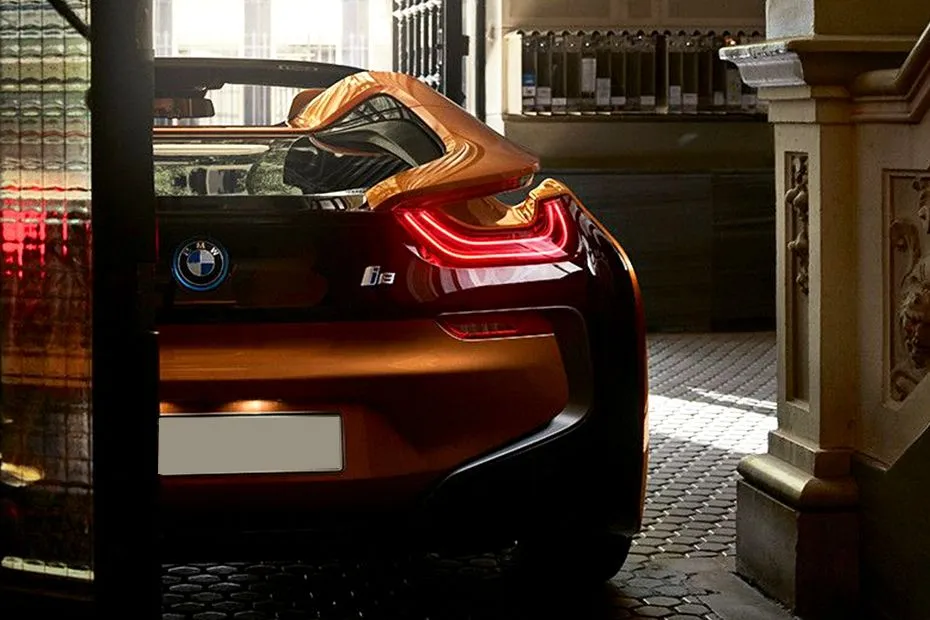
The exterior features a long hood, a very short front overhang, and a dramatic drop toward the rear. The side intakes feed air to the mid-mounted engine. The headlights are slim and sharp. The whole car sits 4.69 meters long but only 1.28 meters tall, giving it proportions closer to a supercar than a typical sports car.
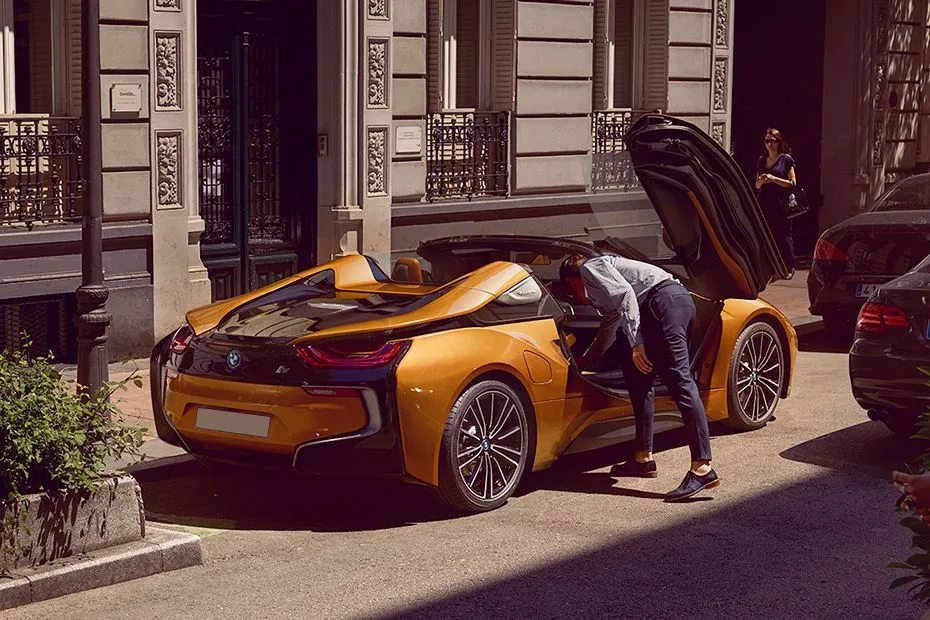
Then there are the doors. The i8 uses what BMW calls “butterfly” doors, which swing upward and forward. They’re genuinely useful in tight parking spaces since they don’t extend outward like conventional doors. They also mean that getting in and out requires a bit of technique, especially for taller drivers.
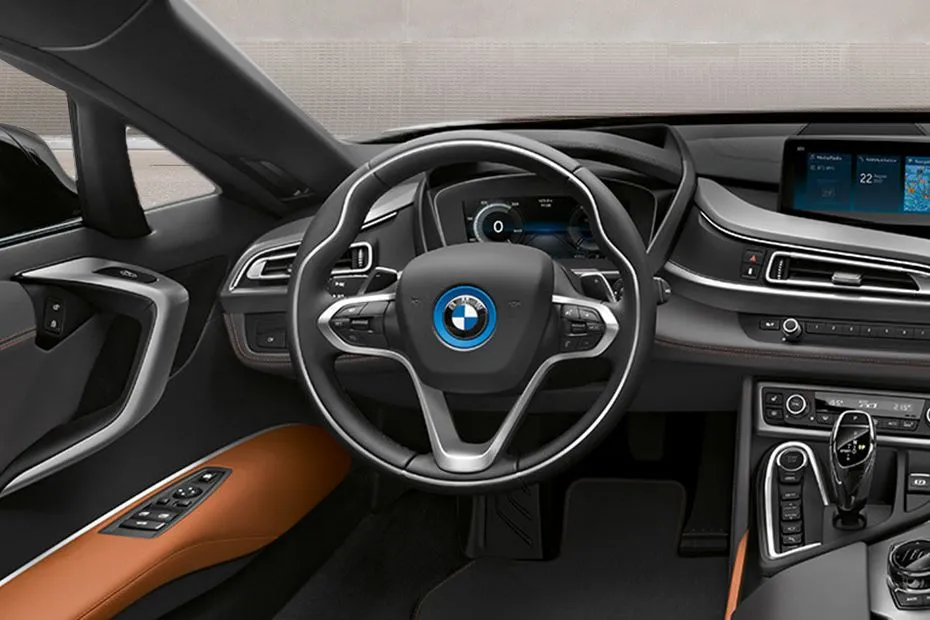
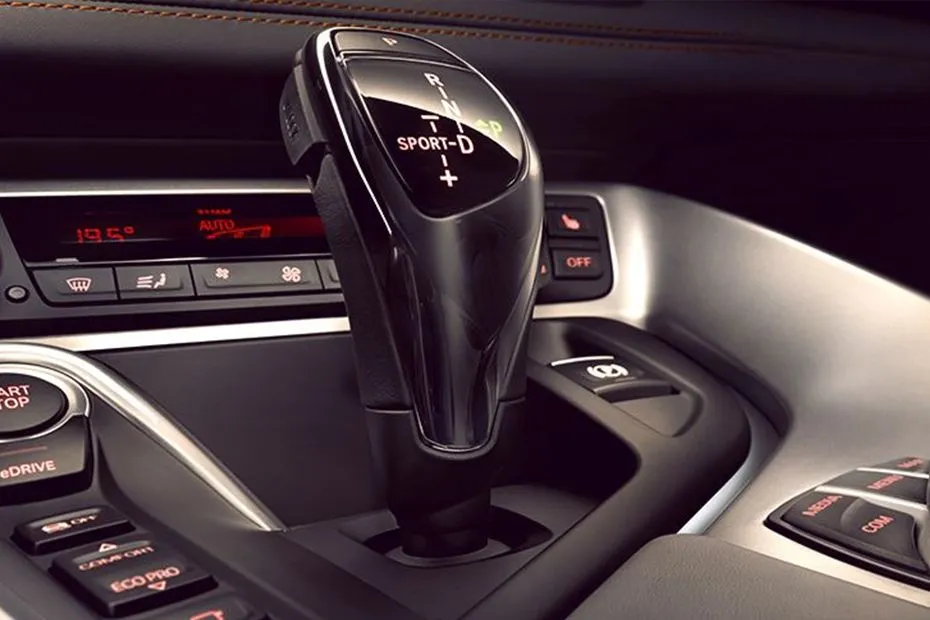
The interior is narrow but thoughtfully designed. The driver sits low, and the high center console creates a cockpit feel. Early cars had a dated infotainment system; the 2018 update addressed this with BMW’s iDrive 6 system.
What It’s Like to Drive
This is where opinions tend to split.
In pure electric mode, the i8 is quiet, smooth, and surprisingly quick off the line. The electric motor delivers torque instantly, and around town it feels effortless. It’s genuinely usable as a city car in this mode, and the electric range, while not huge, covers most urban commuting scenarios.
When you push the car or deplete the battery, the petrol engine starts up. The transition is seamless in most situations, but the three-cylinder note is a point of contention. BMW added sound enhancement through the speakers, which many drivers found artificial. Later software updates gave owners more control over this.
In Sport mode, the car genuinely comes alive. The dual-motor all-wheel drive setup gives it impressive traction, and the weight distribution, roughly 50/50, helps it feel balanced in corners. The steering is precise, and the brakes are strong, partly because the regenerative system supplements the mechanical brakes.
What it isn’t is a pure driver’s car in the way a Porsche Cayman or Lotus Evora might be. The ride is firm but not harsh. The steering communicates adequately but not telepathically. The driving experience sits somewhere between grand tourer and sports car, and depending on your expectations, that’s either a compromise or a feature.
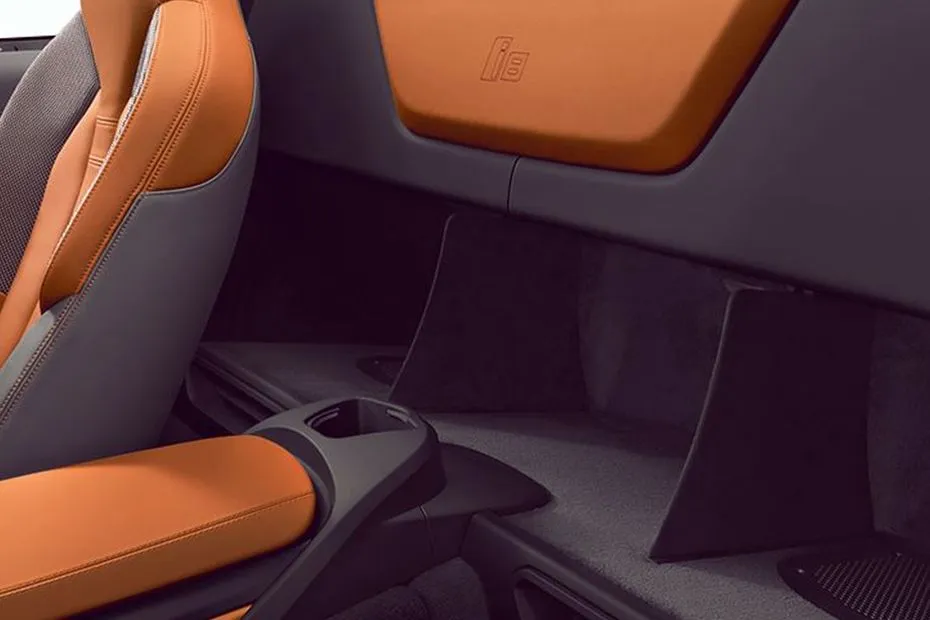
For daily use, the i8 is more practical than most sports cars. The rear seats exist (barely) for occasional use. The front trunk and a small rear luggage area provide just enough space for weekend bags. Fuel economy in hybrid mode is genuinely excellent for a 370-horsepower car.
Common Issues and Reliability
No car this complex is without its problems, and the i8 has a list worth knowing before buying one used.
The 12V auxiliary battery is a known weak point. If this battery fails, the car can behave strangely and sometimes won’t start at all. Replacement is inexpensive, but the diagnosis can be confusing if you don’t know what to look for.
The high-voltage battery is expensive to replace, though BMW offered an 8-year/100,000-mile warranty on it in most markets. Used buyers should verify the battery health before purchase.
Door struts on the butterfly doors can weaken over time, causing the doors to droop or not stay open properly. Replacement parts are available but not cheap.
The infotainment system on early models aged quickly. While the hardware works fine, the software feels slow compared to modern standards. This was partly addressed in the 2018 update.
Overall, BMW i8s that have been maintained by dealers and specialist shops tend to hold up well. The problem is that some owners, put off by high maintenance costs, deferred service. A well-documented service history is worth paying a premium for when buying used.
BMW i8 vs. The Competition
When the i8 launched, it had almost no direct competition. Plug-in hybrid sports cars simply weren’t a thing in 2014. The closest comparison was the Porsche 918 Spyder, which cost over a million dollars.
By the time production ended in 2020, the landscape had changed significantly. The Acura NSX had arrived as a hybrid sports car in a similar price bracket. Ferrari had launched the SF90 Stradale at a much higher price point. Pure electric sports cars were beginning to emerge.
Against the NSX, the i8 held its own on design and electric range, while the NSX delivered a more involving driving experience at the expense of a more conventional appearance.
Against petrol-only competitors like the Porsche Cayman or Ferrari Portofino, the i8 offered something completely different: the ability to run on electricity for daily errands and petrol power for weekend drives.
Pricing: New vs. Used Market
New, the BMW i8 started at around $147,500 in the US when production ended. Fully optioned cars could push well past $160,000.
Used prices have held remarkably well for a plug-in hybrid from 2014. As of 2024 and into 2025, clean, low-mileage examples are trading between $60,000 and $90,000, with particularly well-preserved cars occasionally exceeding that range. Early high-mileage cars with service history gaps can be found cheaper, but the risk increases accordingly.
The Roadster commands a slight premium over the Coupe in most markets, driven by its relative rarity and the added drama of open-air driving.
Depreciation slowed significantly after production ended, which is typical for low-volume discontinued models. Supply is limited, interest remains consistent, and the car’s status as a design icon keeps demand from evaporating.
Should You Buy a Used BMW i8?
If you want a car that looks unlike anything else on the road, uses genuine carbon fiber construction, can commute on electricity, and still has the performance to embarrass most sports cars at a traffic light, the i8 is a compelling choice.
You need to go in with clear eyes. Maintenance at a BMW dealer is expensive. The electric range won’t replace a dedicated EV for long-distance electric driving. Finding a trusted specialist is important, as not every independent workshop is comfortable working on cars with high-voltage systems.
A pre-purchase inspection by a BMW i8 specialist is money well spent. Battery health reports, door strut condition, and a check of the service history should be non-negotiable.
For the right buyer, a well-maintained i8 represents something genuinely unusual: a sports car that was ahead of its time, looks better than almost anything else in its price range, and costs less than half its original asking price.
The BMW i8 Legacy
BMW built the i8 as a statement, not just a car. It was meant to show that the company could apply motorsport thinking to electrified powertrains and produce something genuinely desirable, rather than just responsible.
In that sense, it worked. The i8 influenced how BMW’s designers and engineers thought about future performance products. Some of the lessons learned from the LifeDrive architecture showed up in subsequent models. The i sub-brand continued after the i8, even if it shifted toward fully electric vehicles.
The i8 also proved something important to the wider industry: hybrid sports cars could be commercially viable and aesthetically striking. That may seem obvious now, but in 2014 it was an open question.
Final Thoughts
The BMW i8 is a car worth knowing about whether you’re planning to buy one, simply curious about it, or thinking about what the auto industry was doing in the mid-2010s when it came to electrification.
It’s not a perfect car. The interior feels small, the electric range is modest by current standards, and the three-cylinder engine will always be a conversation point. But perfection isn’t the standard the i8 was built to meet.
It was built to be different, to look unlike anything else, and to make a genuine case that performance and efficiency could exist in the same vehicle. On all three counts, it delivered. That’s why, years after the last one left the factory, people still stop and stare when one rolls past.
If you’re seriously considering ownership, do your homework, budget realistically for maintenance, and get a specialist inspection. If you find a clean example with a solid history, you’ll have one of the most distinctive cars of its generation, and one that still feels relevant in a way that few cars from 2014 can claim.

