
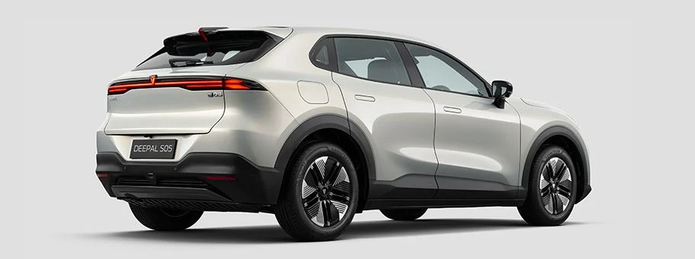

If you have been shopping around for a new crossover SUV lately, you have probably noticed how many Chinese automakers are pushing hard into the range-extended electric vehicle (REEV) space. One name that keeps coming up is the Changan Deepal S05. It is a compact-to-midsize crossover that packs in a long list of features, a modern cabin, and a powertrain option that can push the combined range past 1,000 kilometers on a single tank-and-charge combo. That is a big number, and it is worth breaking down what it actually means for a regular driver.
This article walks through what the Deepal S05 offers, how the REEV system works, what the cabin and tech are like, and whether it is worth considering against the competition.
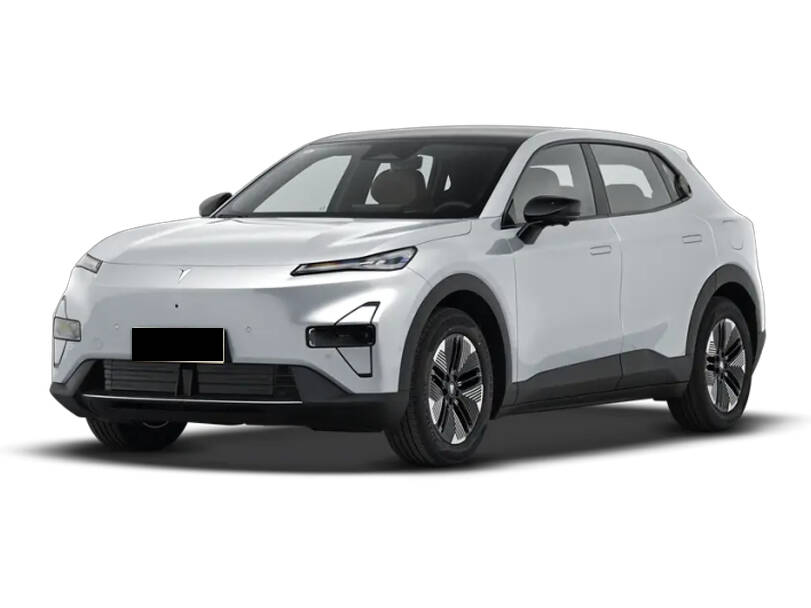
What Is the Changan Deepal S05?
The Deepal S05 comes from Deepal, which is Changan’s newer brand focused on electrified vehicles. Changan itself is one of the older and larger state-owned automakers in China, so Deepal is not some startup with no backing. It has the manufacturing scale and engineering resources of a company that has been building cars for decades.
The S05 sits in the crossover segment, which means it is aimed at buyers who want something a bit taller and more practical than a sedan but do not need the size or price tag of a full-size SUV. It is meant to compete with other popular crossovers in its class, both from Chinese brands and international ones operating in the same markets.
What sets the S05 apart is that it is offered with a range-extended electric powertrain, alongside other variants. This is the version most people are talking about, and it is the one we will focus on here.
Understanding the REEV Powertrain
REEV stands for range-extended electric vehicle. If you are not familiar with the concept, here is the simple version: the car is fundamentally an electric vehicle. The wheels are always driven by an electric motor. But instead of relying only on a battery, there is also a small gasoline engine on board. That engine does not drive the wheels directly. Its only job is to spin a generator and top up the battery when needed.
This is different from a standard hybrid, where the gas engine and electric motor can both send power to the wheels. It is also different from a plug-in hybrid in how the drivetrain is set up, even though the day-to-day experience can feel similar.
The advantage of this setup is straightforward. You get the smooth, quiet driving feel of an EV most of the time, especially on daily commutes where you are running on battery power. But you do not have to worry about finding a charging station on a long road trip, because the gas engine can keep the battery topped up as you drive.
For the Deepal S05, this combination is what allows the car to claim a combined range of over 1,000 kilometers. The battery alone gives you a solid electric-only range for daily driving, and the gasoline engine extends that significantly further once the battery gets low. So instead of stopping to charge every few hundred kilometers on a long trip, you can keep driving and refuel with gasoline in a few minutes, just like a conventional car.
Why the 1,000 KM Range Matters
Range anxiety is still one of the biggest reasons people hesitate to switch to an EV. Even with better charging infrastructure than a few years ago, long trips can still involve planning around charging stops, waiting times, and the occasional worry about whether the nearest station is actually working.
A combined range over 1,000 kilometers basically removes that concern. You could drive from one major city to another without needing to stop and charge at all, assuming you are willing to use gasoline for part of the trip. For someone who mostly drives around town during the week but takes occasional long drives on weekends or holidays, this setup can be genuinely useful. You get to charge at home most of the time, which is cheaper and more convenient than public charging, and you still have the flexibility of a gas-powered car when you need it.
It is worth noting that the real-world number will vary depending on driving style, terrain, weather, and how much of the trip is done on electric power versus the range extender. Official combined range figures are usually measured under specific test conditions, so actual results on the road will typically come in a bit lower. Still, even accounting for that, the S05 is positioned to cover long distances without frequent stops.
Design and Exterior
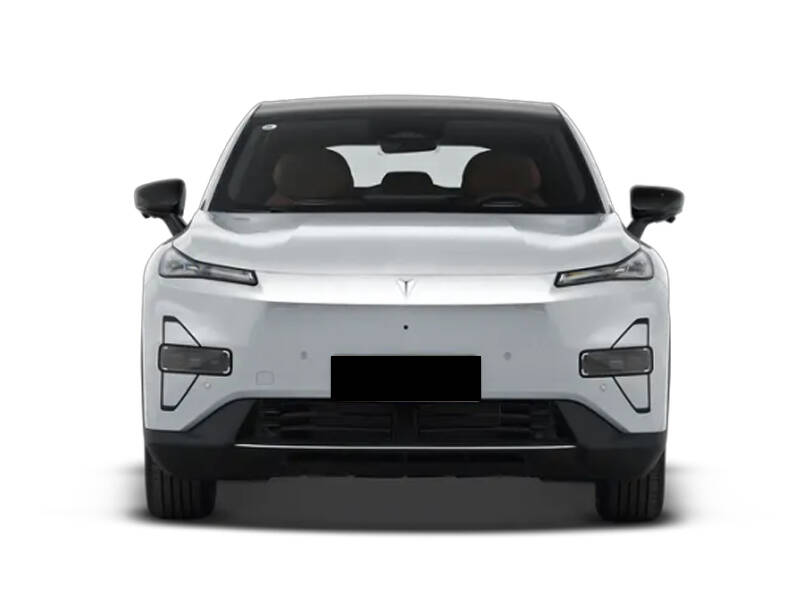
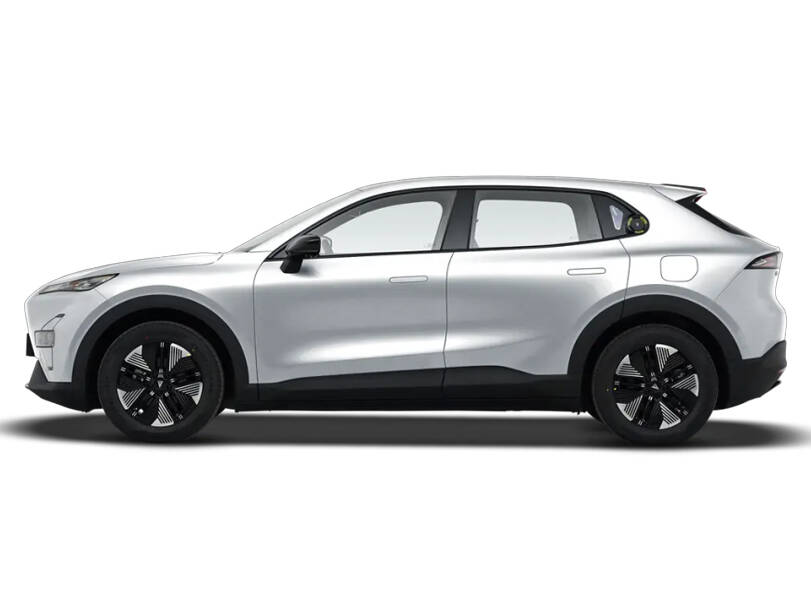
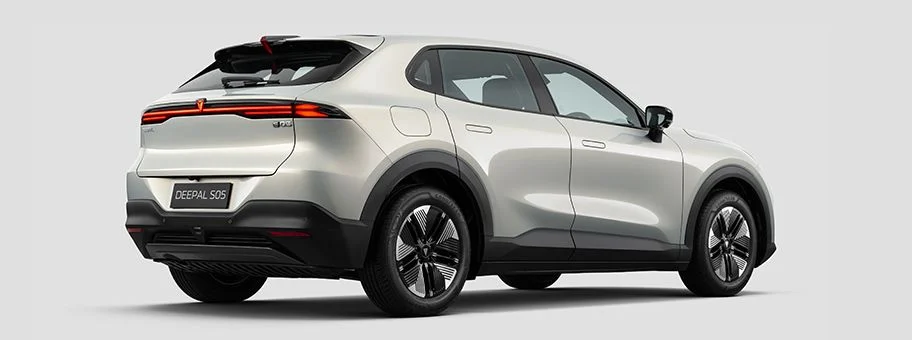
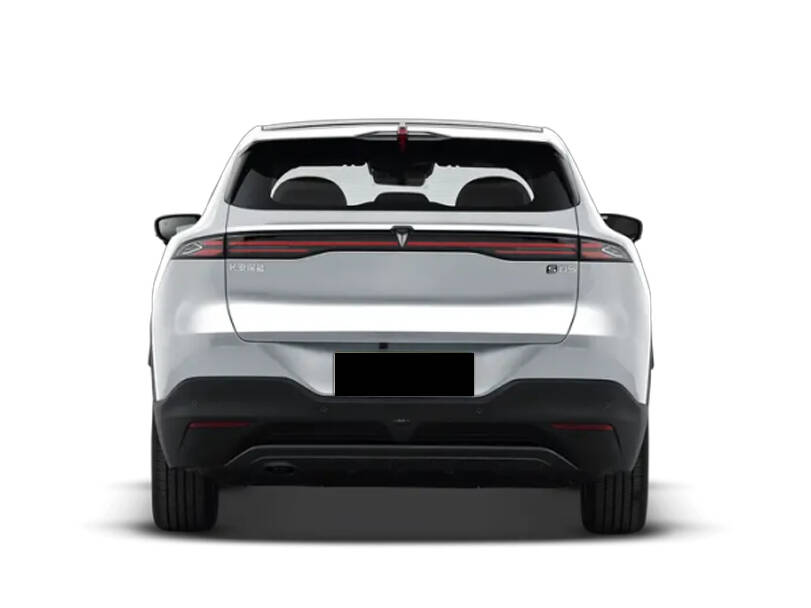
The Deepal S05 follows the general design language that has become common among newer Chinese EVs and REEVs: a smooth, aerodynamic body, a mostly closed-off front end since there is no traditional engine needing large air intakes, and sharp-looking LED lighting front and rear. The overall shape is proportioned like a typical compact crossover, with a sloped roofline that gives it a slightly sportier look compared to boxier SUVs.
Aerodynamics matter more for this kind of vehicle than people might assume. A smoother body reduces drag, which directly helps both electric range and fuel economy when the range extender kicks in. So the styling choices are not purely cosmetic. They serve a practical purpose too.
Wheel design, exterior color options, and trim details vary depending on the specific version and market, but overall the car presents itself as a modern, tech-forward vehicle rather than a traditional SUV.
Interior and Cabin Tech
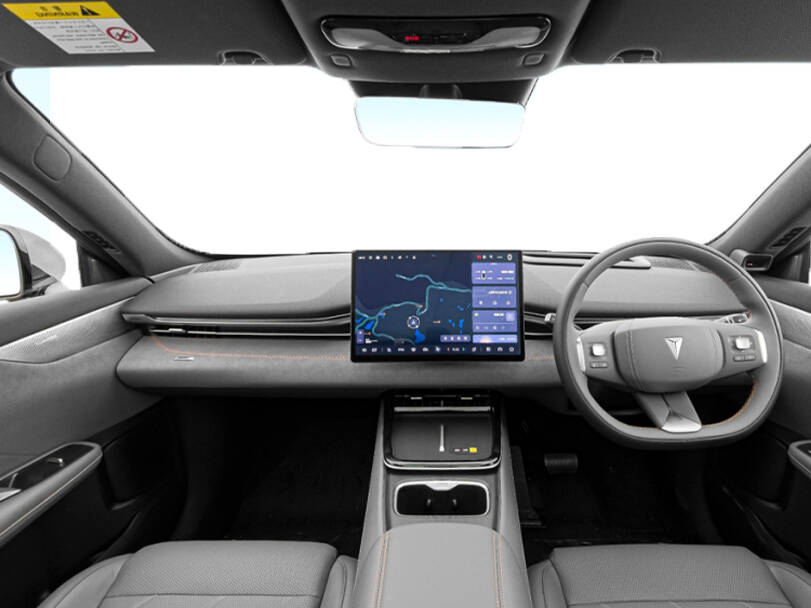
Step inside and the Deepal S05 leans heavily into the minimalist, screen-focused interior style that has become standard in this segment. Expect a large central touchscreen handling most of the car’s functions, from climate control to media to vehicle settings. There is typically a digital instrument cluster in front of the driver as well, replacing traditional analog gauges.
Materials used in the cabin are generally a mix of soft-touch surfaces, faux leather or actual leather depending on trim, and some brushed metal or piano black accents. This is fairly typical for the class, and Changan Deepal has put effort into making the cabin feel more premium than the price point might suggest.
On the tech side, buyers can generally expect:
- A large touchscreen infotainment system with support for smartphone connectivity
- Voice control for various in-car functions
- Driver assistance features like adaptive cruise control, lane keeping assistance, and parking sensors or cameras
- Multiple driving modes to adjust throttle response and suspension feel
- Ambient lighting and configurable interior themes on higher trims
Space-wise, as a crossover, the S05 should offer a reasonably roomy cabin for four adults, with a fifth seat usable for shorter trips or smaller passengers. Cargo space should be competitive for the segment, though exact cargo volume will depend on the specific configuration and whether rear seats are folded down.
Driving Experience
Because it runs on an electric motor for propulsion, the driving experience of the S05 should feel closer to an EV than a traditional gas car. That means instant torque off the line, a quiet cabin most of the time, and smooth acceleration without the gear shifts you would feel in a conventional automatic transmission.
When the battery runs low and the range extender engine kicks in, there can sometimes be a slight change in cabin noise as the small engine starts running to recharge the battery. Automakers have gotten better at isolating this noise over the years, so it should not be intrusive, but it is worth test driving before you buy if quietness is a priority for you.
Handling-wise, crossovers built on EV or REEV platforms tend to have a lower center of gravity than traditional gas SUVs because the battery pack sits low in the chassis. This usually translates to better stability in corners and a more planted feel compared to older-generation SUVs.
Charging and Running Costs
One of the practical benefits of a REEV setup like this is flexibility in how you fuel the car. For daily use, most owners would plug in at home overnight and rely on electric power for their regular commute. This keeps running costs low since electricity, especially off-peak home charging, is generally cheaper than gasoline per kilometer driven.
For longer trips, you have two options. You can look for a charging station if convenient, or simply keep driving and let the range extender take over. This flexibility is really the whole point of the REEV concept. It gives buyers a middle ground between committing fully to an EV lifestyle and sticking with a traditional gas-powered car.
Maintenance costs should also land somewhere in between a pure EV and a conventional car. There is still an internal combustion engine involved, so it will need periodic servicing like oil changes, but there is generally less mechanical complexity overall compared to a full gas-powered drivetrain since the engine is not directly driving the wheels or dealing with the same load a normal engine would.
Safety Features
Modern crossovers in this price and tech bracket usually come loaded with a fairly extensive list of driver assistance and safety systems, and the Deepal S05 fits that pattern. Expect to see things like:
- Multiple airbags throughout the cabin
- Automatic emergency braking
- Blind spot monitoring
- Lane departure warning and lane keeping assist
- 360-degree camera systems on higher trims
- Electronic stability control and traction control
These systems vary by trim level and by market, since safety regulations and available features can differ from one country to another. If safety tech is a priority for you, it is worth checking the exact specification sheet for your region before making a decision.
How It Compares to the Competition
The crossover REEV segment has gotten fairly crowded, particularly in China, where several brands including Li Auto, AITO, and others have popularized this powertrain type. The Deepal S05 enters that competition with a strong range figure and a well-equipped cabin, which puts it in a solid position on paper.
Compared to pure EV crossovers, the S05 has an obvious advantage in flexibility and range confidence, especially for buyers who do not have reliable access to home charging or who frequently drive long distances. Compared to traditional gas or hybrid crossovers, it offers the quieter, smoother driving feel of an EV along with generally lower running costs for daily use.
Where it will need to prove itself is in areas like long-term reliability, resale value, and after-sales support, since these are things that only become clear over time and with a larger number of vehicles on the road. Newer brands and newer powertrain technology always carry a bit more uncertainty in these areas compared to more established gas-powered vehicles with decades of track record.
Who Should Consider the Deepal S05
This car makes the most sense for a specific type of buyer. If you drive mostly around town during the week, have access to home charging, but also take occasional longer road trips, the REEV setup fits your lifestyle well. You get low running costs most of the time and the reassurance of a long combined range when you need it.
It is also a reasonable option for buyers who like the idea of an EV but are not fully ready to commit to public charging infrastructure, or who live somewhere charging stations are still not as common as gas stations.
On the other hand, if you almost never drive long distances and always have access to fast charging, a pure EV might make more sense and could work out cheaper to run over time. And if you have no interest in electrified vehicles at all and just want a straightforward gas SUV, this obviously is not the car for you.
Final Thoughts
The Changan Deepal S05 is a good example of how far range-extended electric vehicles have come. A combined range over 1,000 kilometers is a genuinely useful figure, not just a number for a spec sheet. Paired with a feature-rich cabin, a reasonably smooth driving experience, and the backing of an established automaker in Changan, the S05 is worth a look for anyone shopping in the crossover segment who wants EV-like daily driving without giving up long-distance flexibility.
As with any vehicle purchase, actual pricing, trim availability, and exact specifications will depend on your local market, so it is worth checking with a local dealer for the latest details and taking one for a test drive before you decide.

