
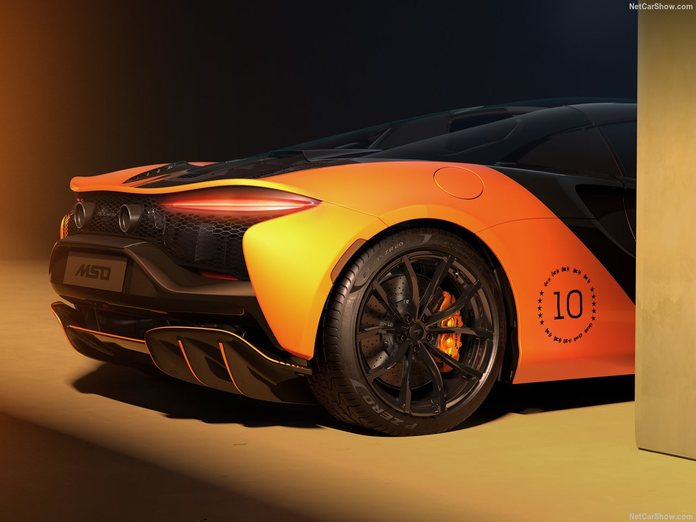

Forget the iPhone 17 Pro in “Orange.” If you want to see orange done right this year, look at a McLaren Artura parked outside a coffee shop instead of in your pocket. It’s become one of the most commonly spotted McLarens on public roads, and once you understand what’s under the body panels, that makes a lot of sense.
This isn’t a car built to sit under a cover in a garage and come out twice a year for a car show. The Artura is McLaren’s daily-usable supercar, and it happens to look fantastic in orange, which has become something of an unofficial house color for the brand. Let’s get into what makes this car worth talking about, what it’s like to actually own one, and where it falls short.
First Impressions: Why Orange Works So Well Here
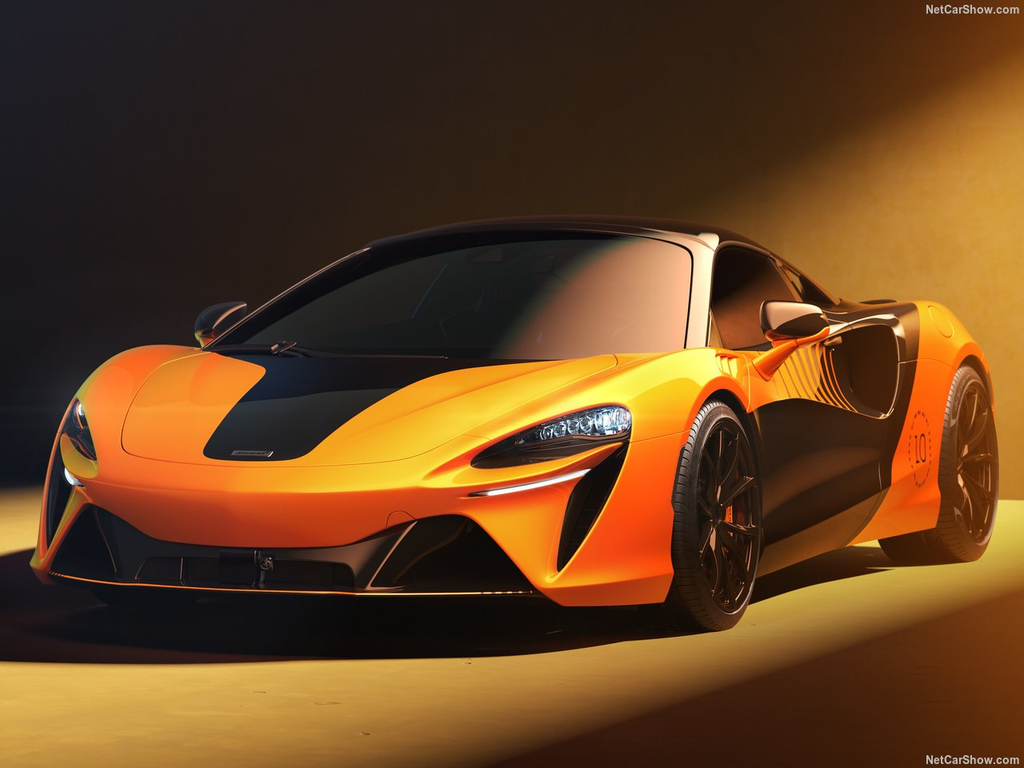
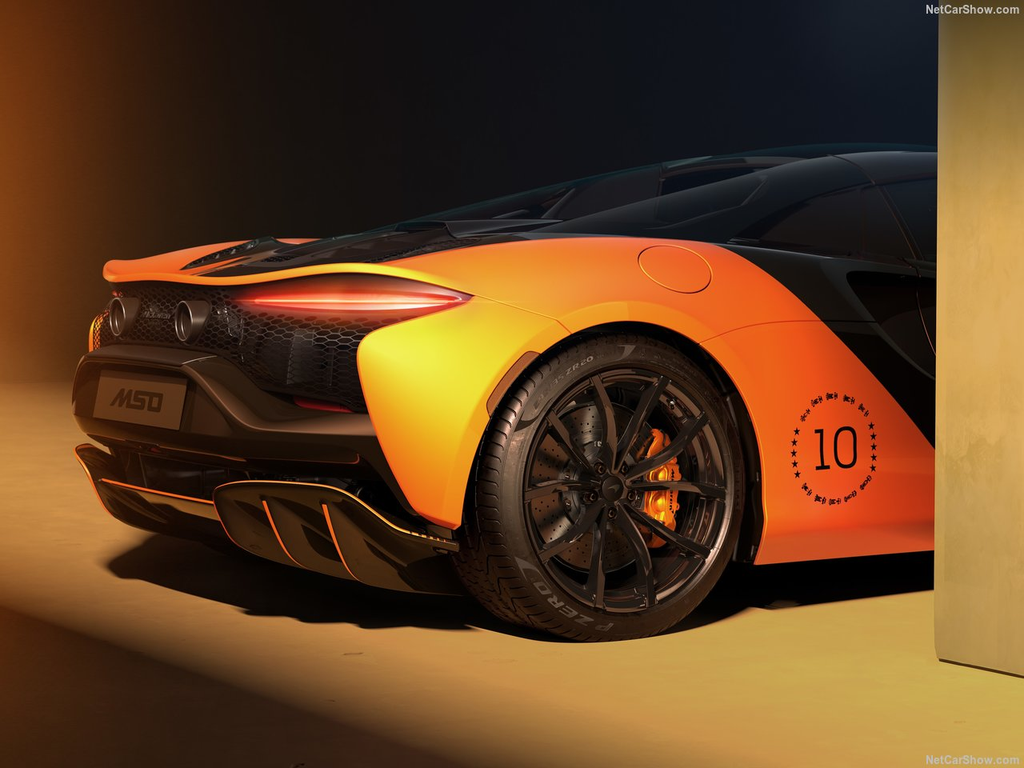
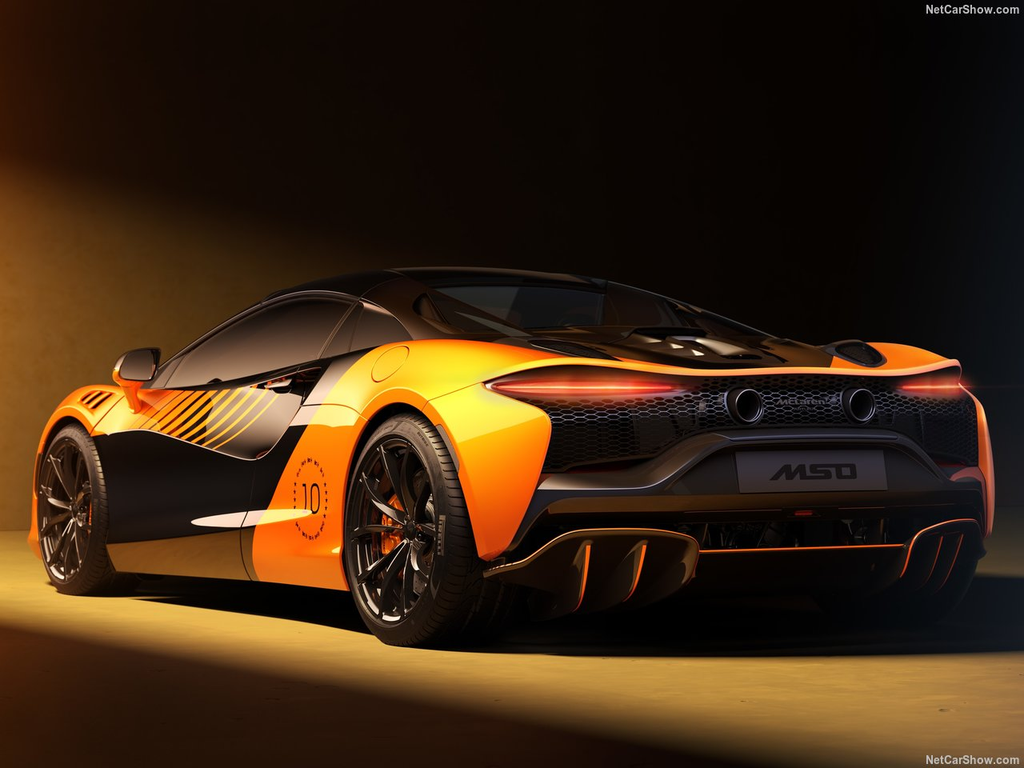
Color choice matters more on a supercar than on almost any other kind of vehicle, and McLaren knows it. The brand has leaned into bright orange since the days of the 720S and the P1, and the Artura continues that tradition. The shade isn’t just loud for the sake of being loud. It highlights the car’s body lines, especially around the front splitter, side intakes, and the sculpted rear haunches that feed air to the engine.
Under direct sunlight, the orange paint shifts in tone depending on the angle, picking up flashes of red and gold. Under cloud cover or at dusk, it settles into a deeper, almost burnt shade that still reads as unmistakably McLaren. It’s a color that photographs well, which matters if you’re the kind of owner who’s going to end up on someone’s Instagram feed whether you intended to or not.
Beyond the paint, the Artura’s shape does a lot of the visual work. It’s lower and tighter looking than the 570S it effectively replaces, with a more aggressive front end and a rear deck that shows off the engine through a glass panel. It doesn’t try to look angry or aggressive the way some rivals do. It looks fast standing still, which is exactly the point.
What’s Actually Under the Skin
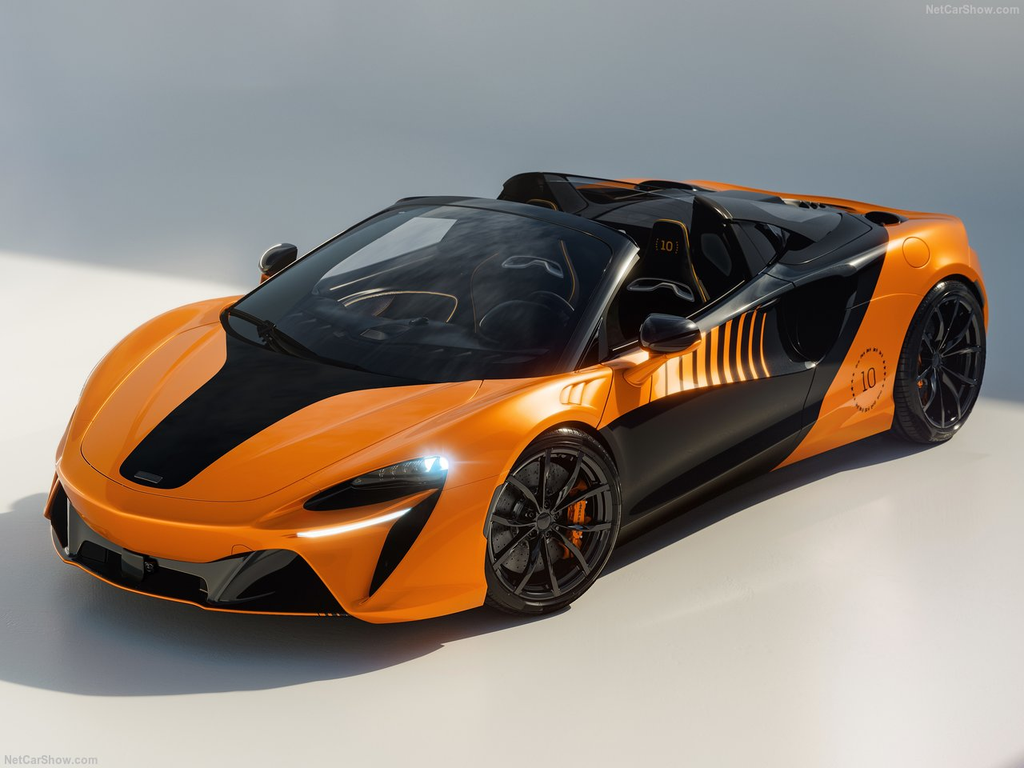
Here’s where the Artura separates itself from the rest of McLaren’s lineup, and from most of its rivals too. This is McLaren’s first series-production hybrid supercar, and the engineering behind it is genuinely different from what you’d expect from a company that spent two decades building cars around naturally aspirated and twin-turbo V8s.
The Artura uses a twin-turbo V6, a 3.0-liter unit with a 120-degree bank angle, paired with an electric motor integrated into the transmission. Combined output lands at 690 horsepower. That number alone would be impressive from a V8, but pulling it from a smaller six-cylinder engine with electric assistance shows how much McLaren has shifted its approach to performance without giving up the character that makes their cars fun to drive.
The result is a 0 to 60 mph time of around 3 seconds, which puts it firmly in the same conversation as cars costing considerably more. Top speed sits north of 205 mph. But raw numbers only tell part of the story. What matters more day to day is how the power gets delivered. The electric motor fills in the gap while the turbos spool up, which removes most of the lag that used to be a normal part of owning a turbocharged McLaren. Throttle response feels immediate, even at low revs, which is something drivers used to older McLarens will notice right away.
There’s also a pure electric mode, good for a handful of miles at low speed. It’s not going to replace a commute, but it’s genuinely useful for slipping out of a neighborhood quietly at 6 a.m. without waking up every house on the block, or creeping through a parking garage without echoing off the concrete.
Handling: This Is Still a McLaren
McLaren has built its reputation on chassis feel more than raw horsepower, and the Artura keeps that reputation intact. The car uses a new carbon fiber tub called the McLaren Carbon Lightweight Architecture, built specifically for this model rather than adapted from an older platform. It’s lighter than what you’d expect from a hybrid car of this power level, partly because McLaren located the battery pack low and central in the chassis to keep the center of gravity where it needs to be.
Steering is hydraulic assisted rather than fully electric, which is becoming rare in this segment and is a deliberate choice on McLaren’s part. It gives the driver more direct feedback through the wheel, especially when you’re pushing through a corner and want to know exactly how much grip is left. The suspension setup, adaptive dampers paired with a well sorted anti-roll system, keeps the car flat without making it feel stiff or uncomfortable over rough pavement.
On a twisty road, the Artura rewards a driver who actually wants to work the car rather than just point it and mash the throttle. It changes direction with very little hesitation, and the brakes, a mix of carbon ceramic discs, haul the car down from speed without any drama. For a car with this much power and this much hybrid complexity, it manages to feel light on its feet, which is exactly what McLaren fans expect and exactly what a lot of competitors struggle to deliver once you add batteries and motors into the mix.
Living With It: Interior and Everyday Usability
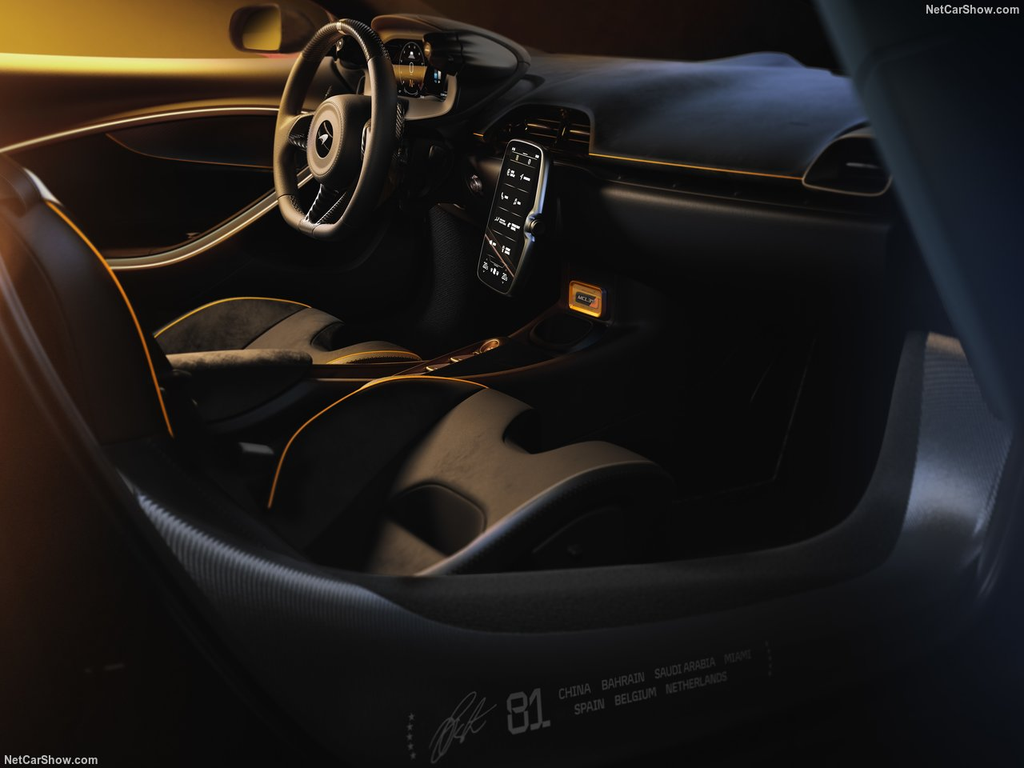
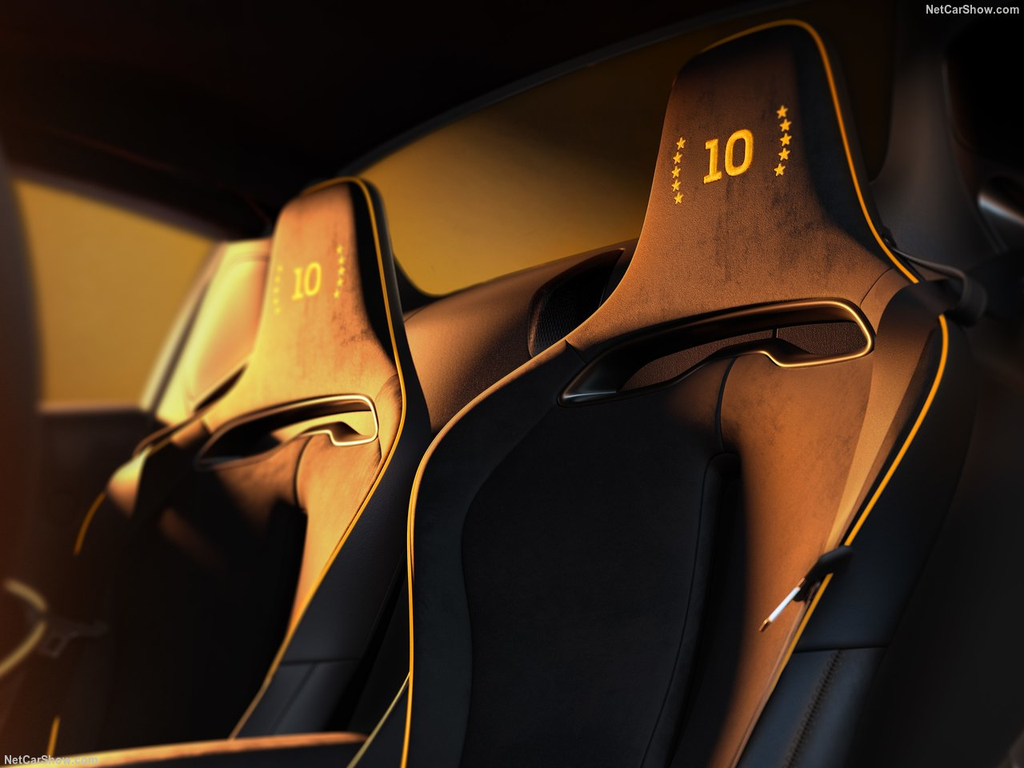
This is where the Artura tries hardest to be different from older McLarens, and mostly succeeds. The cabin is more driver focused than luxurious, but it’s not spartan either. Materials feel appropriate for the price, with Alcantara and leather covering most touch points, and the seating position is lower and more integrated into the car than in most rivals.
Visibility is better than you’d expect from a mid-engine supercar. The windshield pillars are thin, and the door glass extends further down than on many competitors, which makes it easier to judge the car’s width when parking or navigating tight streets. That matters more than people realize once you’re actually living with a car like this day to day instead of just admiring it in photos.
Storage is limited but not nonexistent. There’s a front trunk that can fit a couple of soft bags, enough for a weekend trip if you pack light. It’s not a car built around cargo space, but it’s also not one where you have to leave your jacket at home.
The One Real Complaint: No Wireless CarPlay
For a car in this price range, built in this decade, this is a genuine miss. The Artura supports Apple CarPlay, but only through a wired connection. There’s no wireless option, which means every time you get in, you’re plugging your phone into a cable if you want navigation, music, or messages routed through the car’s display.
It sounds minor until you live with it. Most cars costing a fraction of the Artura’s price have offered wireless CarPlay for years now. Having to fish around for a cable in a car that costs more than most houses feels like an oversight rather than a deliberate choice. McLaren has addressed some infotainment complaints from earlier models with updated software in the Artura, but this particular gap remains, and it’s worth knowing about before you sign anything.
If you’re the kind of driver who relies heavily on CarPlay for daily use, this is worth test driving and confirming for yourself before you commit to a configuration. It’s not a deal breaker for most buyers, but it’s the kind of detail that stands out precisely because everything else about the car feels so well thought through.
Pricing: What You’re Actually Paying For
The Artura starts at roughly $280,000 before options. That puts it in direct competition with the Ferrari 296 GTB and the Lamborghini Huracán’s eventual hybrid successor, both of which play in a similar space with similar hybrid V6 setups.
Where things get interesting is once you start adding options. A well equipped Artura, one with the performance pack, upgraded wheels, carbon fiber trim, and a few interior upgrades, lands closer to $345,000. That’s a significant jump from the base price, and it’s worth understanding before you walk into a dealership with a number in your head.
Most buyers end up somewhere in the middle. The performance upgrades are worth considering if you actually plan to track the car, since they include things like a louder exhaust, upgraded brakes, and suspension tuning aimed at spirited driving. If the car is mostly going to see street use and the occasional weekend drive, you can save a meaningful amount of money by skipping some of the more track focused options and putting that toward cosmetic choices instead, like that orange paint we talked about earlier.
Who Should Actually Buy This Car
The Artura sits in an interesting spot in McLaren’s lineup and in the broader supercar market. It’s not the entry point anymore, that role has shifted over the years, but it’s also not the flagship. It’s positioned as the car for someone who wants genuine McLaren performance and handling, without stepping up to the price and intensity of something like a 750S.
If you’re cross-shopping against a Porsche 911 Turbo S, the Artura offers a step up in outright performance and a more exotic ownership experience, though you’ll give up some of the Porsche’s everyday reliability reputation and dealer network convenience. Against the Ferrari 296 GTB, the comparison gets closer, with both cars sharing a hybrid V6 approach and similar power figures. The decision there often comes down to brand preference and which company’s dealer network is easier to work with where you live.
For daily driving, the Artura holds up better than older McLarens did. The ride quality is more forgiving, the visibility is better, and the hybrid system actually adds usability rather than just complexity. It’s a car you could reasonably drive several times a week rather than one that only comes out for special occasions.
Final Thoughts
The McLaren Artura earns its spot as one of the more commonly seen McLarens on the road because it does what a supercar in this price range should do. It looks good, especially in orange, it handles with the kind of precision McLaren built its name on, and the hybrid powertrain adds real usability without taking anything away from the driving experience. 690 horsepower and a 3-second sprint to 60 mph put it firmly in supercar territory, while the electric motor and improved cabin make it more livable than most cars in this class.
The lack of wireless CarPlay is a legitimate frustration, and one McLaren should probably address sooner rather than later given the price point. But it’s a small annoyance next to everything the car gets right. If you’re shopping in the $280,000 to $350,000 range and want something that combines daily usability with genuine performance credentials, the Artura deserves a spot on your test drive list.
Quick Facts
- Engine: Twin-turbo 3.0-liter V6 with hybrid assistance
- Power: 690 horsepower combined
- 0-60 mph: Approximately 3 seconds
- Base price: Around $280,000
- Well-equipped price: Around $345,000
- Notable drawback: No wireless Apple CarPlay

