
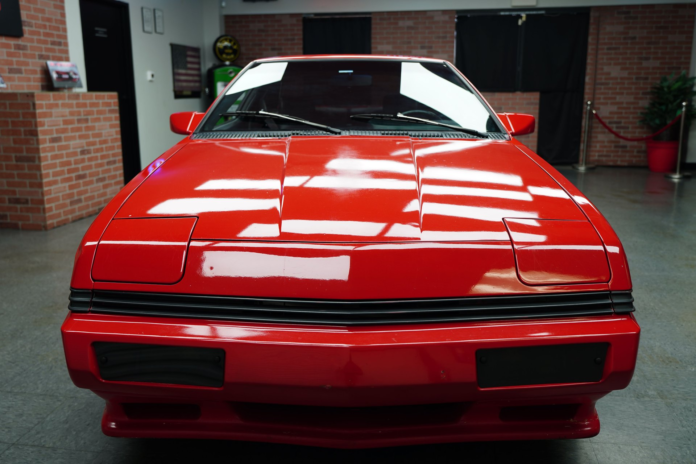

The 1986 Chrysler Conquest TSi Turbo stands as an iconic product of the 1980s turbo boom. Born from a collaboration between two automotive giants, Chrysler and Mitsubishi, the Conquest TSi was more than just another sports coupe. It marked a moment in time when turbocharging and rear-wheel drive (RWD) came together in a compact, performance-oriented package. In this article, we’ll explore the history, engineering, and lasting legacy of the Conquest TSi, a car that captured the essence of its era but never quite became the mainstream success it deserved.
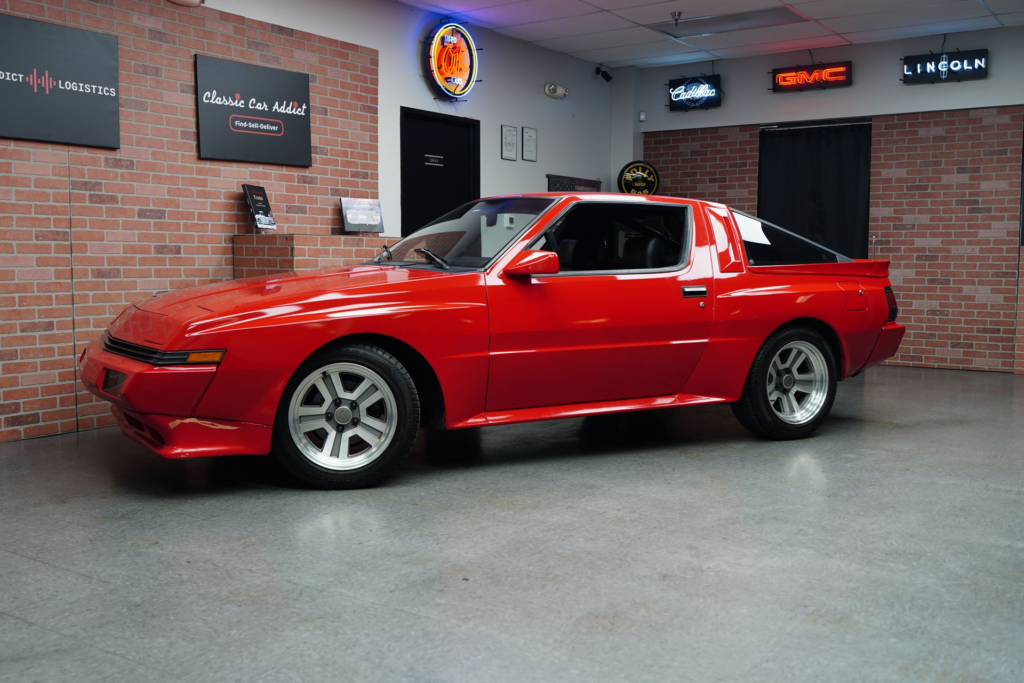
🏁 History of the Chrysler Conquest TSi
🇯🇵➡️🇺🇸 1. Origins: The Mitsubishi Starion (Late 1970s–Early 1980s)
The Chrysler Conquest TSi didn’t start as an American creation. Its roots trace back to Mitsubishi Motors, which developed the car as the Mitsubishi Starion. Mitsubishi’s goal with the Starion was to create a turbocharged, rear-wheel-drive performance car to compete with the likes of the Toyota Supra, Nissan 300ZX, and Mazda RX-7.
In the late 1970s and early 1980s, Japanese automakers were making big strides in performance vehicles, and turbocharging was becoming the cutting-edge technology of the day. As a result, Mitsubishi developed the Starion with the aim of tapping into the growing demand for sporty, turbocharged cars in global markets, especially in the U.S.
🤝 2. Chrysler Partnership: The Birth of the Conquest (1980s)
At the time, Chrysler and Mitsubishi had a business partnership. This collaboration led to the decision to bring the Starion to the U.S. market under a different name — the Chrysler Conquest. Mitsubishi built the car, while Chrysler was responsible for selling it through its dealerships. The partnership was a savvy move that allowed Chrysler to compete in the growing turbocharged performance car market without having to invest heavily in the development of its own platform.
- Mitsubishi Starion: Sold through Mitsubishi dealerships
- Chrysler Conquest: Sold through Chrysler, Dodge, and Plymouth dealerships in the U.S.
This arrangement allowed Chrysler to offer an affordable performance car that could compete with European and Japanese offerings without having to develop a car entirely from scratch.
🚗 The First Generation (1983–1985)
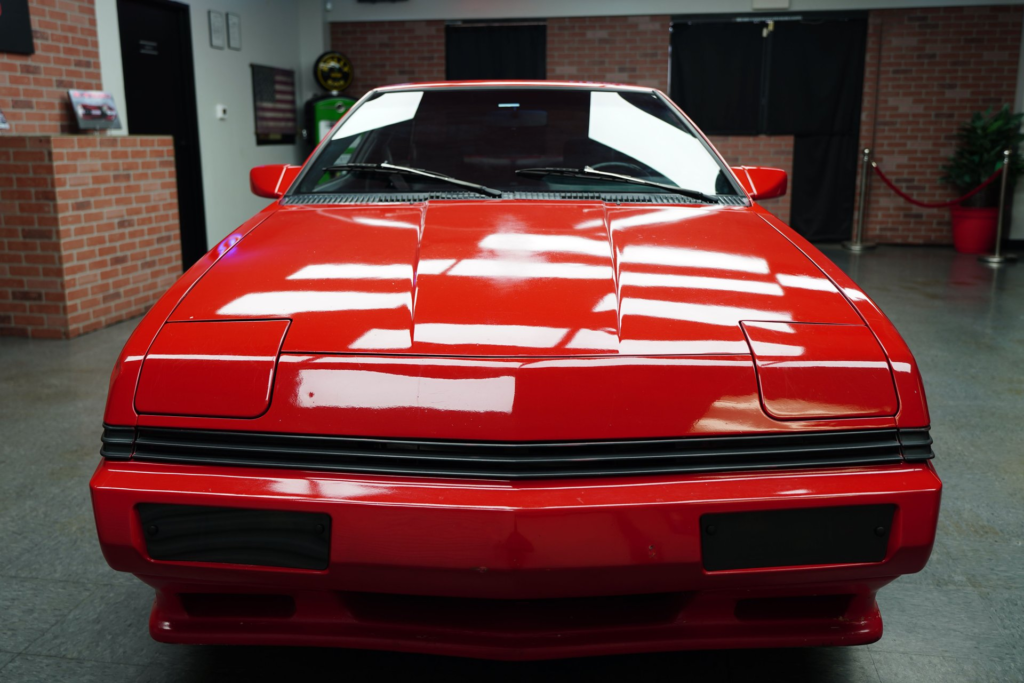
The initial generation of the Conquest, produced from 1983 to 1985, was a more experimental model. While it still carried the same turbocharged engine and rear-wheel-drive configuration, the design was less aggressive and the car was narrower compared to its 1986 successor. Early Conquests were solid performers, but they didn’t yet have the edge in terms of styling or handling that would become characteristic of the later models.
Despite its solid performance, the first-generation Conquest didn’t generate the kind of buzz that would carry it into mainstream recognition. It was clear, however, that Chrysler and Mitsubishi were onto something unique, combining turbo power and RWD in a sports coupe format.
🔥 The Major Update — 1986: The Iconic Version
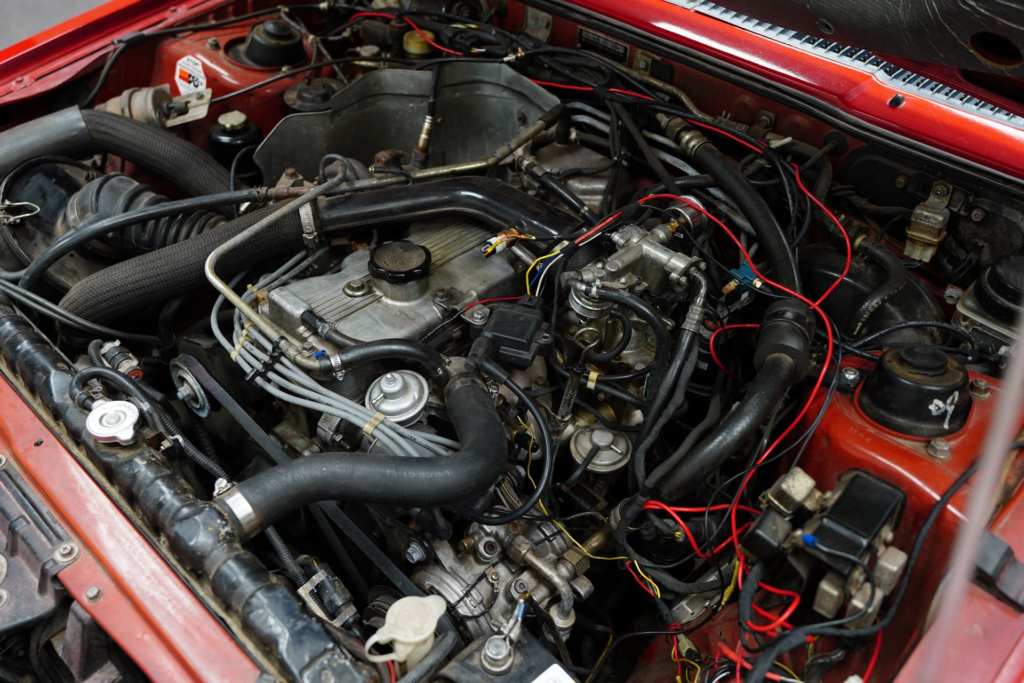
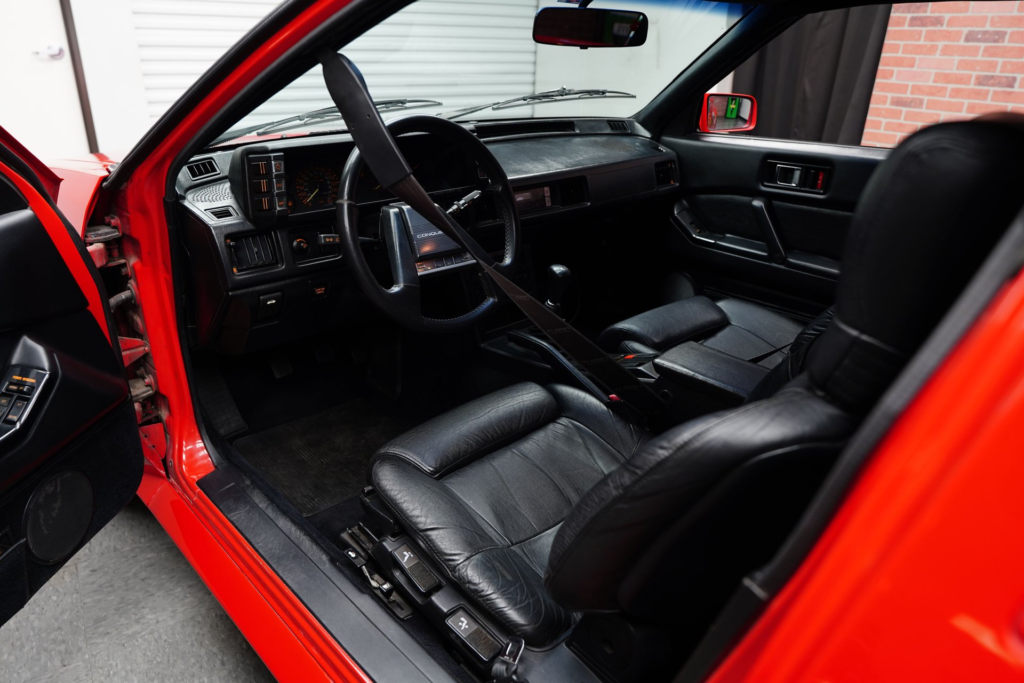
The 1986 Chrysler Conquest TSi marked a turning point in the car’s history. This was the year that the Conquest truly found its identity and became a performance icon. Several significant updates made this version the one that enthusiasts remember fondly.
What Changed:
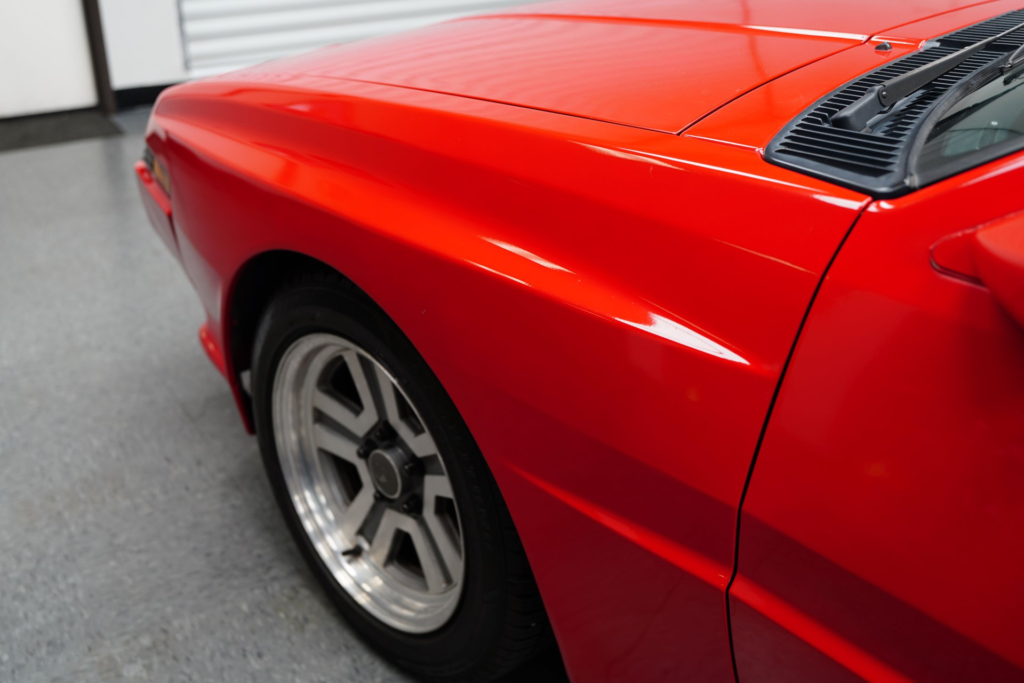
- Widebody Fender Flares: The 1986 Conquest TSi was equipped with widebody fender flares, giving the car a more aggressive stance and improving its overall appearance.
- Wider Wheels: The new staggered wheel setup added to the performance and aesthetics, offering better grip and a more commanding presence on the road.
- Improved Turbo Setup: An upgraded intercooler and turbocharger setup made the 1986 model more powerful and efficient than its predecessors, providing a more engaging driving experience.
- Enhanced Suspension: The suspension tuning was also refined, improving handling and stability, which made the Conquest TSi much more enjoyable to drive, especially in spirited driving scenarios.
With these changes, the 1986 Chrysler Conquest TSi became the version that car enthusiasts remember as the true performance car of the Conquest lineage. It was more than just a turbocharged coupe; it was a refined machine that balanced style, performance, and handling.
⚙️ The Turbo Era Context
In the 1980s, turbocharging was in full swing. This era saw several notable turbocharged cars, including the Buick GNX, Saab 900 Turbo, and Porsche 944 Turbo. The Conquest TSi, with its turbocharged engine and rear-wheel-drive configuration, fit right into this turbocharged performance car revolution.
The appeal of turbocharging during this era was clear: smaller engines with forced induction offered better efficiency and performance. Drivers could get the power of a larger engine without sacrificing fuel economy, which made turbocharged cars like the Conquest TSi highly desirable in the 1980s.
Other Notable Turbocharged Cars from the Era:
- Buick GNX: Known for its incredible performance and iconic styling
- Saab 900 Turbo: A stylish, practical performance car
- Porsche 944 Turbo: A refined and agile sports car with turbocharging
For the Conquest, it wasn’t just about having a turbo engine. The rear-wheel-drive setup and the widebody styling made it a unique offering in the U.S. market, a car that blended performance with flair at a price point lower than many European competitors.
🏎️ Market Position: Affordable Performance
The Chrysler Conquest TSi was positioned as an affordable performance car, sitting between entry-level sports cars and high-end European performance models. It offered:
- Turbo Power: A turbocharged engine that delivered impressive acceleration and top-end performance.
- RWD Handling: The rear-wheel-drive configuration allowed for a more engaging and balanced driving experience.
- Aggressive Styling: The widebody fender flares and bold design made the Conquest stand out in a crowded field.
While the Conquest TSi couldn’t compete with the European models in terms of refinement, it offered a much more affordable option for American buyers who were looking for performance without the premium price tag.
📉 The Decline (Late 1980s)
Despite its performance credentials, the Chrysler Conquest TSi’s production ended around 1989. Several factors contributed to its decline:
- Rising Competition: The sports coupe market became more competitive, with cars like the Nissan 300ZX and Toyota Supra becoming more refined and technologically advanced.
- Chrysler’s Shift in Focus: Chrysler began shifting its focus to other vehicles, and the Conquest TSi wasn’t selling in the numbers needed to justify its continuation.
- Changing Market Trends: Front-wheel-drive cars were becoming more popular, especially as fuel efficiency and practicality became more important to American buyers.
- Turbo Tech Maintenance: Maintaining and servicing turbocharged engines was more costly and complicated, which made the Conquest less appealing to the average buyer.
The 1980s saw a shift in consumer preferences, and the Conquest TSi, with its turbocharged RWD setup, became less aligned with the market’s evolving needs.
🕰️ Aftermath & Legacy
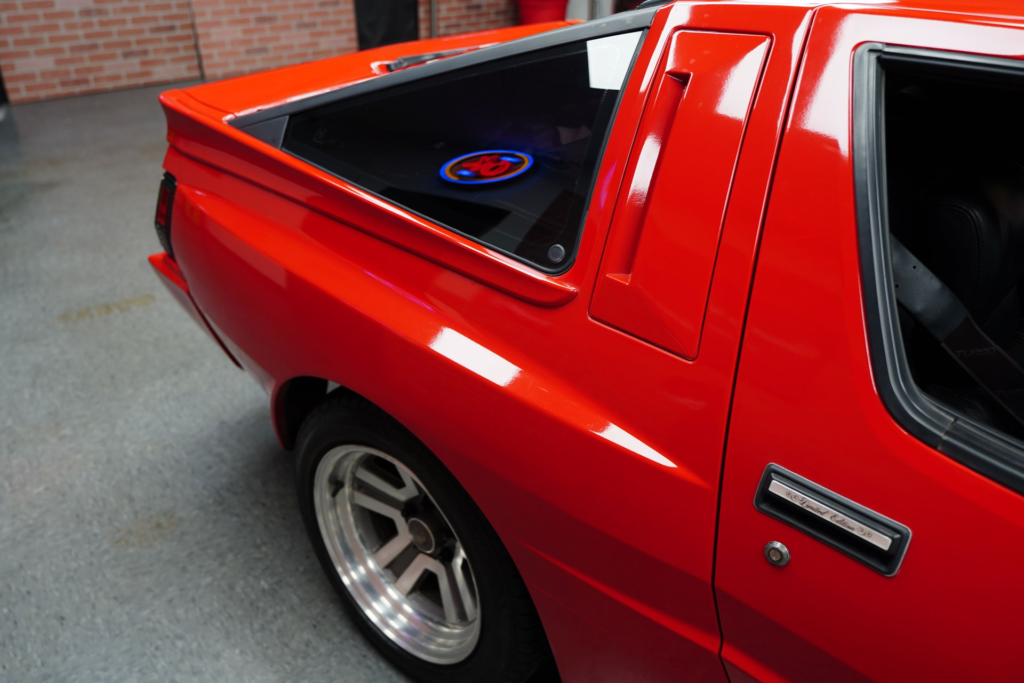
For a long time, the Chrysler Conquest was overlooked and underappreciated. It wasn’t until many years later that it found its place in the automotive world as a cult classic. Car enthusiasts began to recognize the Conquest TSi for what it truly was: an early example of a performance car that combined turbocharging with rear-wheel drive in a package that was both affordable and fun to drive.
Today, the Conquest TSi is remembered for its unique blend of American branding and Japanese engineering. It remains a sought-after collector’s car and is cherished for its nostalgic value. It represents a time when the automotive world was exploring new performance ideas, and it’s one of the few cars of its era that truly captured the spirit of turbocharged performance in a practical package.
🧬 Why It Matters Now
The Chrysler Conquest TSi remains important for several reasons:
- Early Turbo RWD Combo: The combination of turbocharging and rear-wheel drive in such an affordable package was rare at the time and remains a unique aspect of the Conquest’s legacy.
- Cultural Significance: The Conquest was a product of the 1980s turbo boom and reflects the cross-cultural collaboration between Chrysler and Mitsubishi. This combination of American branding and Japanese engineering was one of the first of its kind and helped pave the way for future collaborations between manufacturers.
- Unique Identity: The Conquest TSi stands as an underappreciated icon from the 1980s, offering performance, style, and affordability in a way that few cars of the era could match.
While it may not have achieved mainstream success during its production run, the Chrysler Conquest TSi has earned its place in the history books. It’s a symbol of a unique era in automotive design, performance, and international collaboration.
🔮 Could It Make a Comeback?
Could the Chrysler Conquest TSi be reborn today? It’s possible. A modern-day version of the Conquest, perhaps based on an electric platform with a focus on turbocharged performance, could capture the attention of a new generation of enthusiasts. With the growing trend of electric vehicles and the resurgence of interest in classic performance cars, there’s room for a vehicle like the Conquest to make a comeback—though it would need to balance nostalgia with modern sensibilities.
🧾 Final Takeaway
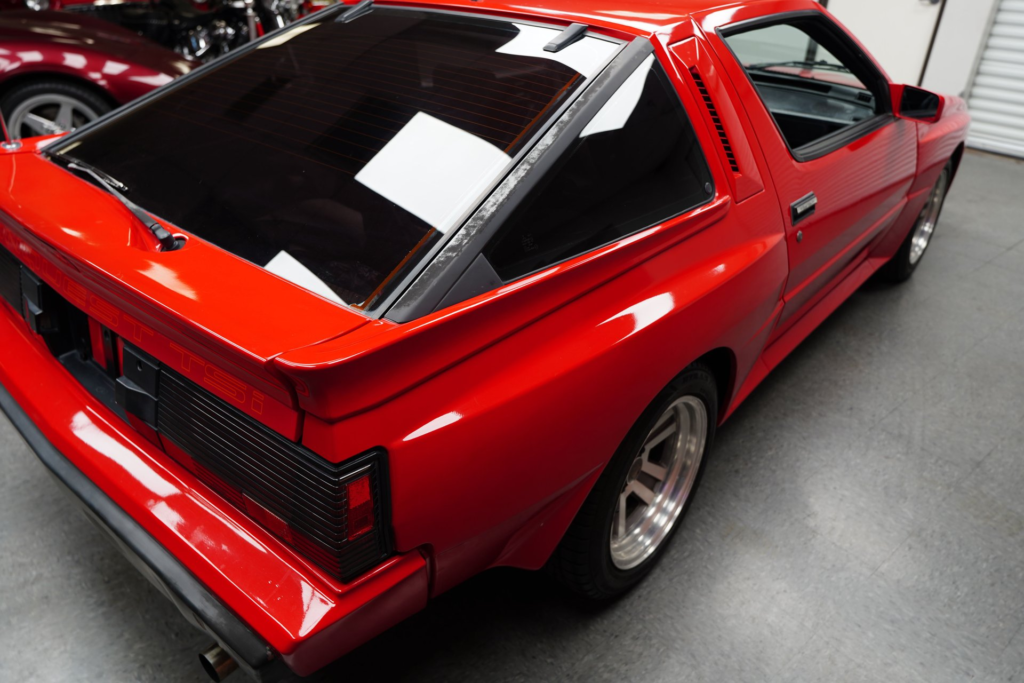
The 1986 Chrysler Conquest TSi Turbo isn’t just a forgotten performance car. It represents a unique cross-cultural collaboration, a turbocharged era, and an early example of modern performance ideas that continue to influence the automotive world today. Though it didn’t find widespread commercial success, the Conquest TSi remains a cult classic, beloved by those who appreciate its turbocharged power, rear-wheel-drive handling, and bold styling. It’s a car that’s ahead of its time, and its legacy endures in the hearts of car enthusiasts everywhere.

