
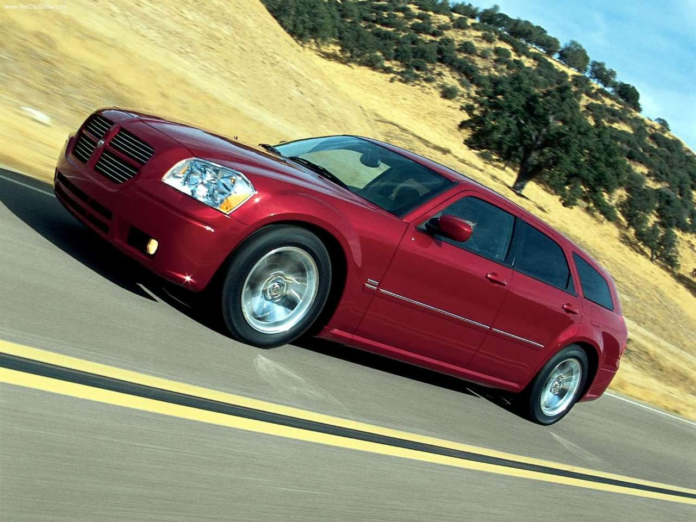

The Dodge Magnum’s story is one of ambition, innovation, and market timing. Introduced in 2005, this bold station wagon was an unexpected fusion of practicality and muscle car flair. It had the aggressive styling of a muscle car, the space of an SUV, and the performance of a sports car. Despite these strengths, it didn’t last long, disappearing from the market by 2008. The Dodge Magnum’s rise and fall aren’t due to a lack of merit, but rather a mix of economic circumstances and shifting consumer trends.
In this article, we will explore the Dodge Magnum’s inception, its distinctive features, why it didn’t last, and the impact it left on automotive enthusiasts.
🏁 The Story Behind the Dodge Magnum
🚗 How It Was Made
When the Dodge Magnum was introduced in 2005, it was much more than just another station wagon. Built on the same platform as the Chrysler 300 and Dodge Charger, the Magnum was equipped with rear-wheel drive—something rare for wagons of that time. The design was aggressive, influenced by classic American muscle cars. The idea behind the Magnum was clear: Dodge was attempting to create a hybrid—a muscle car with the practicality of a family wagon.
Key Features:
- Platform: Chrysler’s LX platform, shared with the Charger and 300
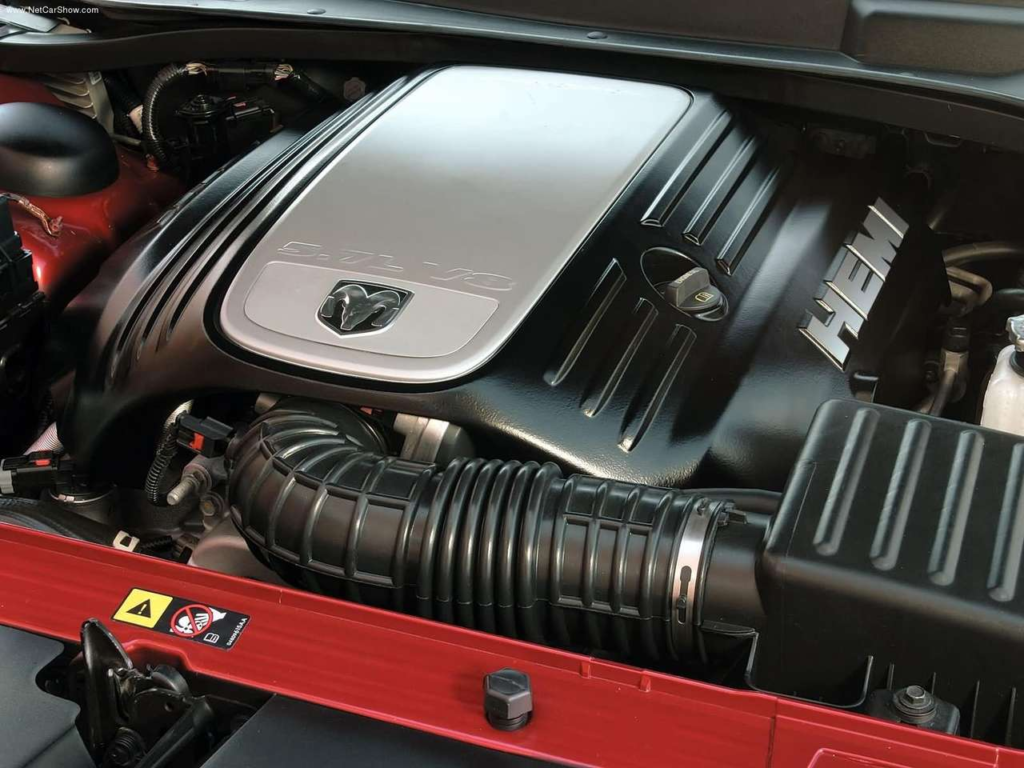
- Powertrain: Available with powerful engines, including the 5.7L HEMI V8
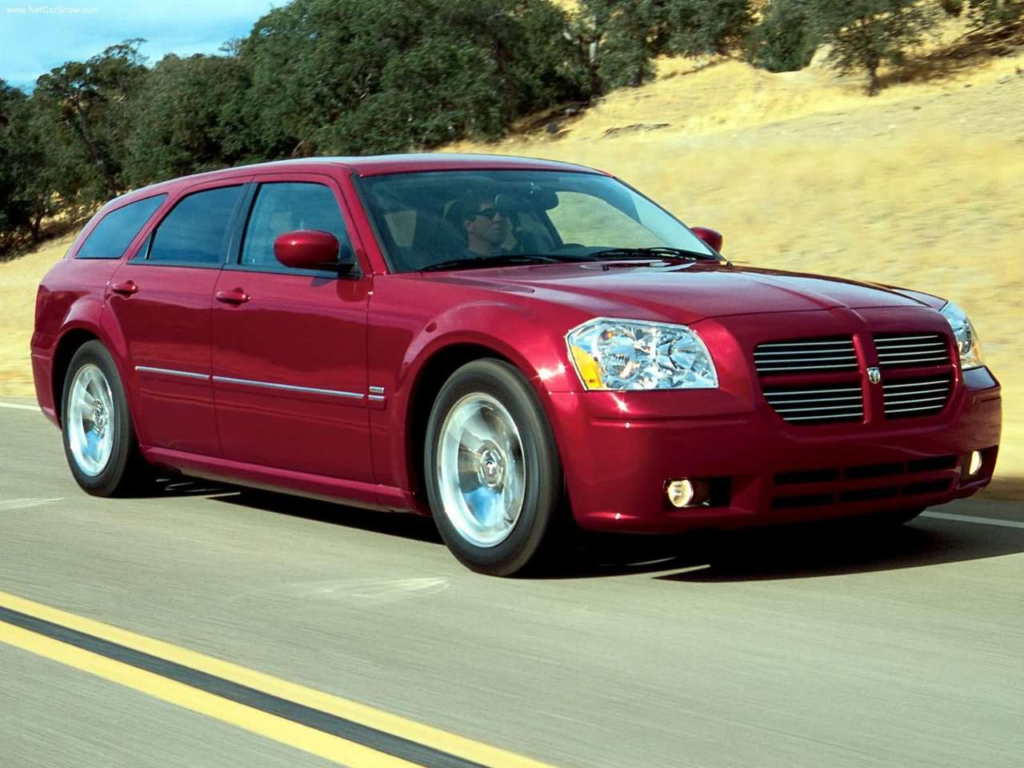
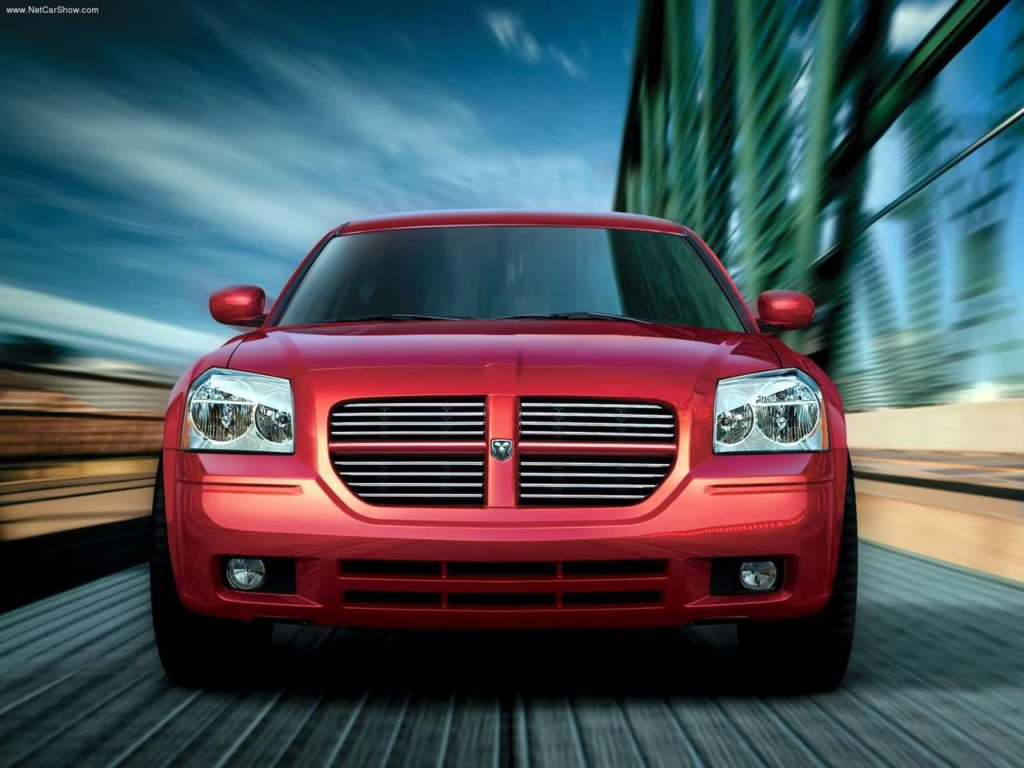
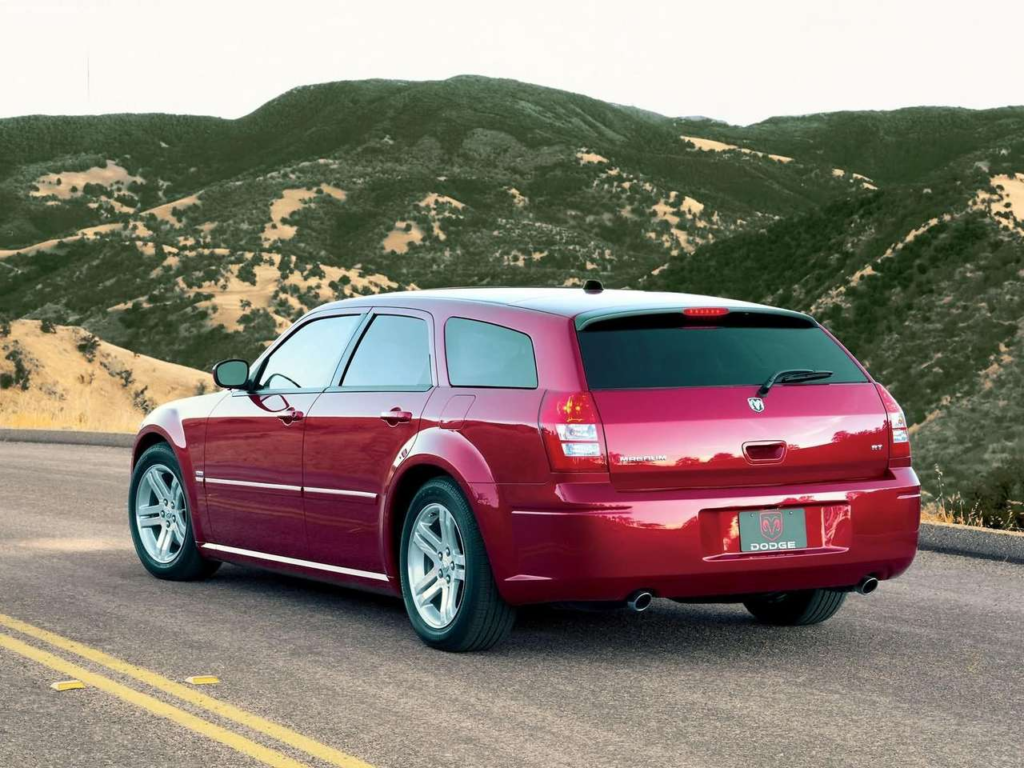
- Design: Aggressive, muscle car-inspired aesthetics with a long hood and short rear end
The Magnum was a bold design choice. It offered a performance-driven experience while still delivering the interior space needed for families. This hybrid of power and practicality made it a unique option in the U.S. market, where sporty wagons were few and far between.
🔥 What Made It Special
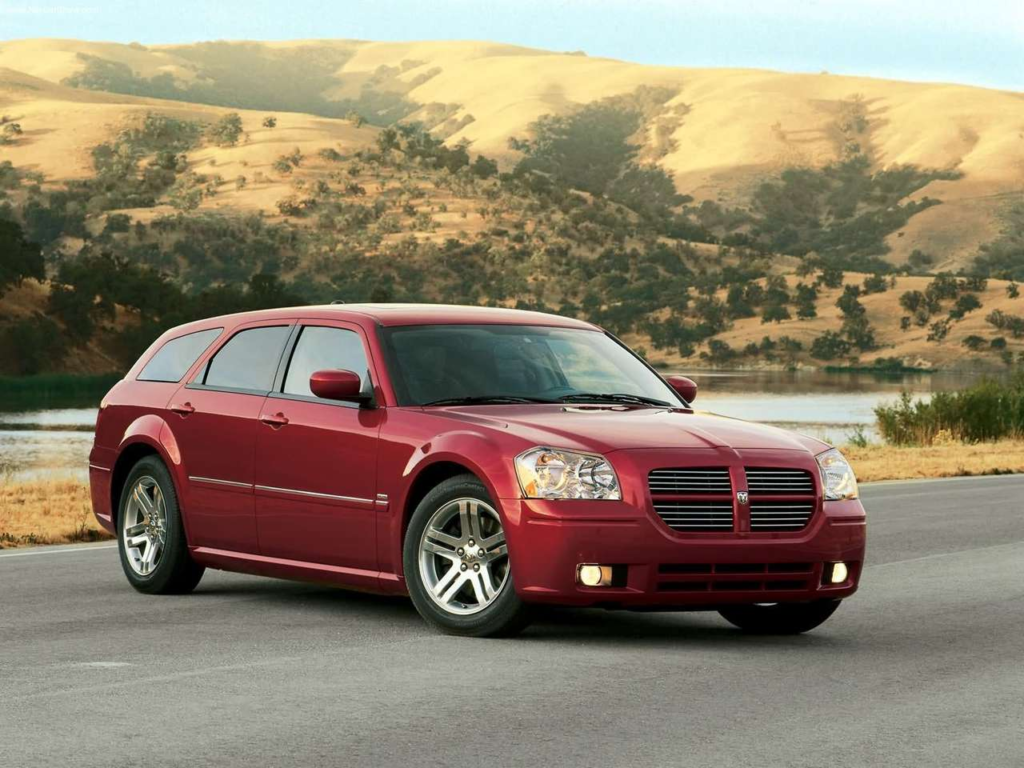
The Magnum was not just another station wagon. It was one of the few performance-oriented wagons in the United States, and its bold design quickly gained a cult following. Here’s what made the Dodge Magnum special:
- Performance: Equipped with a 5.7L HEMI V8 engine (and even a 6.1L V8 in the SRT8 model), the Magnum offered substantial horsepower, giving it more than enough muscle to compete with other performance cars of its time.
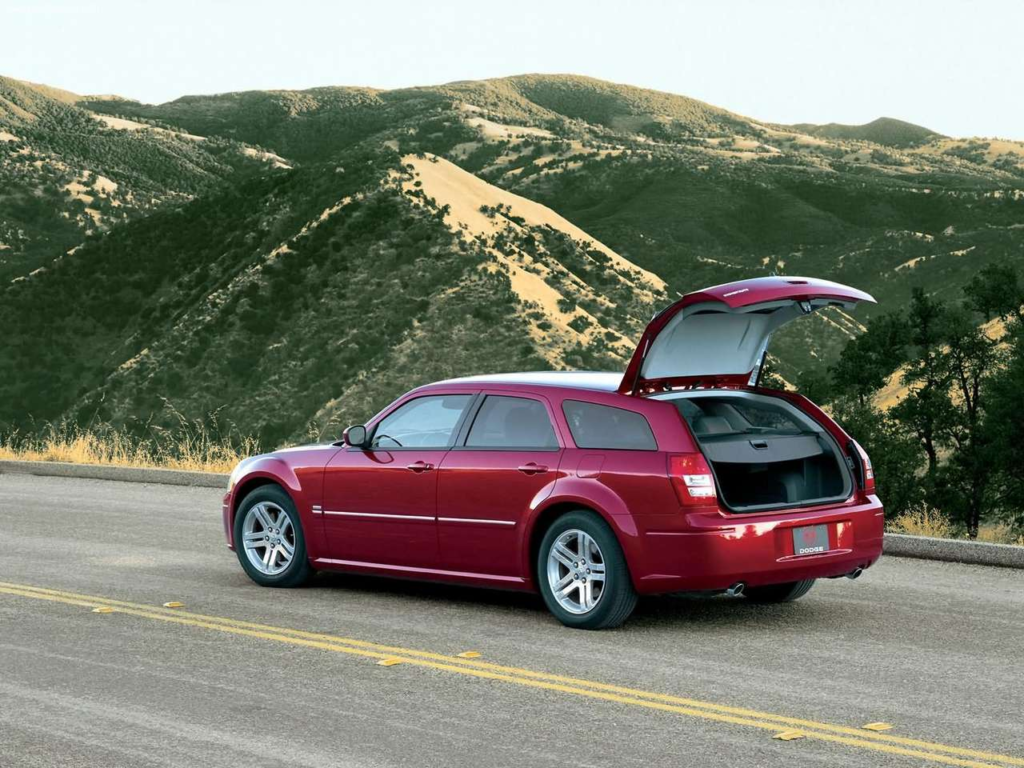
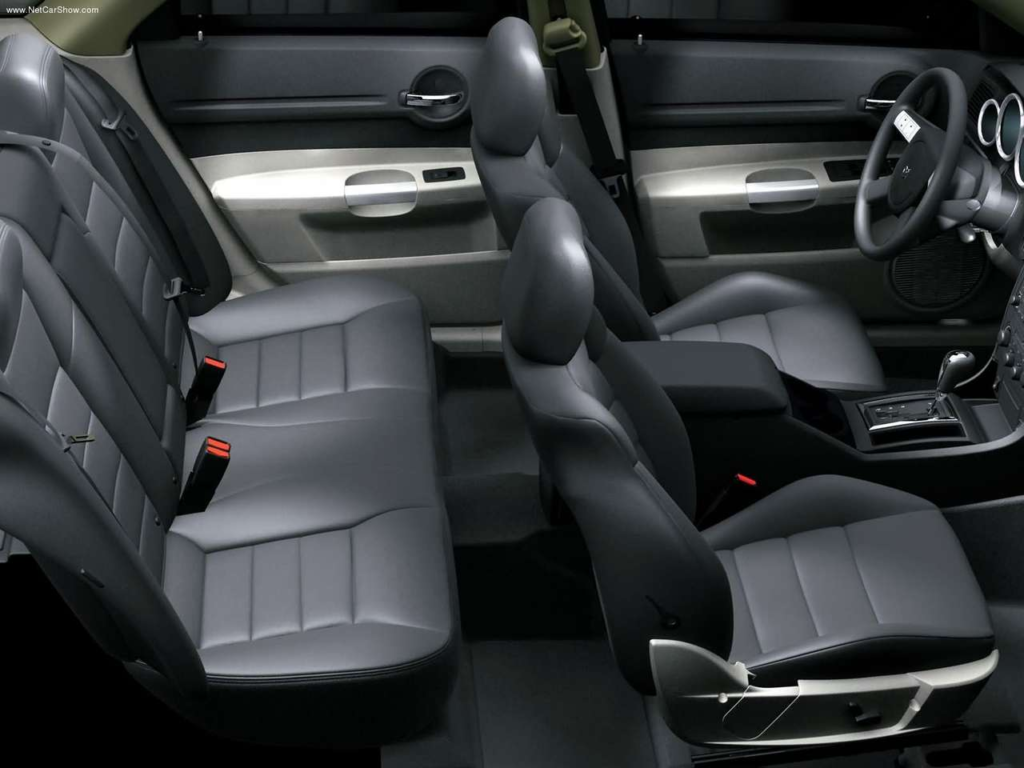
- Spaciousness: Unlike many muscle cars, the Magnum offered ample interior space. It could comfortably seat five adults while still offering cargo space that was more than sufficient for daily use.
- Unique Design: The Magnum had a muscular presence on the road, with a sleek, aggressive profile that made it stand out from typical family wagons.
It was essentially a muscle car masquerading as a family car, and that combination drew attention, especially from enthusiasts looking for something different.
💀 Why It “Died” (Discontinued in 2008)
1. Market Shift to SUVs
By the mid-2000s, consumer preferences were shifting dramatically. The market was moving away from traditional sedans and wagons, instead opting for SUVs and crossovers. This change wasn’t just a passing trend—SUVs like the Ford Explorer and Toyota Highlander dominated the market. Wagon-based vehicles, no matter how powerful, were seen as outdated. The Magnum, despite its unique blend of performance and practicality, couldn’t escape this trend.
2. Economic Crisis (2008)
The economic downturn, which hit hard in 2008, was another blow to the Magnum’s longevity. The Global Financial Crisis led to rising gas prices and an overall decline in consumer spending. Large vehicles with V8 engines, like the Magnum, became less attractive as gas prices soared. Additionally, Chrysler—Dodge’s parent company—was in financial trouble and had to make significant cuts to its vehicle lineup, and the Magnum was one of the casualties.
3. Internal Competition
Even though the Magnum had a unique appeal, it was competing with vehicles within Chrysler’s own lineup. The Dodge Charger and Chrysler 300 were both more popular choices. The Charger, in particular, offered similar performance with more mainstream appeal, while the Chrysler 300 had a more premium feel, making the Magnum seem less desirable by comparison.
4. Design Limitations
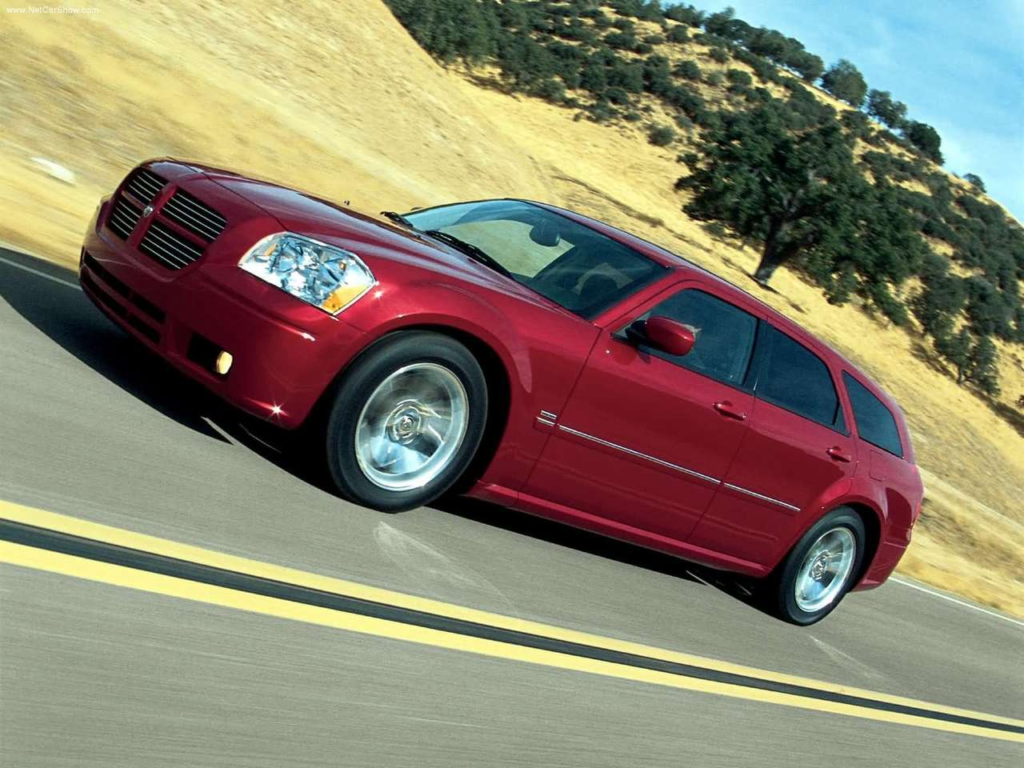
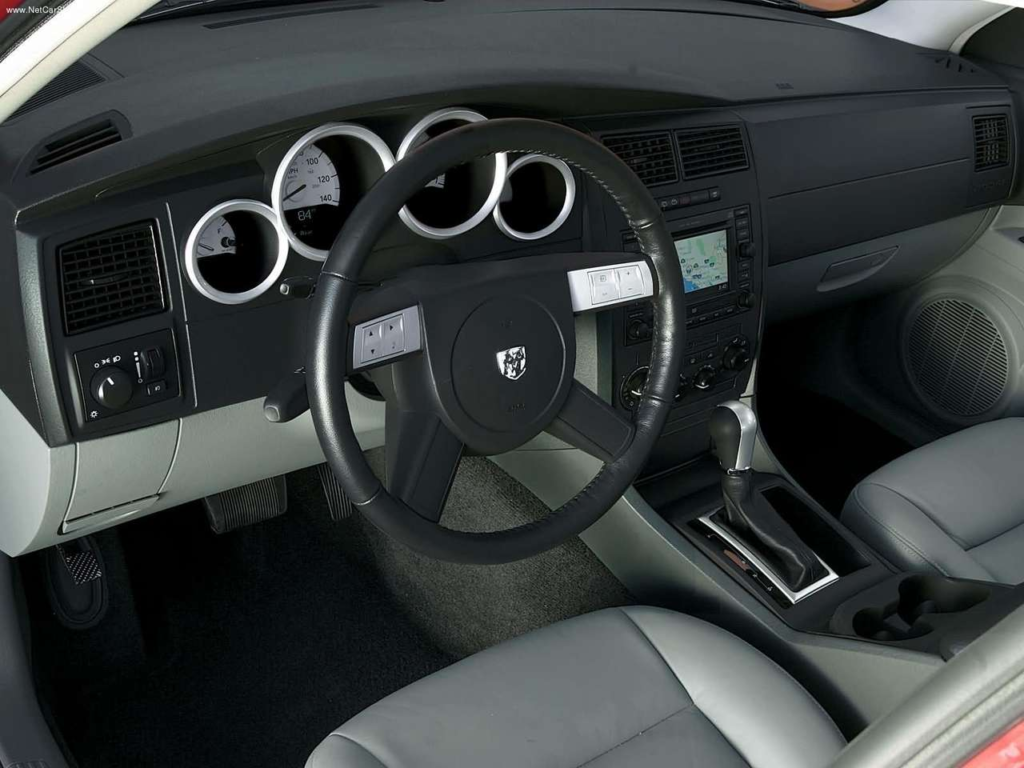
While the Magnum was a standout in terms of its aggressive styling, it did come with its drawbacks. The high beltline and small windows hurt rear visibility, and the interior materials didn’t quite match up to rivals in terms of quality. Furthermore, the design wasn’t as refined as some of the European competitors, making it less appealing to buyers looking for a more sophisticated vehicle.
🧠 The Bigger Idea Behind It
The Magnum was part of a larger, more ambitious strategy by Chrysler in the early 2000s. During this time, the company was working hard to recapture the American muscle car identity, blending retro inspiration with modern platforms. Chrysler sought to create cars that stood out from the competition, but unfortunately, the Magnum’s image didn’t match the market’s growing preference for more practical SUVs and crossovers.
In simple terms, Dodge’s bold move with the Magnum was ahead of its time. The market simply wasn’t ready for such a performance-driven family car, and Chrysler didn’t have the resources to sustain it.
🏎️ Legacy
Although the Dodge Magnum was discontinued after just a few years on the market, it left behind a legacy that still resonates today. The Magnum gained a cult following, particularly among car enthusiasts who saw it as an underappreciated gem. It was one of the last American muscle wagons and is still fondly remembered by those who admired its raw power and distinctive design.
Even though it was a short-lived experiment, the Magnum remains iconic, and enthusiasts still modify and collect them, especially the SRT8 version, which is regarded as a rare find today.
🏗️ The Engineering & Platform (LX Platform)
The Magnum was built on Chrysler’s LX platform, which was designed with a more refined driving experience in mind. This platform was heavily influenced by Mercedes-Benz technology, a result of Chrysler’s merger with Daimler-Benz in the late 1990s. The LX platform incorporated suspension components from the Mercedes-Benz E-Class, giving the Magnum better handling and a more “European” driving feel.
This rear-wheel-drive layout, combined with suspension and transmission tech borrowed from Mercedes, made the Magnum handle better than many other American cars of its time. It was a surprising blend of American muscle and European refinement, providing a driving experience that was both stable and powerful.
🔧 Engine Lineup
The Magnum’s engine lineup was another aspect that set it apart from competitors. From the base 2.7L V6 to the powerhouse 6.1L HEMI V8 in the SRT8, the Magnum offered a range of options for different kinds of drivers.
- Base Models: The 2.7L V6, while underpowered, was affordable and functional. The 3.5L V6 was a more balanced option for those who wanted a better driving experience without the fuel-guzzling V8 engines.
- Performance Models: The 5.7L HEMI V8 offered ~340 horsepower, and the SRT8 version with a 6.1L HEMI V8 pushed out around 425 horsepower, offering exhilarating performance for a wagon. The SRT8 was essentially a performance car disguised as a family vehicle.
🎨 Design Philosophy
The Dodge Magnum’s design was unmistakable. With its long hood, short rear, and high beltline, the Magnum had the proportions of a muscle car. The chopped roofline gave it a fast, aggressive look even when stationary. It wasn’t just about looks—it was about attitude.
However, the high beltline and small windows came with drawbacks. They made rear visibility poor and gave the interior a somewhat dark, cramped feel. Despite this, the Magnum’s design stood out from other family wagons and became an instant icon for performance-minded drivers.
📉 Sales Reality
Despite a strong launch in 2005, the Magnum’s sales started to decline each year. By 2008, it was discontinued, and the reasons were clear:
- The market had shifted away from wagons to SUVs and crossovers.
- The economic crisis made large vehicles like the Magnum less appealing.
- Chrysler’s financial troubles led to cost-cutting measures, with the Magnum being an easy target due to its limited sales.
💥 Chrysler’s Bigger Crisis
The collapse of Chrysler is tightly intertwined with the fate of the Magnum. After splitting from Daimler-Benz, Chrysler faced many challenges, including financial instability and the 2008 economic crisis. The company was forced to make drastic cuts, shutting down factories and canceling models that were underperforming. The Magnum was one of the first to go.
🧬 Cultural Impact
Although the Dodge Magnum was never a mainstream success, it became iconic in niche communities. Car tuning enthusiasts, hip-hop culture, and music videos helped fuel the Magnum’s cultural impact. Custom builds, engine swaps, and lowered, wide-body versions of the Magnum became staples of car tuning scenes.
🔮 Could It Come Back?
People often wonder if the Dodge Magnum could make a comeback. If Dodge were to reintroduce the Magnum, it would likely need to be positioned as a unique, high-performance vehicle. A modern version of the Magnum, based on electric platforms like the Dodge Charger Daytona EV, could be a compelling offering—combining performance with practicality.
🧾 Final Takeaway
The Dodge Magnum wasn’t a failure because it was a bad car—it was ahead of its time. The market simply wasn’t ready for a muscle car-style wagon. While it didn’t survive the shifting tides of the automotive market, it remains a symbol of bold thinking and performance-driven design. Its legacy continues through the car enthusiast community, where it is cherished as one of the last American muscle wagons.

