
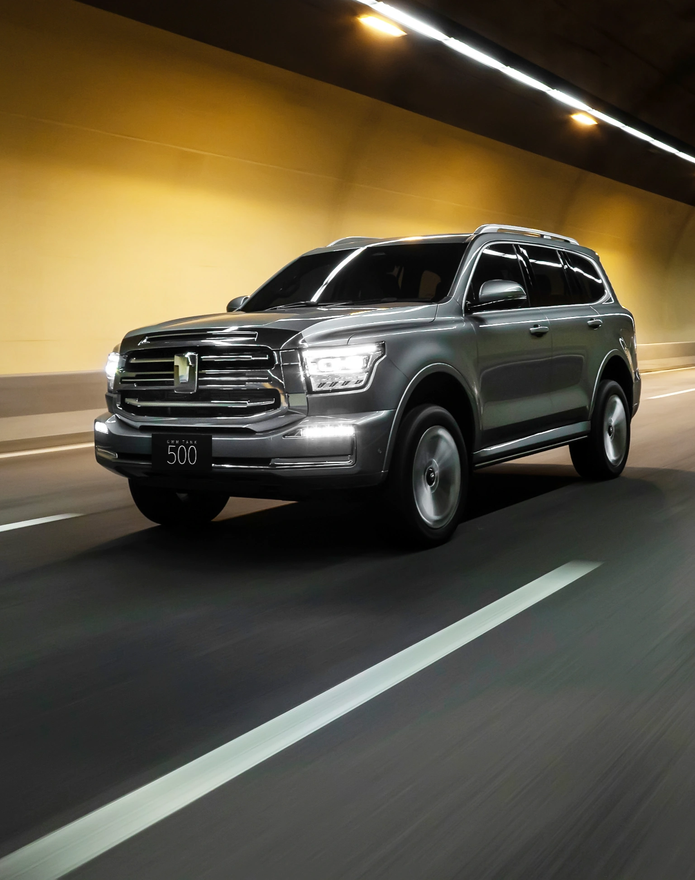

If you’ve been shopping for a large SUV that can handle a family road trip, tow a boat, and still climb a rocky trail without breaking a sweat, chances are the GWM Tank 500 has already crossed your radar. GWM (Great Wall Motors) built a name for itself with rugged, no-nonsense off-roaders, and the Tank 500 is its flagship attempt at combining that toughness with genuine comfort and modern tech. Now there’s a hybrid version, the Tank 500 HEV, and it’s worth understanding what it actually brings to the table before you decide if it’s the right SUV for you.
This article breaks down the engine, performance figures, interior, features, ride quality, and how it stacks up against rivals, so you can figure out whether the Tank 500 HEV deserves a spot on your shortlist.
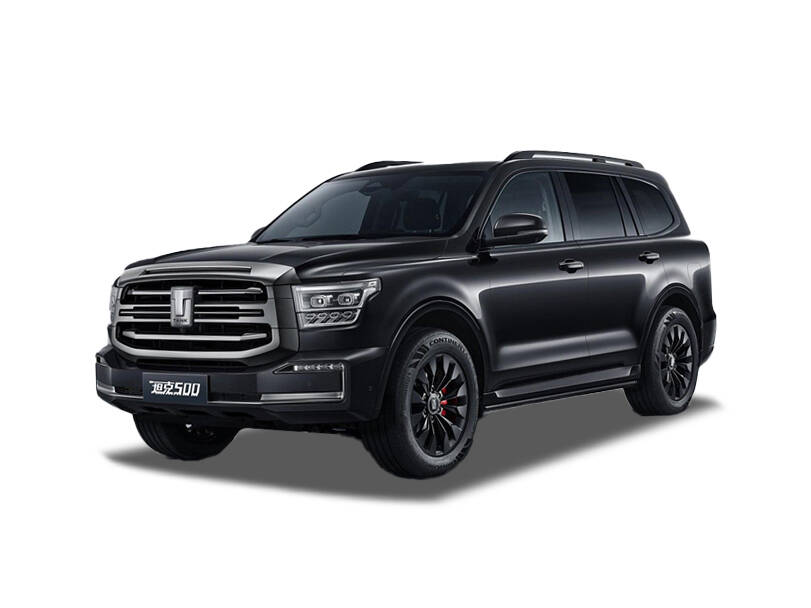
What Is the GWM Tank 500 HEV?
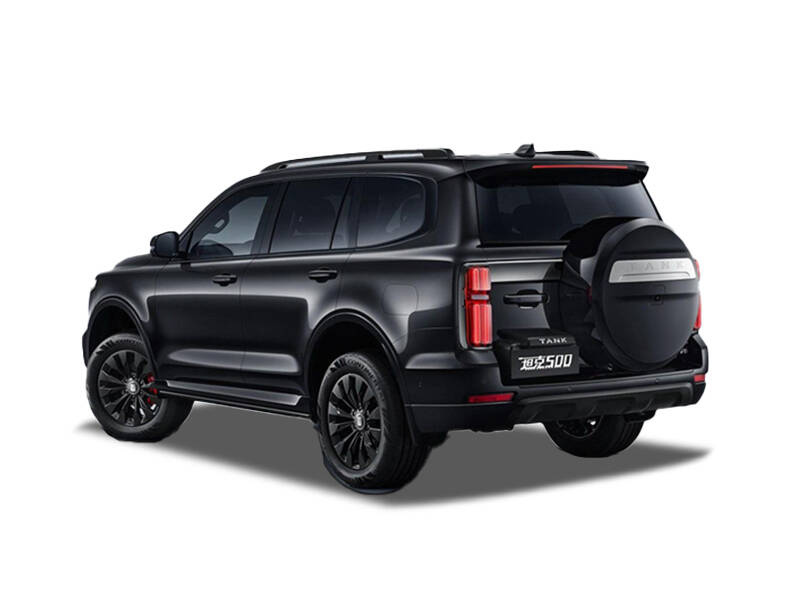
The Tank 500 HEV is the hybrid-electric variant of GWM’s full-size Tank 500 SUV. Where the standard model relies purely on a turbocharged petrol or diesel engine, the HEV pairs a 2.0-liter turbocharged petrol engine with an electric motor. Together, they produce a combined output of 345 horsepower and 648 Nm of torque, numbers that put this SUV firmly in the same conversation as larger, more established luxury off-roaders from Toyota, Land Rover, and Jeep.
This isn’t a plug-in hybrid that needs to be charged from a wall socket. It’s a self-charging hybrid system, meaning the battery tops itself up through regenerative braking and the petrol engine, so there’s no extra cable to carry around or charging station to hunt down. For buyers who want the fuel savings and extra punch of electrification without changing how they refuel, that’s a meaningful selling point.
Engine and Performance Breakdown
Let’s get into the numbers, because they tell a good part of the story here.
The 2.0-liter turbo petrol engine works alongside an electric motor, and the combination is what produces that 345 horsepower and 648 Nm of torque figure. For context, that torque number is genuinely high for this class of vehicle. It’s the kind of output you’d expect from a much larger V6 or a diesel engine with significantly more displacement, not a four-cylinder unit.
That torque matters more than the horsepower figure in day-to-day driving. It’s what gives the Tank 500 HEV its shove off the line, its ability to pull a loaded trailer up an incline, and its confidence when you need to overtake on a highway. Electric motors deliver their torque almost instantly, so the hybrid setup fills in the low-end power that turbocharged petrol engines sometimes lack before the turbo spools up. The result is a big SUV that doesn’t feel sluggish, even though it’s carrying a lot of weight.
Power is sent through a nine-speed automatic transmission and a four-wheel-drive system with a proper low-range gearbox, which tells you GWM didn’t design this as a soft-roader for the school run only. It’s built to be capable off-road while still being smooth and quiet on the daily commute.
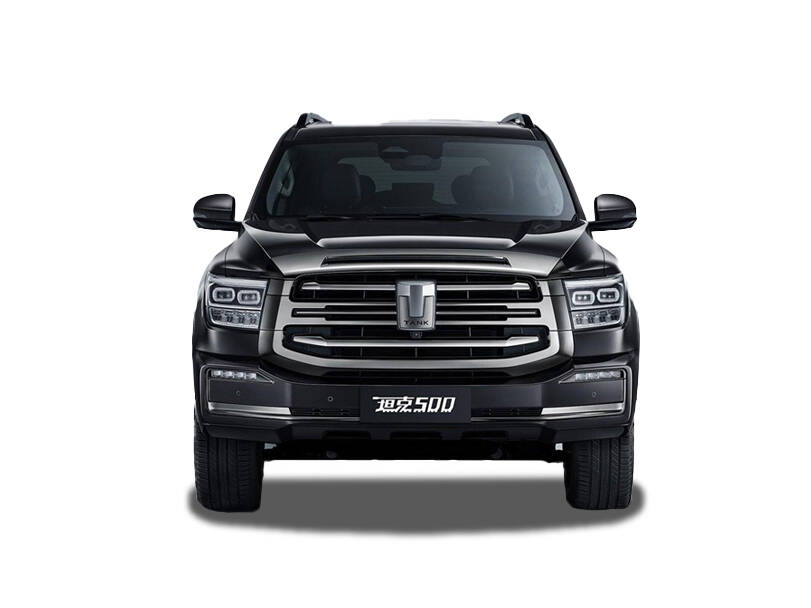
Fuel Efficiency: The Real Reason to Consider the Hybrid
Most people looking at a hybrid version of a big SUV are doing it for one reason: fuel savings. The Tank 500 HEV is a heavy vehicle, likely tipping the scales at around 2.5 tonnes, so it was never going to sip fuel like a compact hatchback. But compared to the standard petrol Tank 500, the hybrid system noticeably cuts down on fuel consumption, particularly in city driving and stop-start traffic where the electric motor can take over more of the workload.
On the highway, the difference is smaller since the petrol engine does most of the heavy lifting at a constant cruising speed. But around town, where a lot of large SUVs really struggle with fuel economy, the hybrid system earns its keep. If your daily driving involves a lot of traffic, school runs, or short trips, the fuel savings over a year can add up to a fairly noticeable amount.
Interior and Comfort
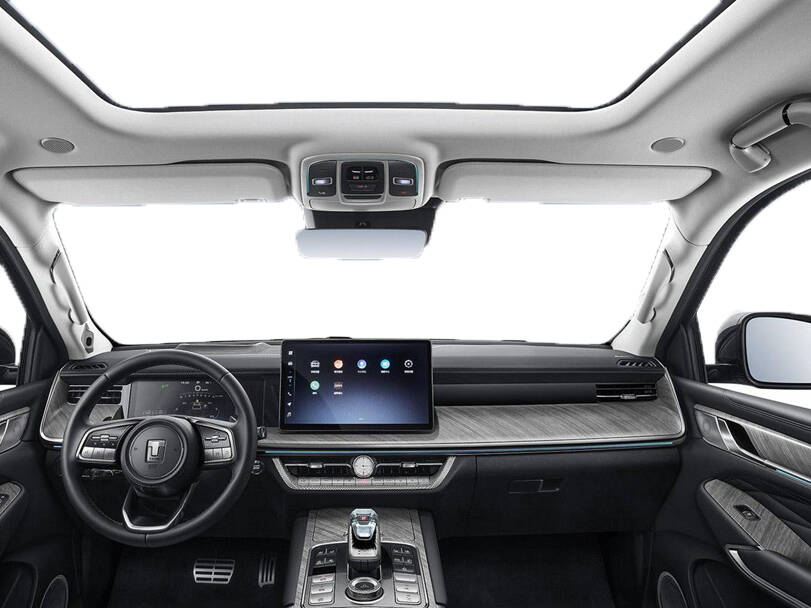
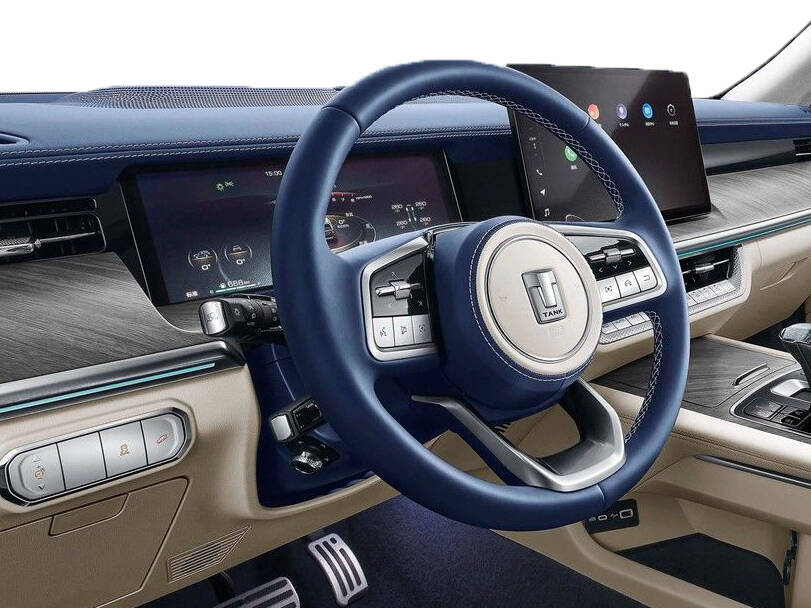
GWM has clearly put effort into making the Tank 500’s cabin feel premium rather than purely functional. Inside, you’ll find materials that feel a step above what you might expect at this price point, including leather or leather-style upholstery, soft-touch surfaces on the dashboard and door panels, and a general sense that this is meant to compete with SUVs from brands with a much longer luxury pedigree.
The dashboard is dominated by two large screens, one for the digital instrument cluster and one for the central infotainment system. Both are sharp, responsive, and reasonably easy to navigate once you get used to the menu layout. There’s wireless smartphone connectivity in most trims, along with a decent sound system that suits long drives.
Space is one of the Tank 500’s strong points. This is a genuinely large SUV, and it usually seats seven across three rows, though the third row is best reserved for kids or shorter trips rather than adults on a long haul. Second-row passengers get plenty of legroom and headroom, and the boot space with the third row folded down is generous enough for a family’s worth of luggage.
Ride comfort benefits from the hybrid setup too. The electric motor helps smooth out some of the power delivery, and the added weight of the battery pack, while not ideal for outright agility, does help settle the ride on rougher roads. It’s not a vehicle built for sharp cornering, but that was never really the point. This is an SUV meant to feel composed on a long drive and planted when the tarmac runs out.
Off-Road Capability
GWM built its reputation on rugged vehicles, and the Tank 500 HEV hasn’t lost that DNA despite the added electrification. It still comes with a proper four-wheel-drive system, a low-range transfer case, and locking differentials on higher trims, which are features you genuinely need for serious off-roading rather than just marketing checkboxes.
Ground clearance, approach and departure angles, and wading depth are all competitive with established off-road SUVs in this class. The hybrid system doesn’t compromise this capability either. If anything, the instant torque from the electric motor can help with low-speed maneuvering over rocks or through mud, where precise throttle control matters more than raw horsepower.
Buyers who want a genuine all-terrain SUV that can also serve as a comfortable family hauler will find the Tank 500 HEV checks both boxes reasonably well, which isn’t something you can say about every large SUV on the market.
Safety and Driver Assistance Features
Modern buyers expect a full suite of driver assistance systems, and GWM has kept pace here. Depending on the trim level, the Tank 500 HEV typically includes:
- Adaptive cruise control
- Lane keeping assistance
- Automatic emergency braking
- Blind spot monitoring
- 360-degree camera system
- Multiple airbags
- Rear cross-traffic alert
These features bring the Tank 500 HEV in line with what buyers expect from rivals at a similar or even higher price point. The 360-degree camera system in particular is genuinely useful given the vehicle’s size, helping with parking and tight maneuvers that would otherwise be tricky in a vehicle this large.

How Does It Compare to Rivals?
The obvious comparisons here are the Toyota Land Cruiser Prado, the Toyota Fortuner, the Jeep Grand Cherokee, and even the Land Rover Defender at certain trim levels. Against these rivals, the Tank 500 HEV holds its own in a few key areas.
On power and torque, it actually beats most of these competitors. That 648 Nm figure is higher than what you’ll get from a standard Prado or Fortuner, and it’s competitive even against some six-cylinder engines from premium brands. On interior tech and features, the Tank 500 HEV often comes better equipped as standard, without needing to climb into the most expensive trim levels to get things like a panoramic sunroof or a premium sound system.
Where it may fall short is brand reputation and resale value. GWM is still a relatively new name in many markets outside China, and buyers who prioritize long-term resale value or an established dealer network with decades of parts availability might lean toward Toyota or another more established brand. That’s a fair consideration, and it’s worth weighing against the value the Tank 500 HEV offers on day one.
Pricing is another area where the Tank 500 HEV tends to have an edge. It’s generally positioned to undercut many of its direct rivals while offering more standard equipment, which makes it an attractive option for buyers who want a fully loaded large SUV without paying premium brand prices.
Who Should Consider the Tank 500 HEV?
This SUV makes the most sense for a specific type of buyer. If you need genuine off-road capability, want a spacious and well-equipped cabin, and would like some fuel savings without the hassle of plugging in a vehicle every night, the Tank 500 HEV lines up well with those priorities.
Families who split their time between city driving and weekend trips to the countryside or coast will likely appreciate the balance this SUV strikes. It’s comfortable enough for daily use but capable enough that a gravel road or a rough campsite track won’t cause any concern.
On the other hand, if you rarely leave paved roads and don’t care about off-road ability, there are more efficient and possibly cheaper options built purely for city and highway use. The Tank 500 HEV’s strengths are somewhat wasted if you never plan to use its four-wheel-drive system or low-range gearbox.
Potential Drawbacks to Keep in Mind
No vehicle is perfect, and it’s worth being upfront about a few things. The Tank 500 HEV’s size and weight mean it’s not the most nimble vehicle in traffic or tight parking situations, even with the camera systems helping out. Fuel economy, while better than the non-hybrid version, still won’t match smaller crossovers or sedans, simply because of how much vehicle there is to move around.
Brand new technology can also come with a learning curve, both for owners getting used to the infotainment system and for service centers that may still be building up experience with GWM’s hybrid drivetrains. If you’re someone who wants a vehicle with a long, well-documented service history, this is a newer entrant, so there’s inherently less long-term data available compared to a Land Cruiser that’s been refined over decades.
Final Thoughts
The GWM Tank 500 HEV is a genuinely capable large SUV that backs up its size with real performance numbers. A combined 345 horsepower and 648 Nm of torque from its 2.0-liter turbocharged petrol and electric motor pairing puts it ahead of several established rivals on paper, and that power translates well into real-world driving, whether you’re merging onto a highway or crawling over rocks on a trail.
Add in a well-equipped interior, a strong list of safety features, genuine off-road hardware, and pricing that tends to undercut the competition, and it’s easy to see why this SUV is generating interest from buyers who want more for their money. It won’t suit everyone, particularly those who value long-established brand history above all else, but for buyers who want a spacious, powerful, and reasonably efficient large SUV, the Tank 500 HEV is worth a serious look and a test drive before you make a final decision.
Frequently Asked Questions
What engine does the GWM Tank 500 HEV use? It uses a 2.0-liter turbocharged petrol engine paired with an electric motor, producing a combined 345 horsepower and 648 Nm of torque.
Does the Tank 500 HEV need to be plugged in to charge? No. It’s a self-charging hybrid, meaning the battery charges through regenerative braking and the petrol engine. There’s no need to plug it into an outlet or charging station.
Is the Tank 500 HEV good for off-roading? Yes. It comes with a four-wheel-drive system, a low-range transfer case, and, depending on trim, locking differentials, making it capable of genuine off-road driving rather than just light gravel roads.
How many people can the Tank 500 HEV seat? It typically seats seven across three rows, though the third row is better suited to children or shorter trips rather than full-size adults over long distances.
Is the Tank 500 HEV more fuel efficient than the standard Tank 500? Yes, particularly in city and stop-start driving, where the electric motor reduces how often the petrol engine needs to work. The difference is smaller on the highway.

