
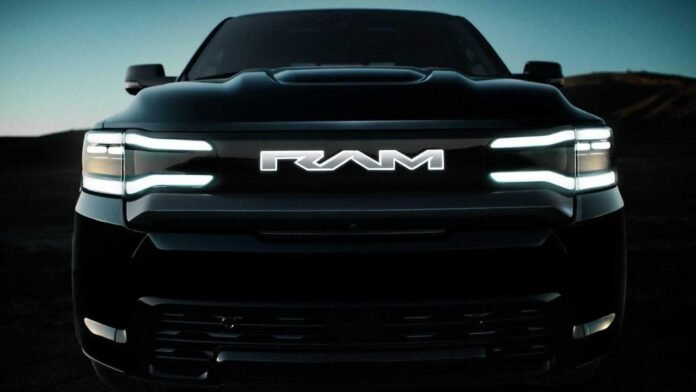

The RAM 1500 REV was meant to be a key player in the electric vehicle (EV) truck market. Introduced with much fanfare in 2023, it was scheduled to be released in 2024. However, after multiple delays and eventual scrapping of the project, the electric RAM 1500 REV became one of the most talked-about vehicles that never made it to production. In this article, we’ll explore why the RAM 1500 REV failed to take off, how the automotive industry’s shifting focus on hybrid pickups affected the project, and what RAM might be planning for the future.
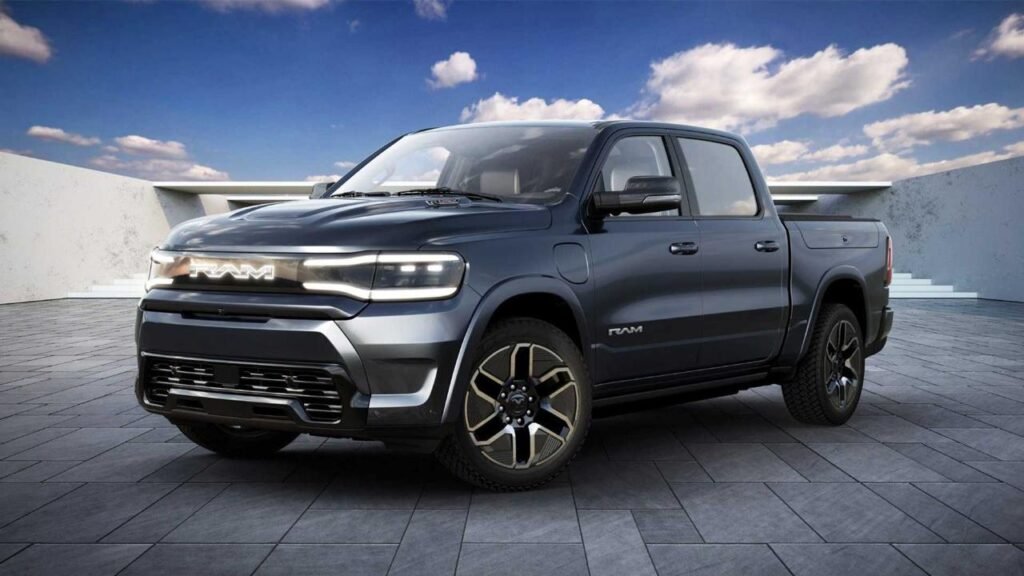
What Was the RAM 1500 REV?
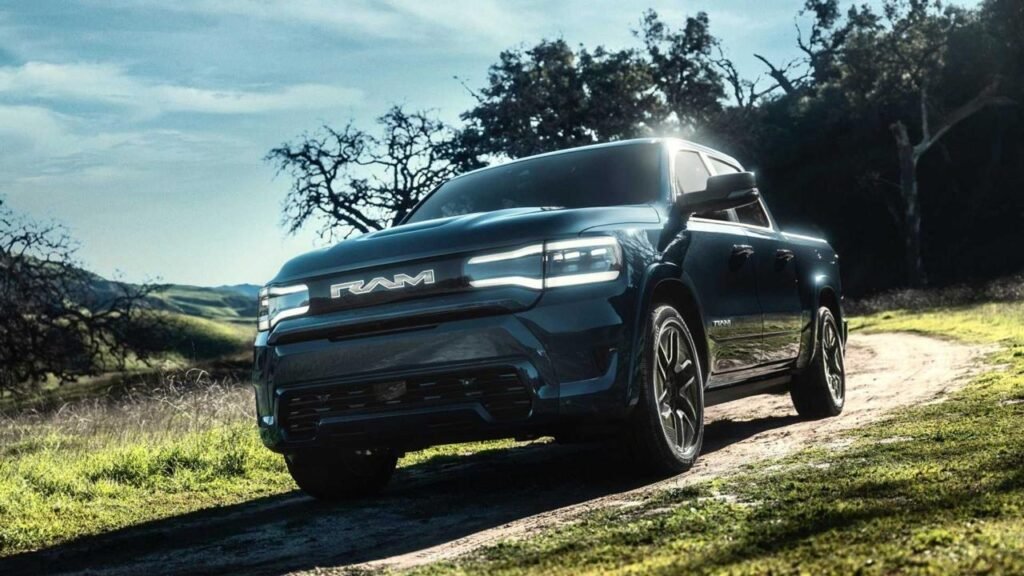
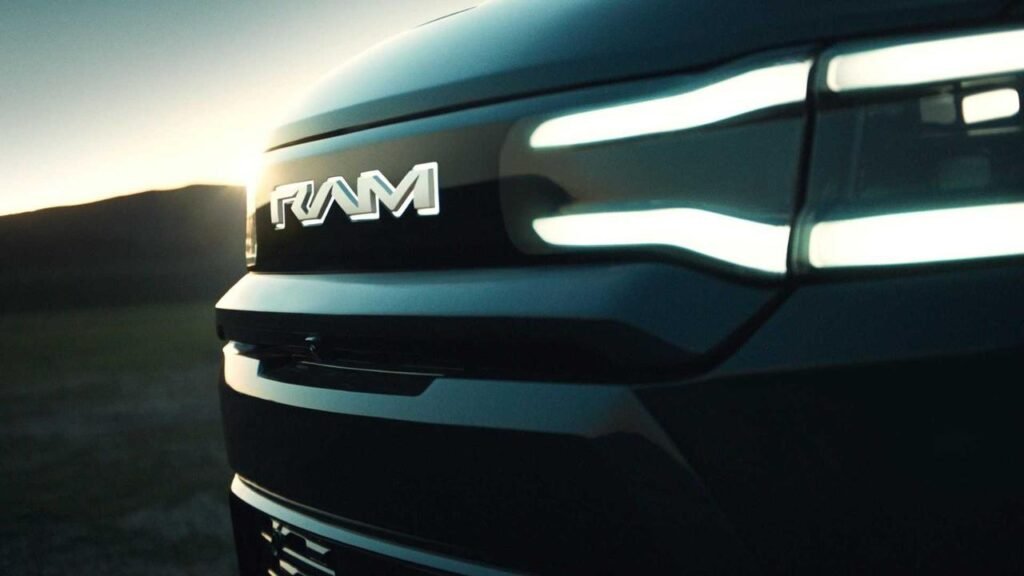
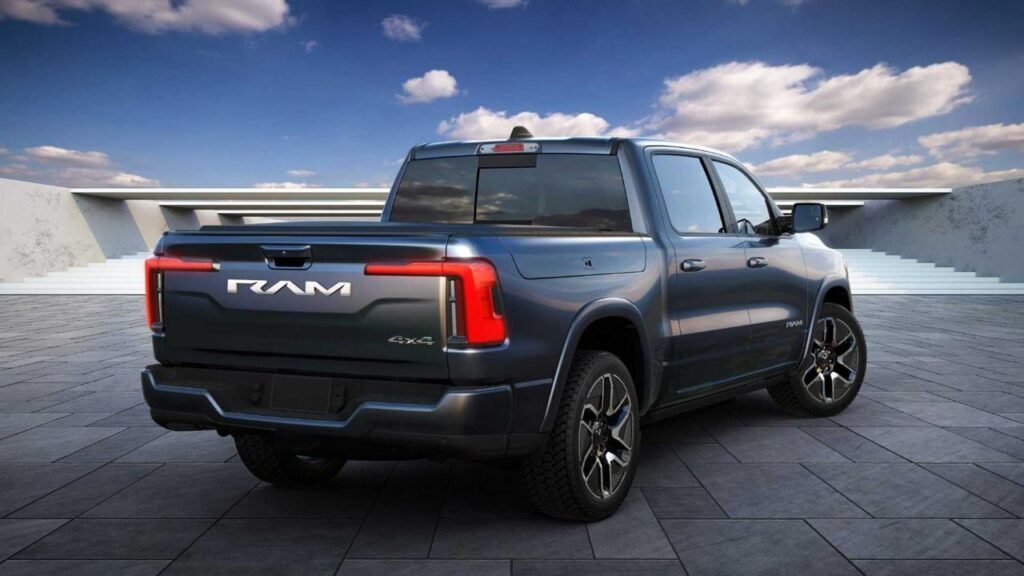
The RAM 1500 REV was supposed to be an all-electric pickup truck, aiming to compete with electric versions of the Ford F-150, such as the Ford F-150 Lightning, and the Chevrolet Silverado EV. Its release was highly anticipated, with promises of impressive power, range, and innovative features. The 1500 REV was expected to carry RAM’s legacy of rugged performance into the future, with zero emissions.
The initial concept came out in 2023, showing an electric pickup that combined RAM’s signature tough design with the latest EV technology. It featured a roomy cabin, towing capabilities, and a futuristic powertrain—all packaged into the same durable, powerful design the RAM 1500 is known for. Enthusiasts and industry experts alike were eager to see how this truck would change the landscape of electric pickups. But by 2026, the dream had faded, and RAM decided to pull the plug on the project altogether.
The Promise and the Reality of the RAM 1500 REV
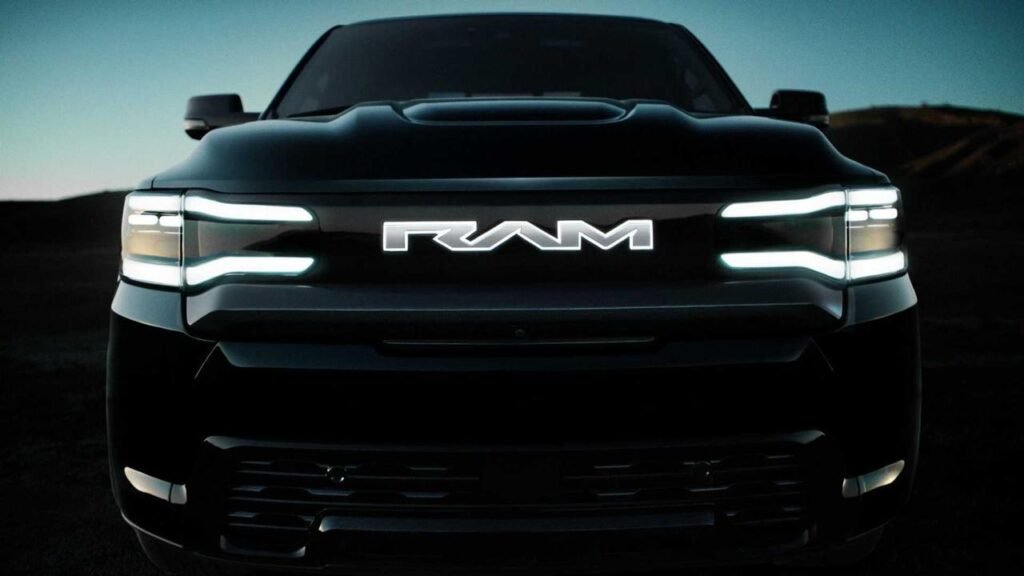
When the RAM 1500 REV was first announced, it came with high expectations. As the electric vehicle market rapidly grew, there was a clear demand for electric pickups that could rival traditional gas-powered trucks in terms of capability. The RAM 1500 REV was supposed to meet that need, combining the versatility of RAM trucks with the sustainability of an EV.
Despite its promising concept, the production of the 1500 REV faced numerous hurdles. From the beginning, the company encountered difficulties with sourcing batteries that could offer the same range and towing capacity that RAM customers expected. Early prototypes revealed that the range and towing abilities were far from what was initially promised, and this caused concern within the company.
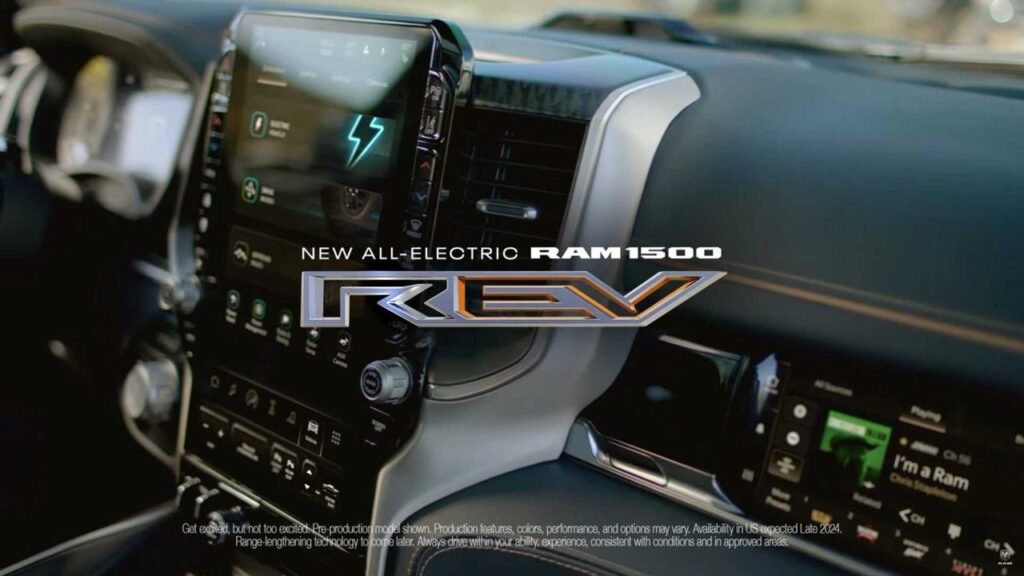
Furthermore, RAM’s push for advanced technology seemed to clash with the real-world needs of truck buyers. Many potential customers were more concerned with things like durability and towing capacity than they were with fancy tech features. This misalignment between the promise and what the market was ready to adopt may have contributed to the eventual cancellation of the project.
The Decision to Focus on Hybrid Pickups
By the time 2024 rolled around, it became clear that the full electric RAM 1500 REV was not going to hit the market as expected. Instead, RAM made a strategic decision to shift focus away from fully electric pickups in favor of hybrid models. This wasn’t a sudden change, but rather a response to market demands and the realities of the automotive industry’s transition to cleaner vehicles.
Hybrid trucks, which use both gasoline and electric power, offered a balance between the familiar performance of traditional trucks and the benefits of reduced emissions. RAM believed that hybrids would resonate more with their customer base, who were more accustomed to conventional trucks and less inclined to embrace the full EV transition at this stage.
Hybrids also solved some of the range and performance issues that plagued the electric RAM 1500 REV. While fully electric trucks still have to contend with limited range, hybrids benefit from the backup power of a traditional internal combustion engine, allowing for more flexibility, especially in remote areas where charging stations are sparse. This made hybrids a more practical choice for those who needed a truck that could handle heavy-duty tasks without worrying about running out of power.
RAM’s decision reflected a broader industry trend. Many automakers, including Ford and General Motors, chose to expand their hybrid offerings while pushing the rollout of electric models further into the future. These hybrid pickups were not only seen as a way to transition gradually into the EV market but also to meet the increasing demand for trucks that could offer power, versatility, and sustainability without requiring a complete overhaul of the existing infrastructure.
The Shifting Landscape of Electric Vehicles
The delay and eventual cancellation of the RAM 1500 REV didn’t just signal a setback for RAM—it also highlighted the challenges the entire automotive industry faces when transitioning to electric vehicles. EVs, while gaining popularity, are still in a period of rapid development. Range anxiety, charging infrastructure, and performance concerns remain barriers for many potential buyers, particularly those in the truck market, where power and capability are essential.
Moreover, the push for all-electric trucks has to contend with the reality of consumer habits. Pick-up truck owners are often used to trucks that can haul heavy loads over long distances without worrying about running out of juice. The idea of a truck with limited range or slow charging times doesn’t sit well with a large portion of the market.
The hybrid solution, then, offers a middle ground. By combining the best of both worlds, hybrids address the limitations of electric powertrains while also offering the environmental benefits of electricity. This shift to hybrid trucks may very well be the future of pickups in the near term, especially in the absence of a robust nationwide charging infrastructure.
The Legacy of RAM’s V8 and the RAM TRX
The RAM 1500 REV’s failure to make it to production doesn’t mean the end of RAM’s presence in the performance truck market. In fact, RAM has hinted at the return of the beloved V8 engine in future models. The V8 has been a hallmark of RAM’s performance lineup for years, particularly in the RAM 1500 and the high-performance RAM TRX.
While the REV project was a setback, RAM’s commitment to performance and innovation is far from over. The RAM TRX, known for its extreme off-road capabilities and massive power, has a cult following and is one of the most potent pickups on the market. RAM is reportedly working on updates and new editions for the TRX, promising an exciting future for fans of the brand.
For those who were looking forward to a more eco-friendly future with the RAM 1500 REV, the revival of the V8 and the continued development of high-performance trucks like the TRX is a comforting reminder that RAM hasn’t forgotten its roots. While the focus is now on hybrids, the V8’s return offers a beacon of hope for those who value traditional performance.
What’s Next for RAM and Electric Trucks?
With the 1500 REV project officially shelved, the future of RAM’s electric truck lineup remains uncertain. However, the company is not entirely abandoning the EV market. Instead, it seems poised to take a more cautious approach, focusing on hybrid models for the time being while keeping an eye on the developing electric vehicle landscape.
As the demand for electric vehicles grows, RAM will likely revisit the concept of fully electric trucks once the technology, range, and infrastructure catch up with consumer expectations. It’s possible that the RAM 1500 REV will one day return, but it will need to be based on more mature technology, one that better meets the needs of traditional truck buyers while still offering environmental benefits.
RAM’s approach to hybrid pickups shows their awareness of the current market realities. While some manufacturers are pushing forward with full EV models, RAM appears to be taking the necessary time to get things right. Their goal is to offer a product that can meet the needs of a broad customer base while preparing for the future of sustainable driving.
In the meantime, RAM’s hybrid trucks will continue to provide an attractive option for those who want the power and versatility of a traditional pickup but with the added benefit of improved fuel efficiency and reduced emissions.
Conclusion
The RAM 1500 REV may have been one of the most anticipated electric trucks in recent years, but its failure to make it to production reveals just how challenging it is to balance customer expectations with new technology. While fully electric pickups are on the horizon, the RAM 1500 REV won’t be part of that wave. Instead, RAM is focusing on hybrids, which combine the best of both worlds for now.
As electric and hybrid vehicles continue to evolve, it’s clear that the future of trucks will likely involve a combination of old and new technology. RAM’s legacy in performance will continue, with models like the V8 and RAM TRX leading the charge, while electric and hybrid options gradually take their place in the lineup. Whether or not the RAM 1500 REV ever sees the light of day, RAM’s commitment to innovation and power remains as strong as ever.

