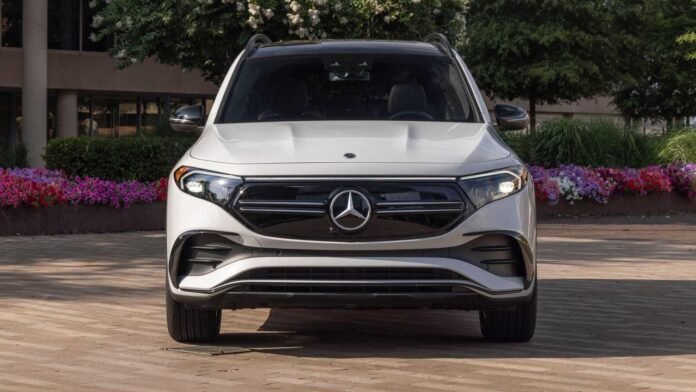

The Mercedes-Benz EQB was launched in 2021 as the electric version of the popular GLB SUV. Despite entering the growing electric vehicle (EV) market with all-wheel drive, decent range, and a luxury brand backing it, the EQB lasted only until 2025. Its brief lifespan raised some questions about why this electric SUV didn’t catch on, and whether it made enough of an impact to be remembered. While the Mercedes EQB offered solid features and performance, it quietly ended its production with little fanfare. Let’s dive into why the EQB struggled to make a lasting impact and what its short run means for the future of electric SUVs.
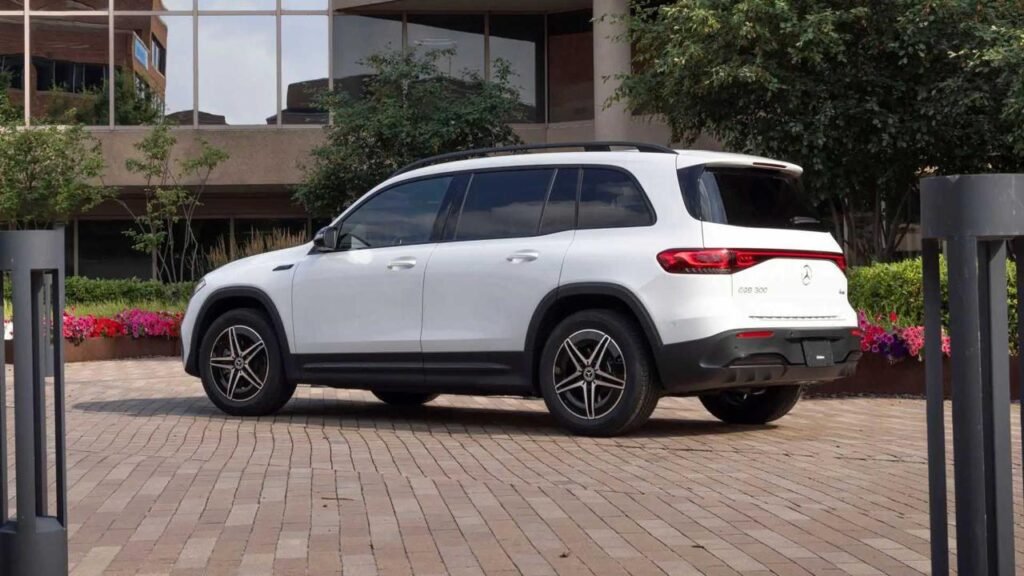
The Launch of the Mercedes-Benz EQB: Mercedes’ First Compact Electric SUV
In 2021, Mercedes-Benz aimed to make a splash in the electric SUV market by launching the EQB, a fully electric alternative to its GLB model. The EQB was designed to offer a luxury SUV experience with an eco-friendly electric powertrain. Built on the same platform as the GLB, the EQB carried the Mercedes-Benz badge, ensuring that it came with the comfort, luxury, and performance that the brand is known for.
For those looking to switch to an electric vehicle without giving up the versatility and utility of an SUV, the EQB offered a compelling package. Mercedes-Benz marketed it as a compact electric SUV with a starting price of $54,200, which placed it in the mid-range luxury EV category. But despite these attributes, the EQB quickly became overshadowed by competitors and eventually disappeared from the market in 2025. But why didn’t it succeed?
Key Features of the Mercedes-Benz EQB
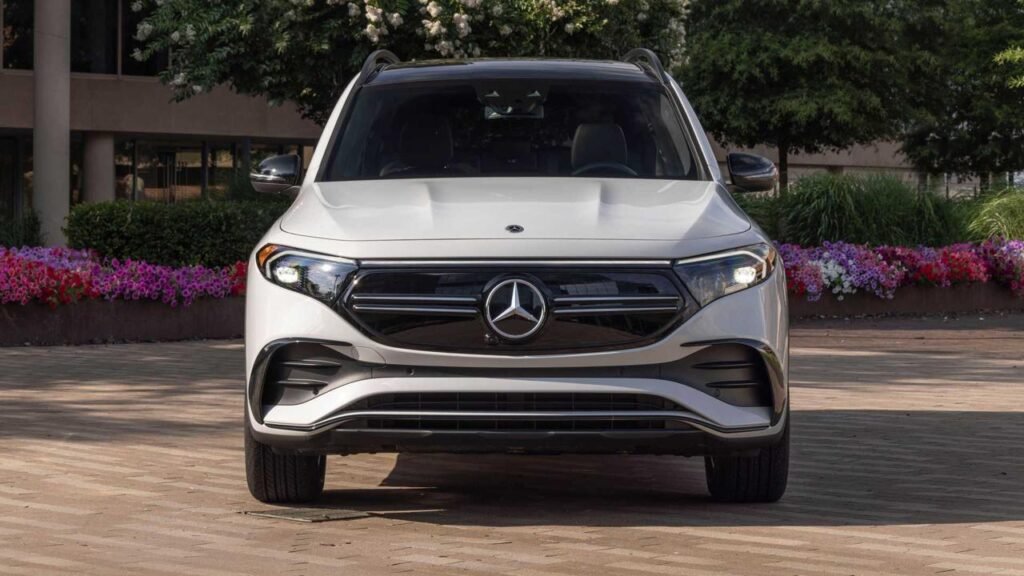
Before diving into why the EQB didn’t make a lasting impact, it’s important to highlight what it offered. The Mercedes-Benz EQB had several noteworthy features that made it a solid electric SUV option for those seeking luxury and practicality in one package.
- All-Wheel Drive (AWD):
The EQB came with an AWD system, making it a reliable choice for those in regions that experience inclement weather. The dual-motor setup provided instant torque and ensured better stability and traction, especially when driving on slippery or uneven roads. It was a well-rounded feature, especially for an electric vehicle, as it helped increase the overall capability of the EQB. - Electric Range:
With an estimated range of 320 km (199 miles) on a single charge, the EQB wasn’t the longest-range electric SUV, but it provided enough distance for most daily driving needs. For many buyers, a range of 320 km was perfectly adequate for commuting and weekend trips. However, when compared to competitors like the Tesla Model Y, which offers a range well above 500 km, the EQB’s range seemed relatively short. - Luxury and Comfort:
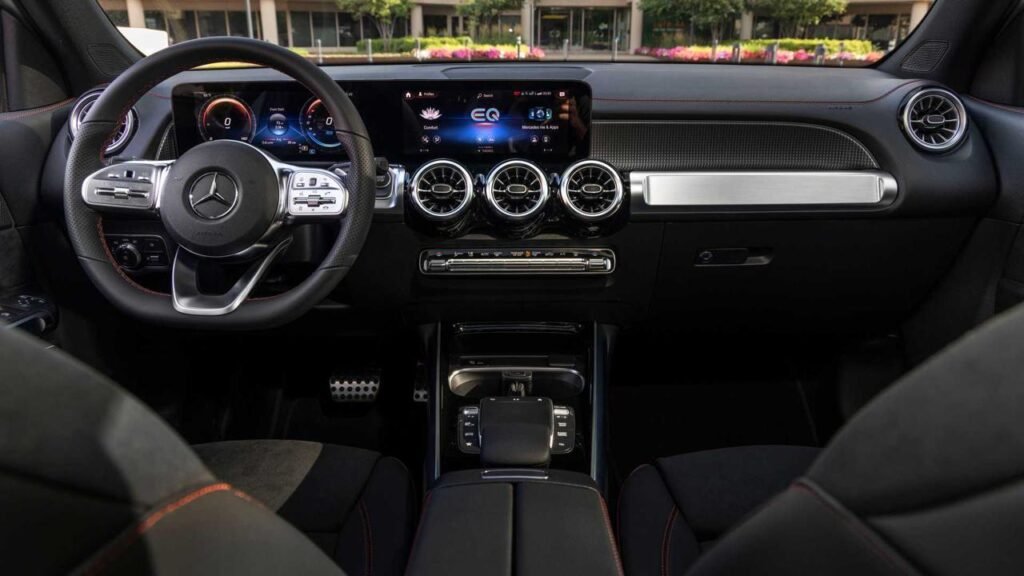
As expected from Mercedes-Benz, the EQB delivered a luxurious driving experience. Inside, the cabin featured high-end materials, a quiet and smooth ride, and the MBUX infotainment system. The system was intuitive and included features like voice controls and a large touchscreen, giving drivers a modern, high-tech interior experience. The EQB also offered ample passenger space and comfort for families, making it a suitable choice for those who needed an electric vehicle with practical size. - Compact SUV Design:
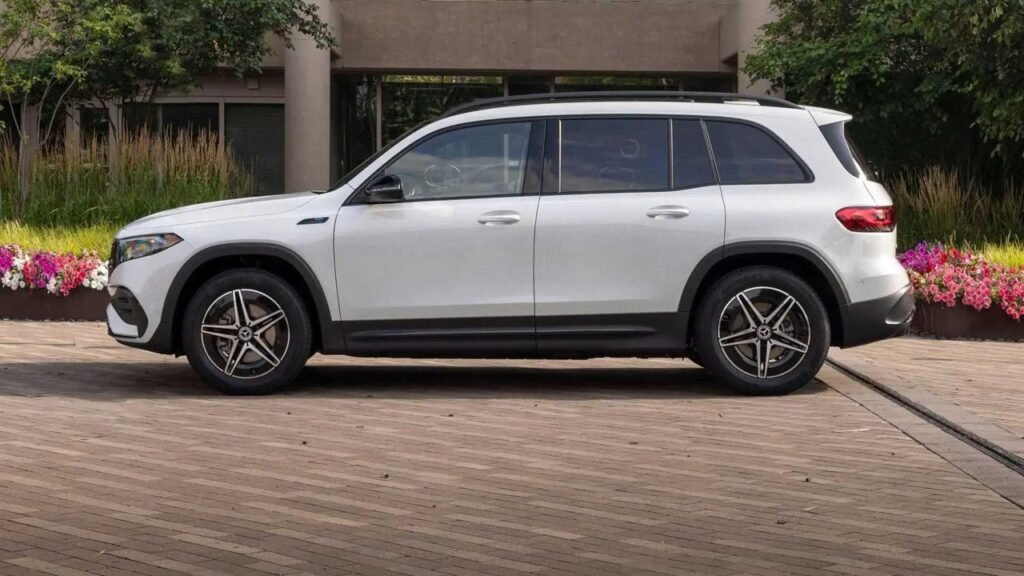
The EQB was classified as a compact SUV, which made it easier to maneuver in urban environments while still offering the utility and cargo space that many electric crossovers lacked. For those looking for a smaller electric vehicle that still had the presence of an SUV, the EQB was an attractive option. It provided more space than a typical sedan but didn’t come with the bulkiness of larger electric SUVs like the Audi e-Tron or BMW iX.
Why Didn’t the EQB Leave a Lasting Impact?
Despite these appealing features, the EQB was not able to capture the attention of a broad audience. There are several reasons why the Mercedes-Benz EQB didn’t succeed in the competitive electric vehicle market:
- Intense Competition in the Electric SUV Market:
The electric SUV market was already well-established by the time the EQB launched. By 2021, vehicles like the Tesla Model Y, Ford Mustang Mach-E, and Audi e-Tron were dominating the segment, offering impressive range, performance, and advanced features. Tesla, in particular, had already built a loyal following with its cutting-edge technology and long-range electric powertrains. In a crowded market, the EQB didn’t stand out enough to convince buyers to choose it over its more popular rivals. - Limited Electric Range:
One of the biggest drawbacks of the EQB was its 320 km (199 miles) range. While it was decent for daily use, it fell short compared to many of its competitors, which offered ranges of 400 km or more. For example, the Tesla Model Y Long Range offers a range of up to 525 km. With range anxiety still being a concern for many buyers, the EQB’s limited range made it less appealing to those who prioritized longer distances for road trips or commutes. - Pricing vs. Competition:
The EQB’s starting price of $54,200 placed it in a competitive price bracket, but it didn’t offer the same value proposition as other electric SUVs in the same price range. Tesla’s Model Y, for instance, offered better performance and a longer range, while the Ford Mustang Mach-E provided a similar price point with competitive features and higher range options. For some buyers, the EQB’s premium price wasn’t justified by its performance or range, making it less attractive compared to alternatives. - Not Enough Innovation:
The EQB didn’t offer any standout innovations that set it apart from the competition. While it featured luxury materials and an advanced infotainment system, it lacked the cutting-edge technologies and features that other electric vehicles had. For instance, the Tesla Model Y boasted advanced autopilot features, regular over-the-air updates, and a unique electric ecosystem, which made it a more compelling option for tech enthusiasts. The EQB didn’t bring any groundbreaking features that would make it a must-have for the tech-savvy consumer. - Brand Perception:
While Mercedes-Benz is a prestigious brand with a rich legacy, the EQB didn’t carry the same level of excitement or enthusiasm as other Mercedes models. Electric vehicles require a shift in mindset, and Mercedes-Benz was still largely associated with gas-powered luxury cars. Despite its luxury, the EQB didn’t bring enough of a revolutionary change to the electric SUV segment, leading to limited appeal.
What Does the End of the EQB Mean for Mercedes-Benz?
The EQB’s discontinuation wasn’t a failure for Mercedes-Benz; rather, it reflects the ever-changing dynamics of the electric vehicle market. Mercedes-Benz remains committed to electric mobility, as seen with the introduction of the EQS sedan and EQE. The EQB’s short run shows that the automaker is willing to experiment and learn from its products. With new electric models in the pipeline, Mercedes-Benz will likely continue to refine its approach to the electric market, ensuring future vehicles hit the right balance of performance, range, and technology.
Mercedes-Benz is investing heavily in electric mobility as part of its long-term strategy, and it’s clear that the brand will continue to evolve its offerings. While the EQB may not have succeeded in capturing the spotlight, it’s an important stepping stone for Mercedes-Benz’s future electric models, which will likely offer improved ranges, better technology, and more exciting innovations.
Conclusion: The End of the EQB, But Not the End of Mercedes-Benz’s Electric Future
The Mercedes-Benz EQB had a short life, but it played a role in the evolution of the brand’s electric vehicles. While the EQB didn’t capture the public’s imagination in the same way as some of its competitors, it showed that Mercedes was serious about entering the electric market. Its departure in 2025 marks the end of one chapter in the brand’s journey to electric mobility, but it’s not the end of the road for Mercedes-Benz.
As the market for electric SUVs continues to grow, expect to see even more ambitious models from Mercedes-Benz that will better meet the needs of today’s electric vehicle buyers. With future plans for more EV innovations and a strong commitment to sustainable driving, Mercedes-Benz is certainly not slowing down in its pursuit of electric excellence. While we say goodbye to the EQB, the brand’s future is looking brighter than ever in the electric vehicle space.