
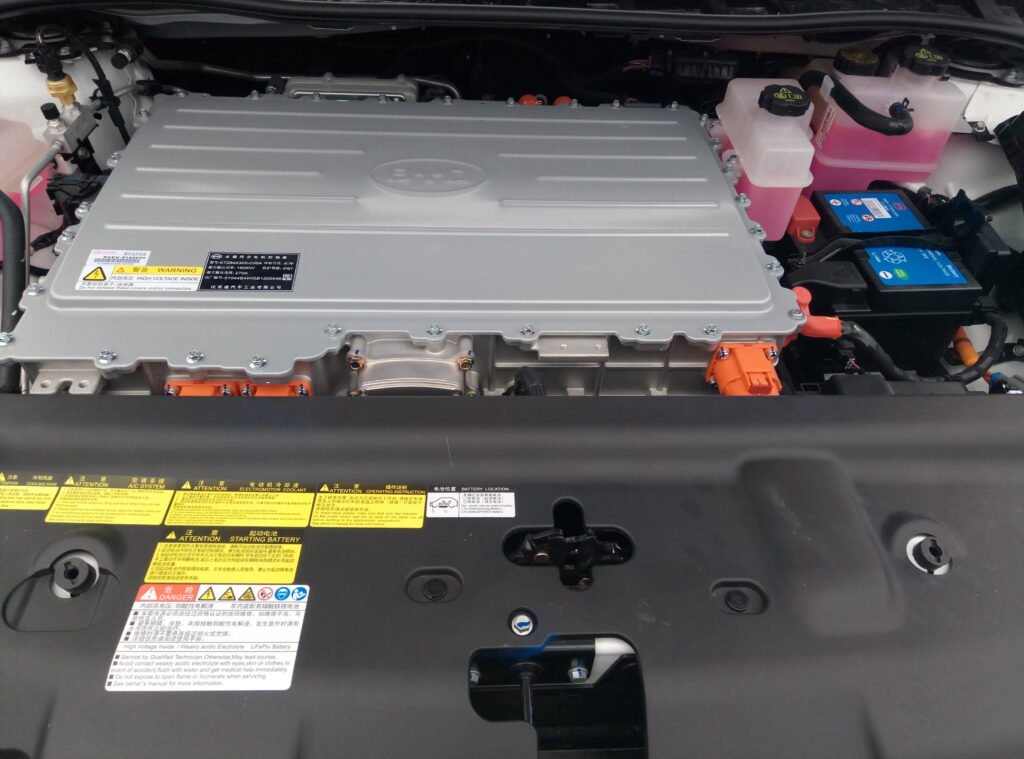
⚡ Quick Take: How Long Do Hybrid Car Batteries Last?
Modern hybrid car batteries typically last between 10 to 15 years, or 100,000 to 150,000+ miles under normal driving conditions. With routine cooling system maintenance and consistent driving habits, many advanced Nickel-Metal Hydride (NiMH) and Lithium-Ion (Li-Ion) battery packs comfortably reach 200,000 miles or more before experiencing significant degradation.
Few components in modern automotive engineering generate as much curiosity—and apprehension—as the high-voltage hybrid traction battery. Whether you are contemplating purchasing a brand-new hybrid crossover or evaluating a pre-owned hybrid that has already crossed six figures on its odometer, understanding battery degradation, life expectancy, warning indicators, and real-world replacement costs is paramount.
Automotive battery technology has evolved dramatically over the last two decades. The days of premature module failure and mysterious pack death are largely behind us. Modern Battery Management Systems (BMS), intelligent state-of-charge buffers, and advanced thermal management keep hybrid packs operating reliably far longer than traditional lead-acid auxiliary batteries. However, no battery cell is immune to chemical aging.
In this definitive technical pillar guide, our automotive engineering team analyzes exactly how long hybrid car batteries last, the fundamental physics governing their longevity, the 5 telltale signs that your battery is losing its storage capacity, realistic 2026 repair and replacement costs, and proven operational practices to maximize your hybrid powertrain’s lifespan.
1. How Hybrid Batteries Work: HEV vs. PHEV vs. Mild Hybrid
To appreciate why a hybrid battery lasts as long as it does, one must first recognize that a high-voltage hybrid traction battery does not operate like a smartphone battery or a full Battery Electric Vehicle (BEV) pack. While consumer electronics and dedicated EVs regularly undergo full charge-to-depletion discharge cycles (0% to 100%), hybrid vehicles employ conservative shallow-cycling algorithms specifically designed to prevent internal dendrite formation and electrolyte oxidation.
Depending on powertrain topology, modern electrified vehicles utilize three distinct configurations:
- Full Self-Charging Hybrids (HEVs): Vehicles like the GWM Haval H6 HEV automatic hybrid SUV and the heavy-duty GWM Tank 500 hybrid SUV utilize a compact traction pack ranging from 1.3 kWh to 2.0 kWh. These vehicles cannot be plugged into a wall outlet; instead, they capture kinetic energy during deceleration and engine over-generation, constantly shuttling electricity in and out of the battery within a tight 40% to 80% State of Charge (SOC) operating window.
- Plug-In Hybrid Electric Vehicles (PHEVs): Flagship models like the Volvo XC90 Black Edition plug-in hybrid and high-torque utility vehicles like the BYD Shark 6 hybrid pickup truck feature substantially larger battery packs (typically 14 kWh to 31 kWh). PHEVs offer 30 to 60+ miles of pure electric propulsion and can be recharged via Level 1 or Level 2 AC chargers. Because they experience deeper depth-of-discharge (DoD) cycles each day, their thermal management and chemistry demands are significantly more rigorous.
- Mild Hybrids (MHEVs): Operating on a 48-volt electrical architecture with a tiny 0.5 kWh battery, mild hybrids never propel the wheels via electricity alone. Instead, a belt-driven starter-generator assists the engine during initial takeoff, smooths out automatic engine start-stops, and captures minor kinetic braking. MHEV batteries undergo negligible cycle stress and frequently last the entire mechanical lifetime of the vehicle.

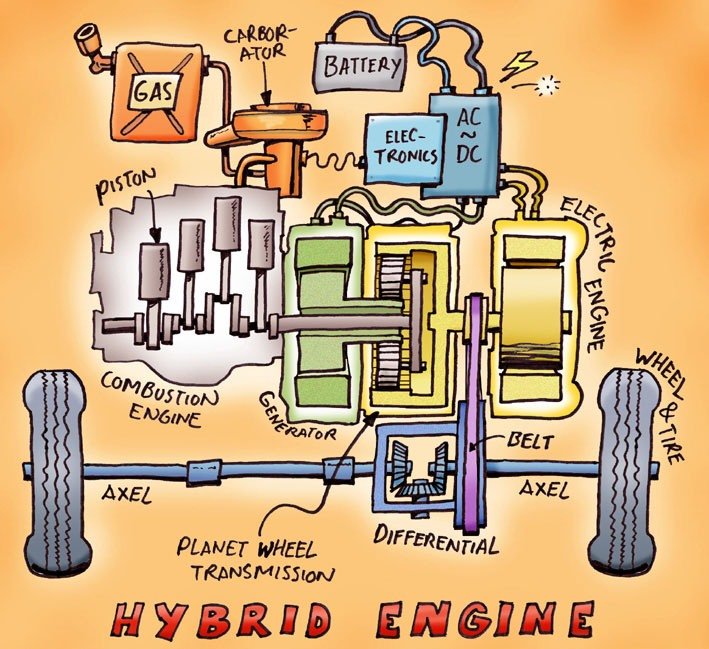
Figure 1: Schematic architecture of a full hybrid electric powertrain, demonstrating energy interchange between the internal combustion engine, electric motor-generator, high-voltage battery pack, and inverter system.
The Chemistry Secret: Why Shallow Cycles Equal Extreme Durability
Lithium-ion and nickel-metal hydride cells degrade primarily due to mechanical stresses induced during volume expansion and contraction as lithium ions or hydrogen atoms intercalate in and out of the electrode crystalline lattices. If a battery is charged to 100% and run down to 0%, chemical side-reactions—such as solid electrolyte interphase (SEI) layer growth, cathode cracking, and impedance buildup—accelerate rapidly.
Automotive hybrid engineers circumvent this vulnerability by implementing an invisible computer-governed buffer. Even when your vehicle’s instrument cluster indicates the battery is “Full,” the true physical state of charge rarely exceeds 80% to 82%. Conversely, when the dashboard gauge displays “Empty,” the battery actually maintains approximately 35% to 40% reserve capacity. By limiting the operational chemistry to this gentle “sweet spot,” the battery cells experience minimal thermal stress and can withstand hundreds of thousands of micro-cycles across 15 years of daily operation.
2. The 5 Telltale Signs of a Failing Hybrid Battery
Unlike a conventional 12-volt starter battery, which often dies abruptly on a cold winter morning without any prior warning, a high-voltage hybrid traction pack degrades gradually over thousands of miles. By recognizing the early mechanical and electrical symptoms of capacity loss, drivers can schedule proactive cell reconditioning before becoming stranded.
1. Noticeable Drop in Fuel Economy (MPG Loss of 10%–25%)
A hybrid vehicle achieves stellar fuel efficiency by storing energy during deceleration and using that stored power to propel the vehicle during low-speed crawling and acceleration. When individual battery modules suffer internal resistance increases and reduced amp-hour capacity, the hybrid computer can no longer rely on electric torque. Consequently, the internal combustion engine (ICE) is forced to ignite sooner, run longer, and burn extra gasoline simply to propel the chassis and recharge an inefficient battery. If your 50 MPG hybrid gradually slips down to 36–38 MPG under identical driving routes and ambient weather conditions, battery degradation is often the prime culprit.
2. Erratic State of Charge (SOC) Needle Fluctuations
Watch your digital dashboard’s battery charge indicator. In a healthy hybrid vehicle, the battery gauge fluctuates smoothly, gaining one or two bars during extended coasting or downhill regenerative braking, and shedding bars gradually during electric acceleration. In a dying battery pack, cell internal resistance spikes. The voltage will soar artificially high under light charging, causing the gauge to jump from two bars to full in under sixty seconds. Conversely, a brief five-second acceleration onto a freeway ramp can cause the indicator to plummet straight to empty. This “yo-yo” behavior proves that the pack has lost its effective storage capacity.
3. The Gasoline Engine Runs Continuously (Failure to Enter EV Mode)
Under normal parameters, a warm hybrid vehicle will automatically switch off its gas engine at red lights, during parking lot maneuvers, and while coasting between 25 and 45 MPH. When the battery cells cannot hold sufficient charge to support vehicle electronics and auxiliary climate compressors, the internal combustion engine refuses to shut off. You will notice the engine idling loudly at stoplights and running continuously even when your foot is completely off the throttle.
4. Loud, Non-Stop Battery Cooling Fan in the Rear Cabin
Nearly all full-hybrid vehicles incorporate a dedicated 12V squirrel-cage cooling fan mounted adjacent to the rear passenger seat cushion or under the cargo load floor. This fan pulls conditioned cabin air across the high-voltage battery modules. As battery cells age, their internal electrical resistance rises according to Joule’s first law ($P = I^2 R$). High resistance creates excessive heat during normal charging. If you hear a loud, hair-dryer-like whirring sound originating from the rear seats that runs continuously, the battery management computer is desperately attempting to cool down dangerously overheating modules.
5. Dashboard Warning Lights & Diagnostic Trouble Codes (DTCs)
When module delta voltage exceeds manufacturer tolerances (typically a difference greater than 0.20V to 0.30V between adjacent cell blocks under load), the Battery Energy Control Module (BECM) triggers warning illuminations. On Toyota and Lexus models, you will encounter the dreaded “Check Hybrid System” message alongside the Master Warning Triangle. Standard OBD-II diagnostics will register universal diagnostic trouble codes:
- P0A80: Replace Hybrid Battery Pack (Universal SAE code indicating general pack degradation).
- P0A7F: Hybrid Battery Pack Deterioration (Battery capacity below threshold).
- P3000 / P3006: Battery Control System Fault & Abnormal Delta State of Charge.

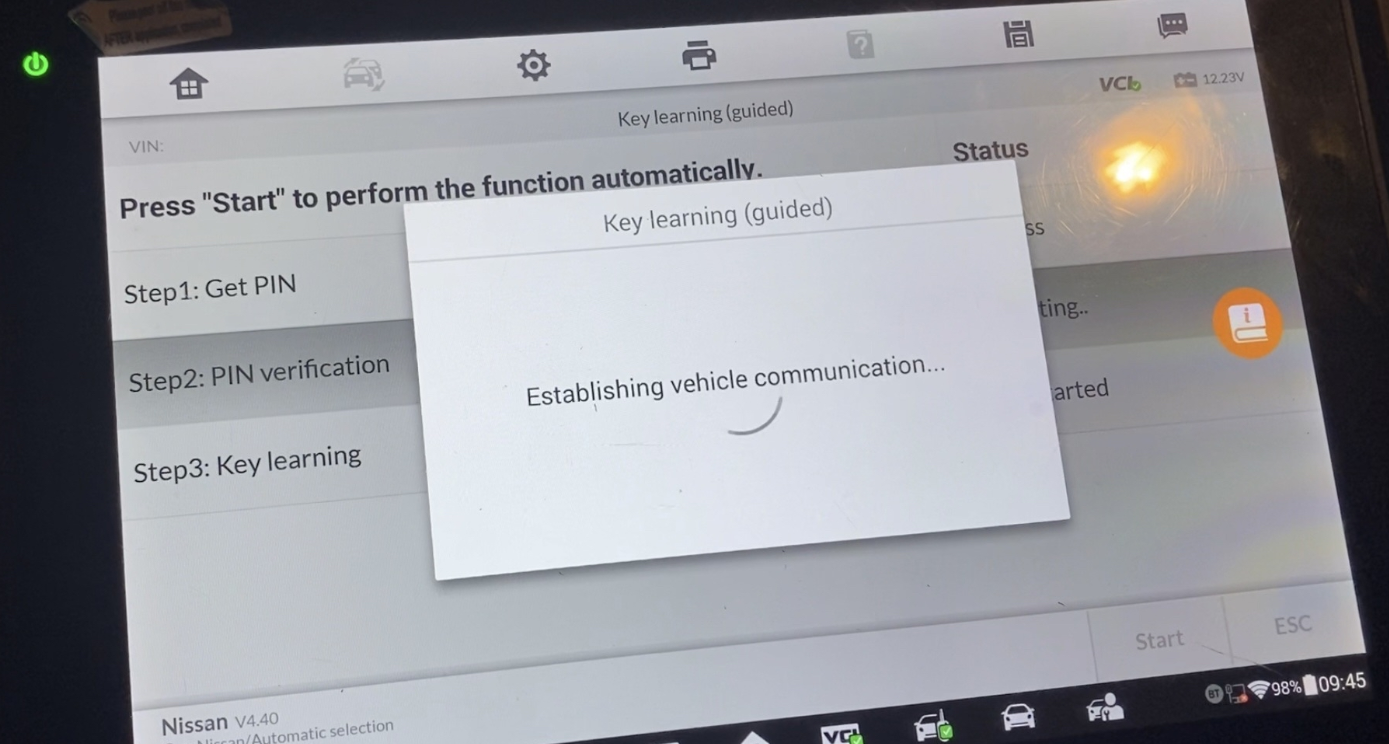
Figure 2: Certified automotive technician utilizing an advanced bidirectional scan tool to read high-voltage live module voltage deltas and internal resistance values.
3. Real-World Lifespan Breakdown by Popular Models
Lifespan expectations vary based on battery cell chemical composition, vehicle curb weight, duty cycle, and thermal cooling design. Below is our comprehensive empirical benchmark comparing expected service years, mileage thresholds, and primary battery chemistry across major market segments:
| Vehicle Model / Platform | Powertrain & Chemistry | Expected Lifespan (Years) | Realistic Mileage Expectancy | Factory Warranty Baseline |
|---|---|---|---|---|
| Toyota Prius / Camry Hybrid | HEV (NiMH & Li-Ion) | 12 – 15+ Years | 180,000 – 250,000 Miles | 10 Years / 150,000 Miles |
| GWM Haval H6 HEV | HEV (Ternary Lithium-Ion) | 10 – 12 Years | 120,000 – 160,000 Miles | 8 Years / 100,000 Miles |
| GWM Tank 500 HEV | HEV Heavy 4WD (Li-Ion) | 10 – 12 Years | 120,000 – 150,000 Miles | 8 Years / 100,000 Miles |
| Volvo XC90 T8 Recharge | PHEV (Liquid-Cooled Li-Ion) | 10 – 13 Years | 130,000 – 170,000 Miles | 8 Years / 100,000 Miles |
| BYD Shark 6 (DMO Platform) | PHEV (Blade Battery LFP) | 14 – 18+ Years | 250,000 – 300,000+ Miles | 8 Years / 100,000 Miles |
| Honda Accord / CR-V Hybrid | Two-Motor HEV (Li-Ion) | 12 – 15 Years | 160,000 – 220,000 Miles | 8 Years / 100,000 Miles |
Notice the distinct advantage exhibited by Lithium Iron Phosphate (LFP) configurations, such as BYD’s structural Blade Battery technology. LFP cells possess a highly stable olivine crystal structure that resists thermal runaway up to 500°C and comfortably handles over 3,000 to 5,000 full discharge cycles—equivalent to hundreds of thousands of miles of driving. In contrast, classic Nickel-Metal Hydride (NiMH) prismatic packs found in older Toyota designs boast incredible chemical stability across extreme temperature swings, though their volumetric energy density is significantly lower.
4. 2026 Hybrid Battery Replacement Cost Guide
Should your hybrid battery finally reach the end of its operational lifecycle, what should you expect to pay in 2026? A common misconception perpetuated by skeptics is that a battery replacement automatically totals the vehicle. While dealership quotes can be formidable, the aftermarket ecosystem has matured dramatically with competitive reconditioning, module replacement, and third-party warranty alternatives.
Brand New Factory Pack
Purchased directly from authorized dealership parts counters. Includes 100% brand-new factory cells, new busbars, and updated BMS hardware. Common compact models (e.g., Prius, Camry) cost $2,500 to $3,800, whereas large luxury PHEV packs (e.g., Volvo, BMW) can reach $6,500+.
Remanufactured Pack
Assembled by specialized battery remanufacturers (such as GreenTec Auto or Dorman). Packs are disassembled, cleaned, and rebuilt using balanced, high-capacity tested cells, accompanied by 1- to 3-year warranties with mobile on-site installation options.
Individual Cell Repair
A technician bench-tests each module, identifying the 1 or 2 specific failed cells causing the P0A80 DTC. The bad modules are swapped out with healthy matched donors. While economical, remaining aged cells may fail within 6 to 18 months.
Labor Costs & Installation Time
Replacing a hybrid traction battery is generally far less labor-intensive than replacing a transmission or head gasket. In most standard HEVs, the battery pack is secured beneath the rear seat bench or cargo floor. An experienced hybrid technician typically requires 2 to 4 hours of billable labor. At prevailing independent shop labor rates ($120 to $180 per hour), expect professional installation labor to add $300 to $650 to your overall bill. Many mobile reconditioning services bundle labor directly into their all-in pricing packages.
5. 5 Pro Tips to Extend Your Hybrid Battery Life
While every chemical battery experiences gradual thermodynamic aging, driver habits and routine maintenance make the difference between a pack that expires prematurely at 110,000 miles and one that thrives past 250,000 miles. Implement these five essential technical practices:
-
Inspect and Clean Cabin Cooling Intake Vents Every 15,000 Miles:
Heat is the number-one killer of hybrid battery modules. The air cooling intake vent located on the rear passenger door sill or seat base must remain completely unobstructed. Never place grocery bags, luggage, pet blankets, or seat covers over these vents. Furthermore, pet hair and carpet lint are constantly sucked into the intake duct, choking the cooling fan blades with a felt-like layer of debris. Regularly unclip the intake screen and vacuum the blower impeller. -
Avoid Prolonged Inactivity (Drive Your Hybrid at Least Once a Week):
Hybrid batteries detest sitting parked for months. While traditional automotive lead-acid batteries discharge slowly, individual nickel or lithium cells experience unequal internal self-discharge rates. When left parked for 6 to 12 weeks, cell balance drifts apart. When the car is finally started, the computer detects extreme cell delta voltages and locks out the pack with a P0A80 code. If going on extended vacation, arrange for someone to drive the vehicle for 20 minutes every couple of weeks. -
Park in Shaded Garages During Scorching Summer Heat:
Leaving a hybrid parked on black asphalt under direct 100°F (38°C) sun can drive cabin interior temperatures above 140°F (60°C). Because the battery resides inside the passenger compartment, ambient heat soaks directly into the battery case. When you start the vehicle, the cooling fan blows hot 140-degree air directly across the already overheated cells, degrading the electrolyte and blistering module seals. -
Maintain Inverter and Engine Coolant Loops on Schedule:
Modern hybrids utilize separate, dedicated cooling circuits for the high-voltage inverter/converter system. The electric water pump circulating inverter coolant must be checked for flow, and the specialized dielectric coolant must be flushed per factory intervals (typically every 100,000 miles). Overheated inverters generate unstable AC-to-DC conversion voltage, sending ripple current into the battery pack. -
Practice Smooth, Progressive Regenerative Braking:
Stamping aggressively on the brake pedal engages the hydraulic friction calipers rather than the electric motor generator, forfeiting valuable kinetic energy recovery. Conversely, executing long, smooth, predictable decelerations maximizes electric recuperation without causing instantaneous amp spikes that elevate cell temperatures.
6. Frequently Asked Questions (FAQ)
Q1: Can a hybrid car still drive if the hybrid battery is completely dead?
No, virtually all modern hybrid vehicles cannot drive if the high-voltage hybrid traction battery is completely depleted or chemically dead. Unlike conventional vehicles, hybrid cars do not have a traditional 12-volt starter motor or an alternator. Instead, Motor-Generator 1 (MG1) spins the gasoline engine to start it using high-voltage current (200V–650V) supplied directly by the hybrid traction battery. If the traction battery fails completely or the hybrid safety relay disconnects, the internal combustion engine cannot be cranked, and the transmission cannot engage drive gears.
Q2: Is it worth replacing the battery in a 10- or 12-year-old hybrid car?
In the vast majority of cases, yes. Hybrid vehicles from brands like Toyota, Lexus, Honda, and GWM are renowned for exceptional mechanical reliability in their combustion engines and planetary e-CVT gearboxes, which routinely surpass 250,000 to 300,000 miles without major failure. Investing $1,500 to $2,500 into a remanufactured battery pack restores full factory fuel economy and gives the vehicle another 5 to 8 years of dependable service—a fraction of the sales tax and depreciation of purchasing a replacement vehicle.
Q3: Can I replace a hybrid battery myself at home?
While many experienced DIY mechanics successfully replace hybrid battery packs using step-by-step guides, it carries severe, lethal electrical shock risks. Modern hybrid traction systems operate between 200V and 650V direct current (DC)—voltages capable of causing severe electrical burns or fatal cardiac arrest. Anyone servicing a hybrid pack must wear Class 0 1,000V rated insulated electrical gloves, utilize insulated tools, and strictly remove the bright-orange High Voltage Service Disconnect Plug, waiting at least 10 minutes for internal capacitors to fully discharge before touching any orange cabling.
Q4: Does frequent fast-charging degrade Plug-In Hybrid (PHEV) batteries faster?
Most consumer PHEVs utilize Level 1 (120V) or Level 2 (240V) AC charging, which charges the pack gently over 2 to 5 hours and causes virtually zero abnormal degradation. However, for newer PHEVs that support DC Fast Charging (such as certain luxury European or Chinese PHEV crossovers), frequent Level 3 fast-charging generates significant internal heat and accelerates SEI-layer decomposition. For maximum cell lifespan, rely primarily on overnight Level 2 charging and reserve DC fast-charging for road trips.
ByOne Auto Technical Editorial Staff
Our automotive engineering team conducts comprehensive hands-on road tests, diagnostic inspections, and technical teardowns of hybrid and electric powertrains. Every recommendation is grounded in manufacturer technical service bulletins (TSBs), SAE standards, and empirical workshop data.