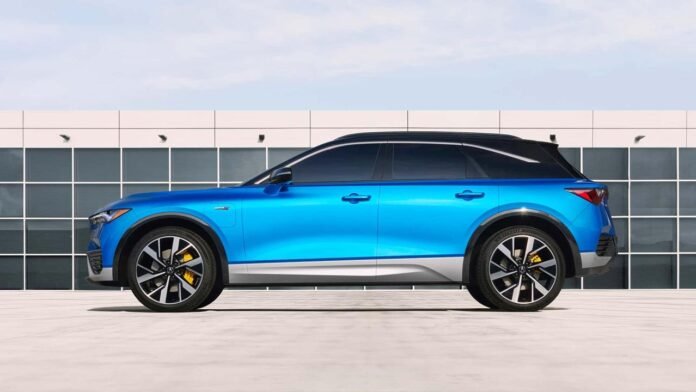

The Acura ZDX had high hopes when it was introduced as the brand’s entry into the electric vehicle (EV) market. However, after just one year of production, the ZDX has been discontinued. With only 7,300 units sold in 2024, it’s clear that the vehicle, despite its solid specifications and sleek design, couldn’t compete in a crowded EV market. What went wrong for the Acura ZDX, and why did it fail to make a lasting impact in the electric SUV space? Let’s break it down and analyze why this electric SUV didn’t succeed.
A Brief Overview of the Acura ZDX
The Acura ZDX arrived with bold expectations. It boasted a sleek and aggressive design, modern features, and a decent range of 400 kilometers per charge. Powered by either a 340-horsepower engine or a 500-horsepower Type S variant, the ZDX offered strong performance for those looking for an electric SUV with power. With a starting price around $60,000, the ZDX aimed to appeal to the growing number of drivers interested in a premium electric SUV without jumping straight to Tesla.
Despite these promising features, the ZDX failed to generate the kind of demand needed to sustain its place in Acura’s lineup. So, what caused this short-lived experiment to end so abruptly?
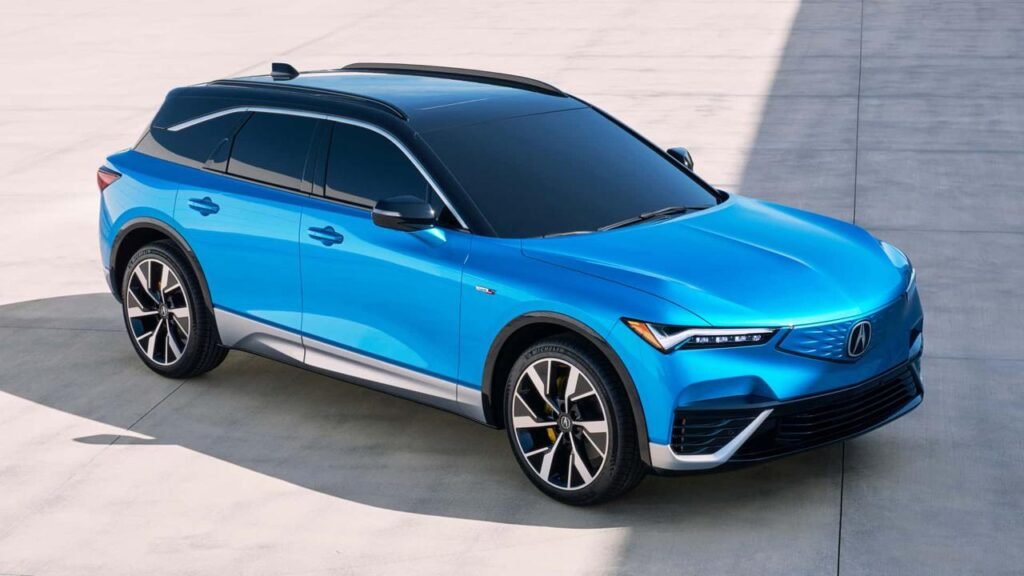
The Acura ZDX’s Lackluster Sales: What Went Wrong?
While the Acura ZDX had a number of strong features on paper, it failed to capture enough attention in the competitive electric vehicle market. Let’s explore some of the key factors that contributed to its struggle.
1. Tough Competition in the Electric SUV Market
The electric vehicle market is becoming increasingly competitive, with new models entering almost every year. By the time the ZDX was launched, established names like Tesla had already cornered a significant portion of the market. Vehicles like the Tesla Model Y and Ford Mustang Mach-E were already well-established and had a loyal customer base, making it difficult for the ZDX to find its footing.
Furthermore, newer EV startups like Rivian and Lucid Motors were making headlines with their luxury electric offerings. The ZDX, entering a crowded market with powerful competitors, didn’t stand out enough to gain a sizable share of the EV market.
2. Limited Brand Recognition in the EV Space
Acura, historically known for producing reliable and sporty gasoline-powered vehicles, had little experience in the electric vehicle market. While the brand’s reputation for building solid, performance-oriented cars helped it in traditional car sales, transitioning into the EV market required new strategies and technological prowess that Acura hadn’t yet developed.
Consumers looking for electric vehicles often gravitate toward brands that are pioneers in the space, like Tesla, which has a well-established reputation for innovation in the EV market. Acura simply couldn’t compete with these established names, especially when it came to consumer trust in the electric vehicle technology.
3. Price Point and Value Proposition
At a starting price of $60,000, the Acura ZDX was positioned in the middle of the luxury EV SUV market. However, for many potential buyers, this price tag didn’t quite match the value offered by the competition. Other brands, such as Tesla and Ford, offered similar or better performance and longer ranges at comparable or lower prices.
Buyers in this price range also expect a certain level of premium features, which is where the ZDX fell short in comparison to its competitors. Features like Tesla’s Supercharger network, which offers convenient and fast charging, added extra value that the ZDX could not match.
4. Limited Electric Vehicle Range
While the 400 km range of the ZDX was acceptable for daily use and shorter trips, it didn’t stand out in a market where some competitors were offering much longer ranges on a single charge. For example, the Tesla Model Y Long Range provides over 500 km of range, while the Ford Mustang Mach-E has versions that also exceed 400 km.
For buyers considering an electric SUV, a longer range is often a key selling point. Given the increasing importance of range in the EV segment, the ZDX’s 400 km range wasn’t enough to sway customers who could easily find a similar or better offering from a competitor.
5. Lack of Charging Infrastructure and Charging Speed
One of the significant challenges for all electric vehicles is charging infrastructure. While the ZDX supported fast charging, it didn’t have the same extensive charging network that Tesla has built through its Supercharger network. Consumers who purchased an EV are often concerned with the availability of fast and reliable charging stations, especially for longer road trips.
Without a network of fast chargers or incentives to make the charging process as seamless as possible, the ZDX struggled to match the convenience of other electric vehicles, especially those from brands that have invested heavily in their own charging infrastructure.
6. Marketing and Awareness
A lack of significant marketing support also played a role in the ZDX’s low sales. While other electric vehicles had major advertising campaigns and extensive media coverage, the ZDX didn’t get the same level of exposure. Without a clear and aggressive marketing push, potential buyers were less likely to consider the ZDX when shopping for a premium electric SUV.
In a crowded market, awareness is key, and the ZDX failed to capture the attention of a large enough audience to sustain its sales figures.
Performance and Design: What the ZDX Did Right
Despite its sales struggles, the Acura ZDX was far from a failure in terms of performance and design. Here’s a look at what the vehicle did right, even though it couldn’t compete in the marketplace.
Powerful Engine Options
The ZDX offered 340 horsepower in the standard model and 500 horsepower in the Type S version. For buyers looking for performance, this was a strong selling point. The 500-hp Type S version would have appealed to those who wanted a powerful and sporty electric SUV, capable of handling both city driving and open-road cruising with ease.
This level of power, combined with an all-wheel-drive system, meant the ZDX offered good acceleration and handling for its class, with a dynamic driving experience that would have impressed enthusiasts.

Attractive Exterior Design
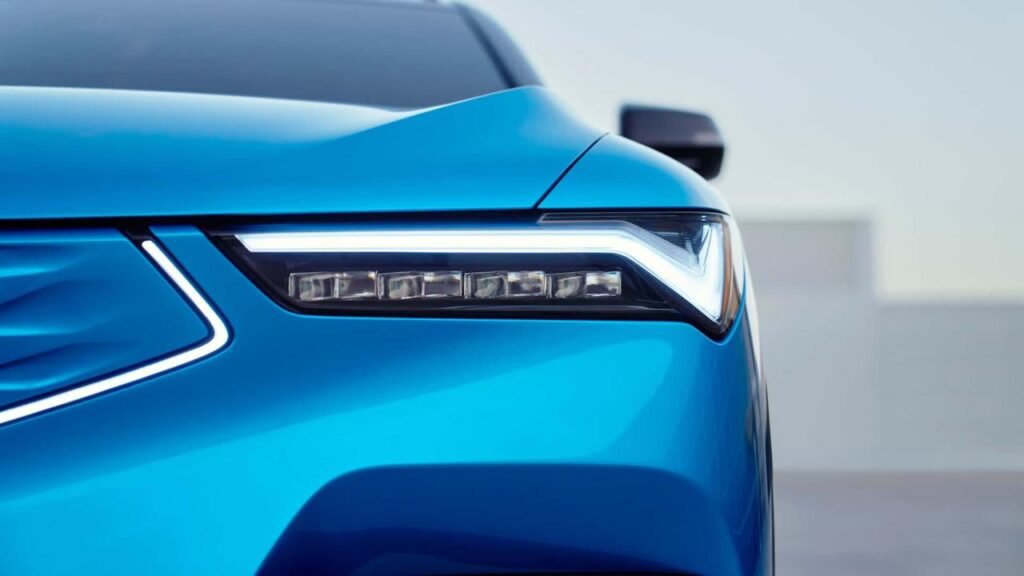
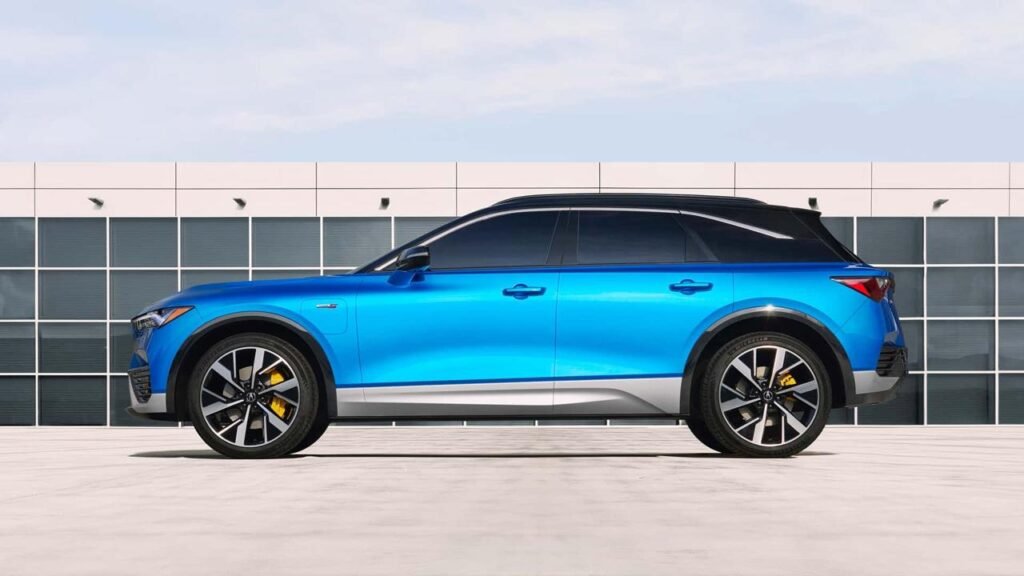
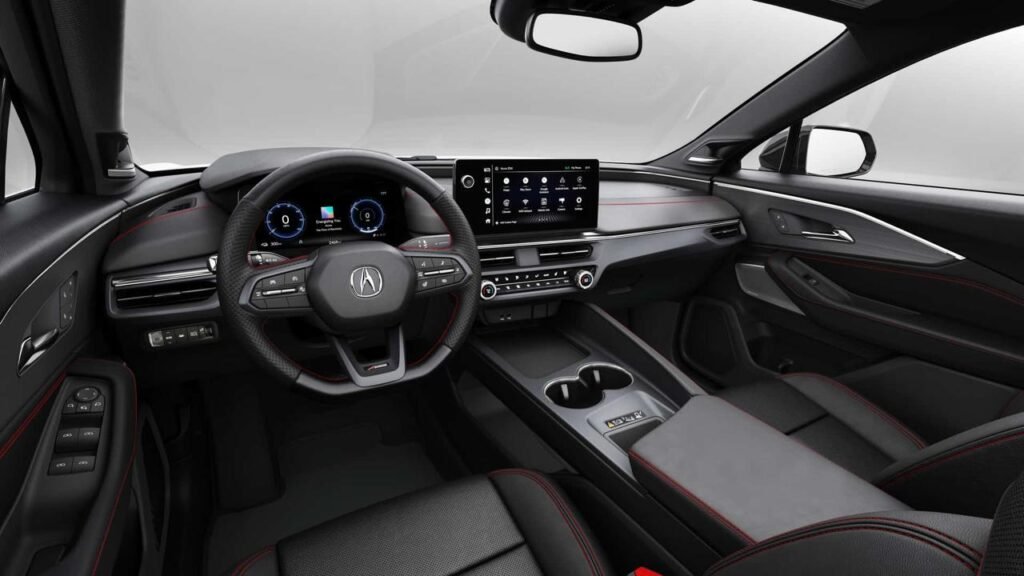
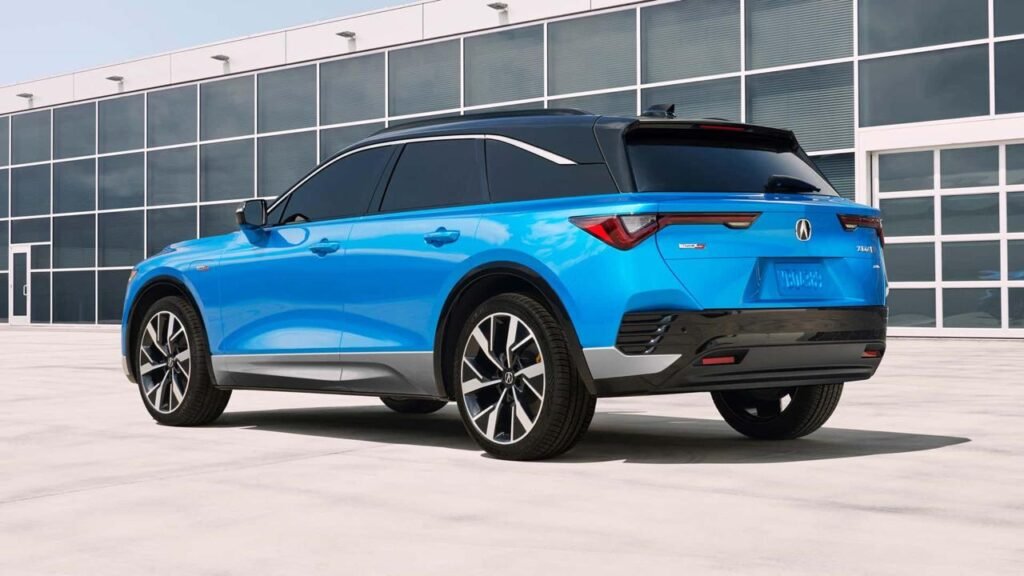
The Acura ZDX was a stylish electric SUV, with a bold and aggressive design that helped it stand out from other vehicles in its class. With sharp lines, a sleek roofline, and a distinct front grille, the ZDX had a futuristic look that fit well into the growing EV market.
Its exterior design was one of the vehicle’s strongest selling points, offering a sporty, modern aesthetic that would have appealed to customers looking for a premium electric SUV. The ZDX was definitely one of the more attractive options in the segment, and its design likely caught the eye of many potential buyers.
Decent Driving Range
While not class-leading, the 400 km range on the ZDX was sufficient for many drivers who primarily used their vehicle for daily commuting or shorter trips. For city dwellers, this would have been enough to cover most daily driving needs without requiring a recharge every day.
Given the growing adoption of electric vehicles, the 400 km range could have been a solid middle ground for those who were not yet ready to fully embrace long-range EVs but still wanted a modern electric SUV.
What Can We Learn from the ZDX?
The end of the Acura ZDX after just one year of production may be seen as a failed experiment, but it also offers valuable insights into the challenges automakers face when entering the competitive EV market. Several key takeaways can be gleaned from the ZDX’s short-lived journey:
- Timing and Competition Matter: The EV market is not only about having a solid product but also about entering the market at the right time and competing against the right set of brands. Timing matters, and entering an already saturated market requires differentiation.
- Brand Expertise in EV Technology: Consumers gravitate toward brands with established credibility in the electric vehicle space. Acura, lacking a significant EV pedigree, struggled to gain the trust of potential buyers.
- Price and Value Proposition: Consumers are increasingly discerning about the price-to-performance ratio, and the ZDX didn’t offer enough to justify its price compared to competitors like Tesla and Ford.
- Charging Infrastructure: Access to a fast and reliable charging network is crucial in the EV market. Automakers entering this space need to prioritize not just the car itself but also the ecosystem that supports it.
Conclusion: The ZDX’s Legacy and Acura’s EV Future
The Acura ZDX may have come and gone quickly, but it provided valuable lessons about the challenges of breaking into the electric vehicle market. Despite offering impressive power, range, and design, it couldn’t overcome the competition and consumer expectations for brand reputation and charging infrastructure.
For Acura, the ZDX was an experiment in the EV market, one that didn’t quite succeed. However, this experience will likely influence the brand’s future strategy as it continues to explore the electric vehicle space. While the ZDX didn’t succeed, Acura will certainly apply the insights learned from this experience to future models as they aim to carve out a niche in the electric vehicle market.